
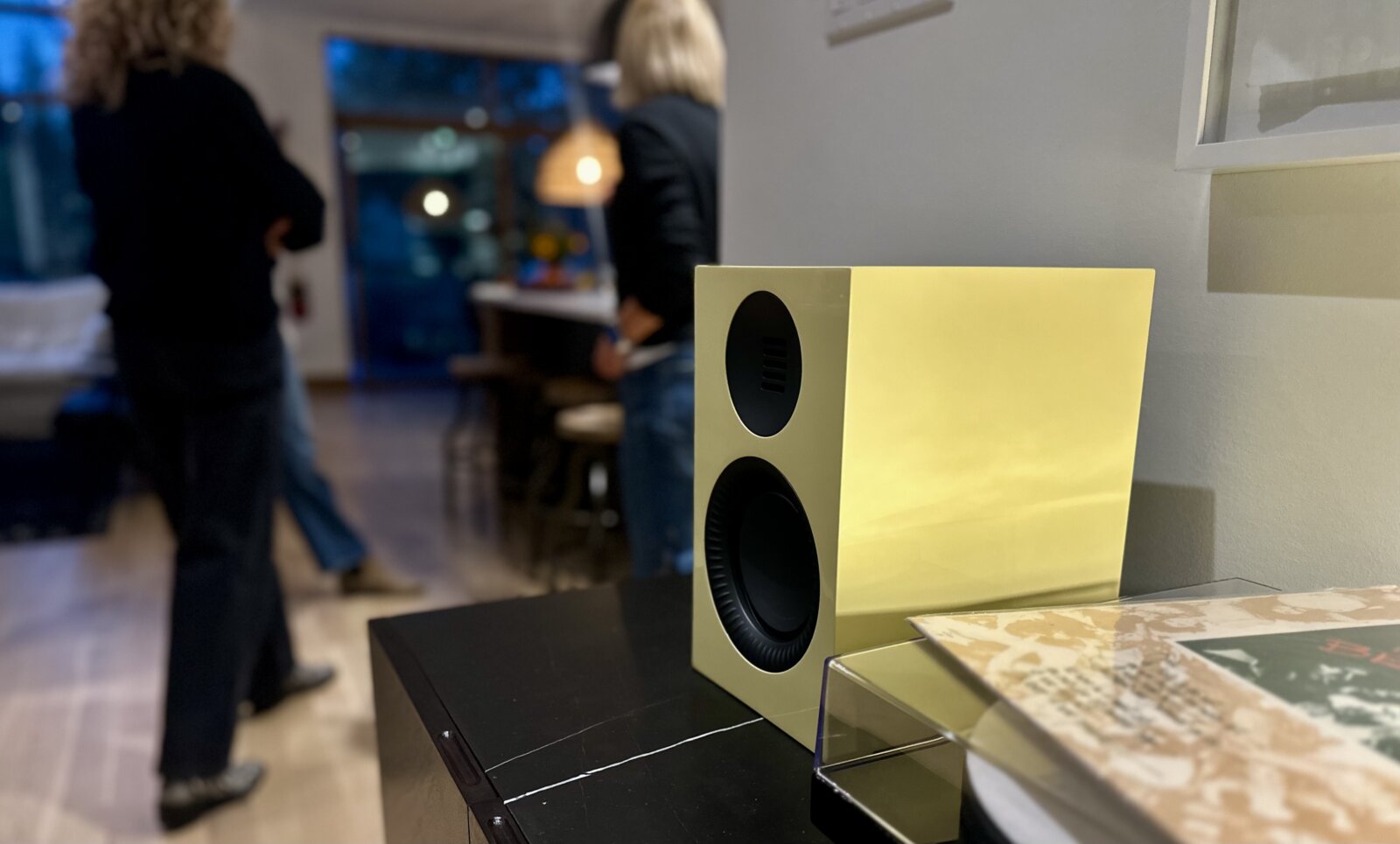
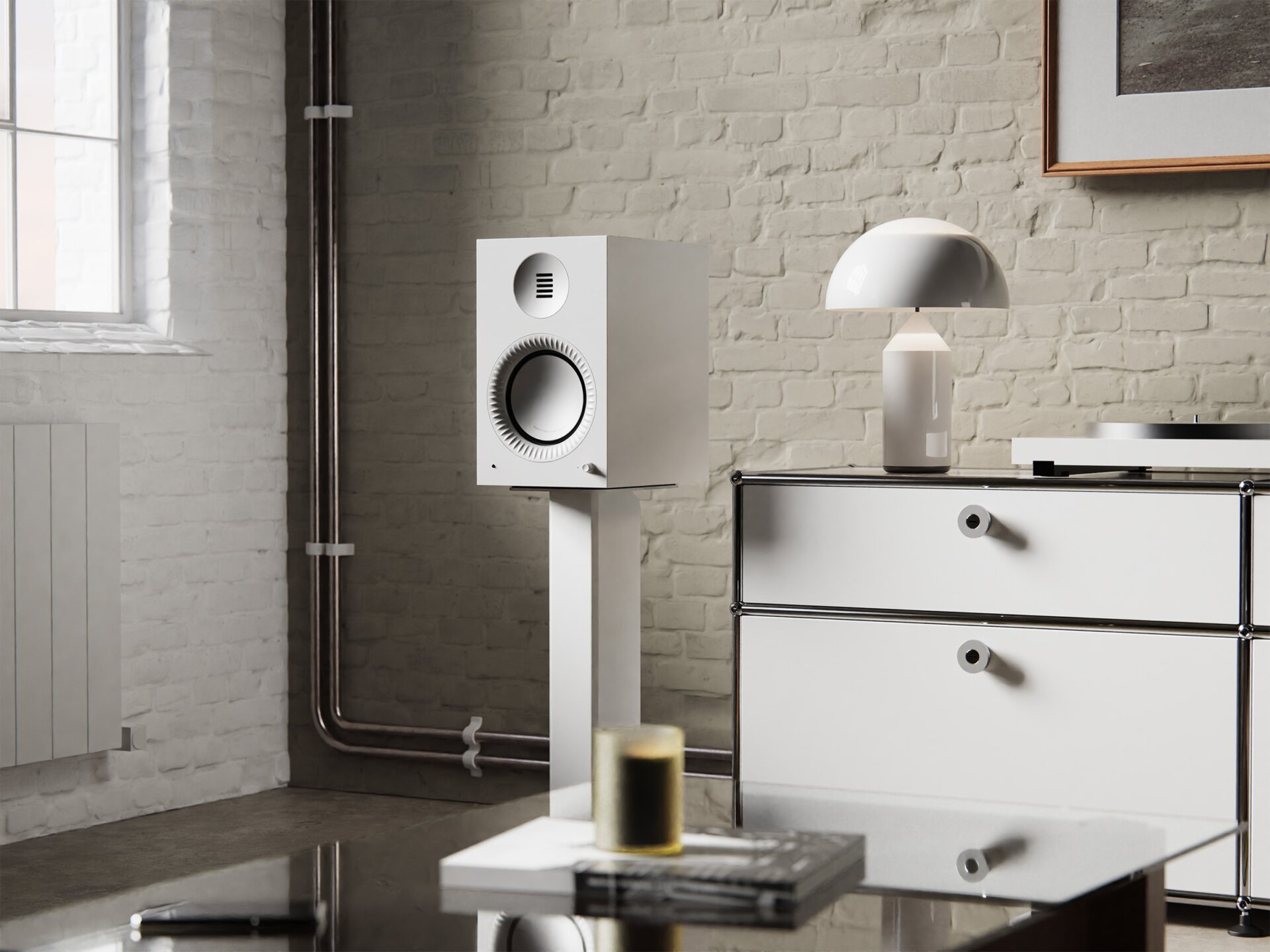
The Kanto TUK Grand is a convincing step forward for a brand long associated with accessible powered speakers. The larger flagship in Kanto’s second-generation TUK range, introduced alongside the smaller TUK G2, combines a stylish new cabinet with a redesigned tweeter system and a more elegant sound. The TUK Grand show how far Kanto has progressed from budget-friendly audio towards something mature and sophisticated.
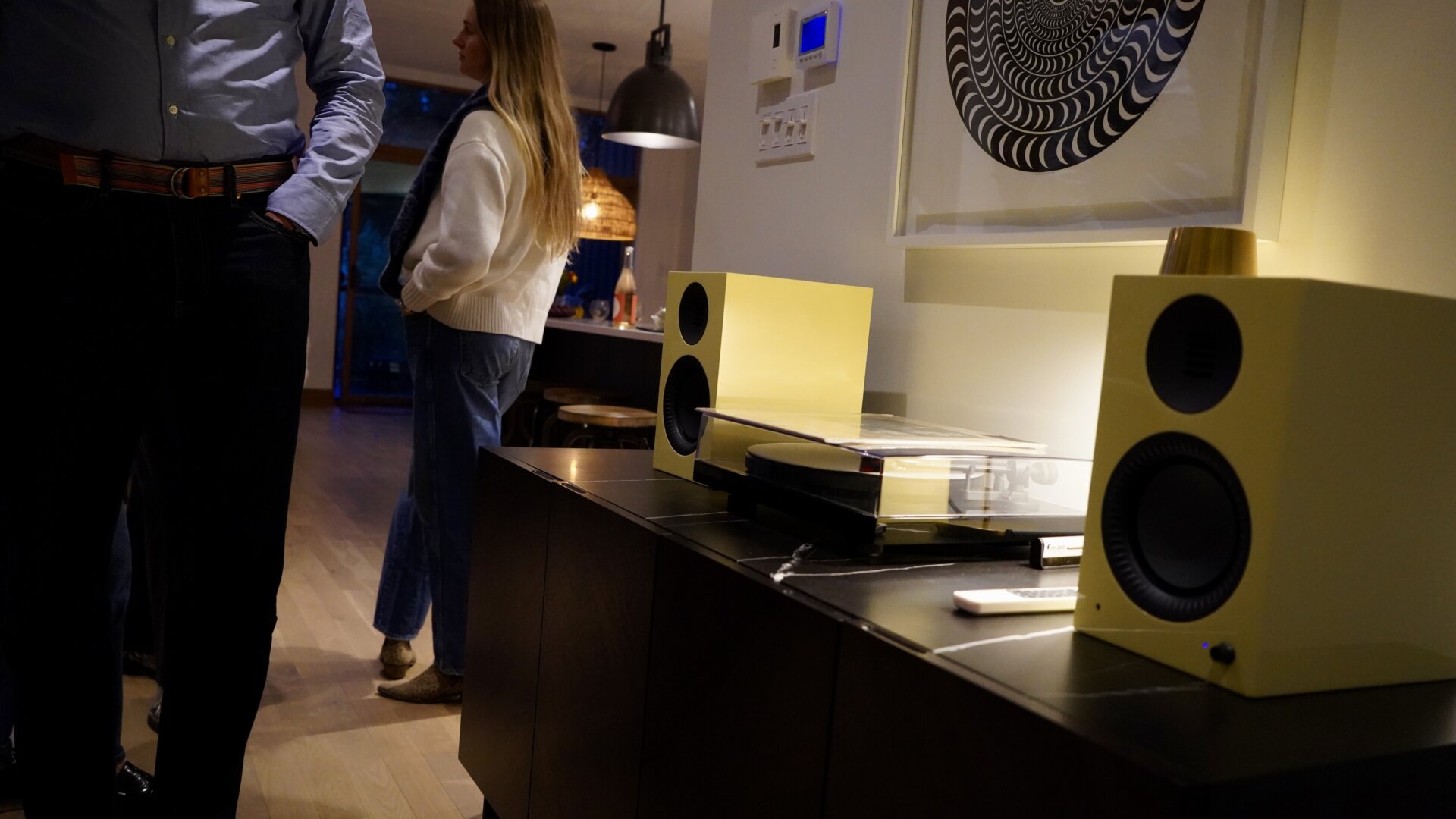
The original TUK, launched in 2019, paired an Air Motion Transformer (AMT) tweeter with a 5.25-inch aluminum woofer and built-in Class-D amplification with digital signal processing (DSP). The TUK G2 builds on that foundation with a redesigned AMT, a larger 6-inch Aircomb aluminum woofer and a cabinet with increased internal volume.
For me, the most significant upgrade is the redesigned AMT tweeter and its surrounding waveguide. Together with revised tuning, they address the original TUK’s occasionally sharp treble without sacrificing the detail that made it appealing.
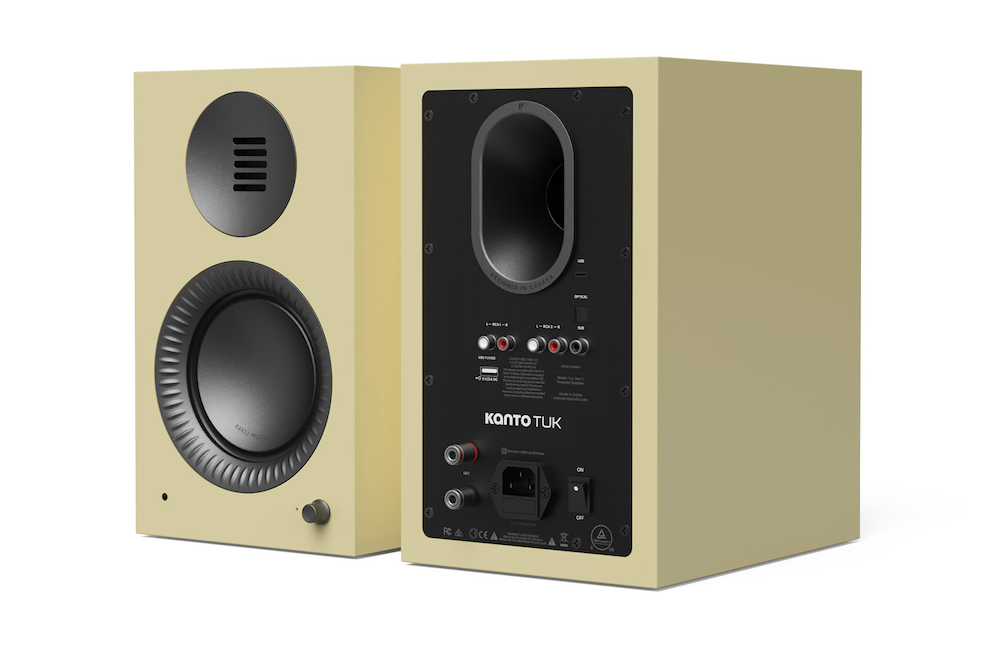
The TUK G2 retains the original’s 28 × 35 mm AMT dimensions and operates as a lightweight, pleated diaphragm squeezing air between its folds rather than moving like a conventional dome tweeter. Kanto says the redesigned AMT delivers smoother, more natural highs with greater detail, while the refined waveguide (the shaped surface around the tweeter) helps control how those frequencies spread into the room.
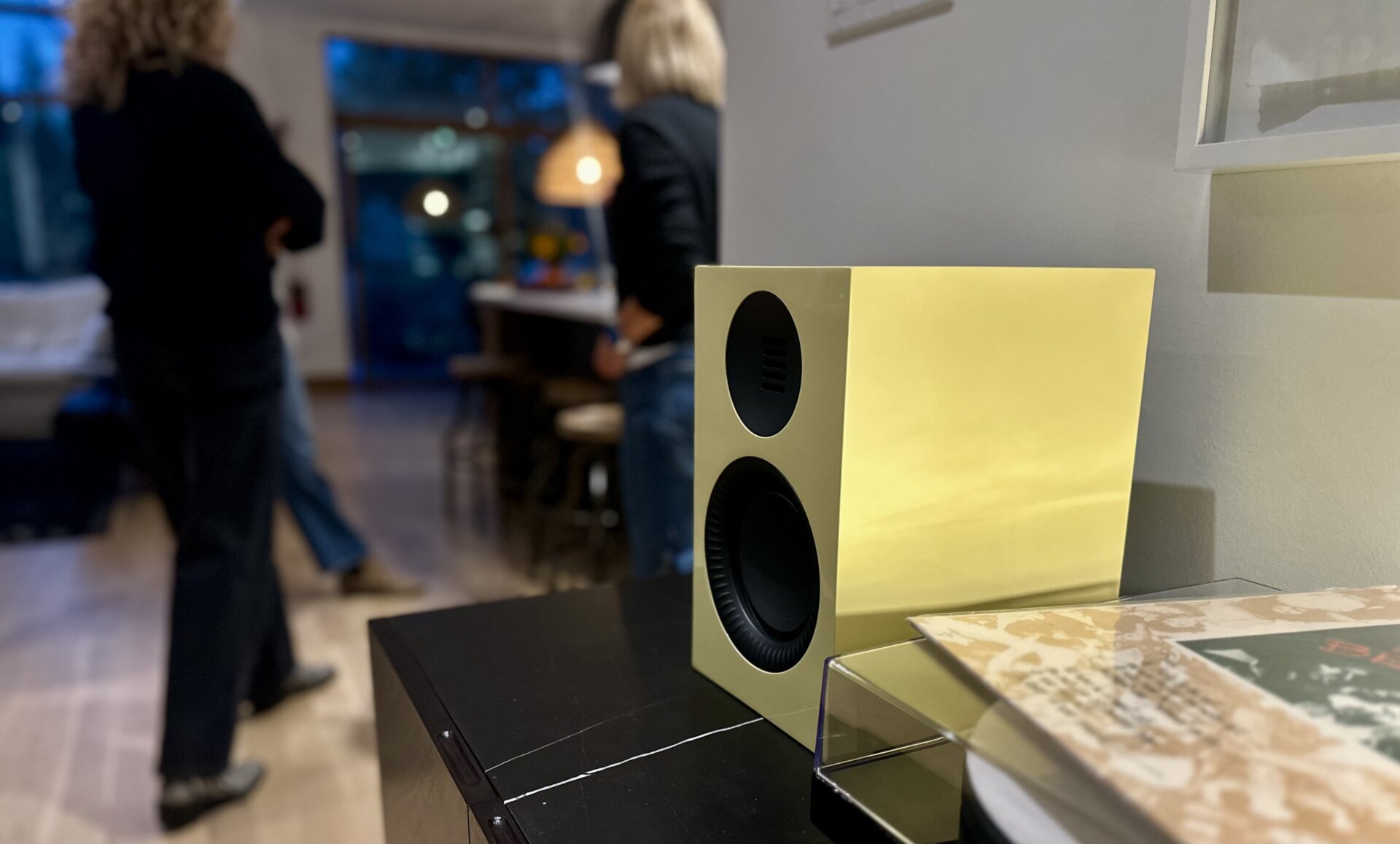
The important tweeter change is not simply greater treble extension, but a more balanced presentation. Kanto describes wider dispersion and improved consistency across listening positions, with revised DSP and crossover tuning helping the AMT integrate with the 6-inch woofer. In our comparison with the original TUK, the G2 sounded more neutral and natural, with less emphasis on the high frequencies that were somewhat shrill after extended listening. We experienced no listening fatigue during testing with the TUK G2 making this a meaningful acoustic upgrade, not just a cosmetic refresh.
The cabinet is a major visual improvement with its sharper lines and more considered proportions giving the TUK Grand a sophisticated presence that reflects Kanto’s evolution. Inside, total RMS amplification rises from the original TUK’s 130 watts to 160 watts, while the specified low-frequency limit drops from 50 Hz to 40 Hz. The smaller TUK G2, retains a 5.25-inch woofer, 130 watts total RMS and a specified 50 Hz low-frequency limit. The Grand brings a larger acoustic platform as well as revised tuning.
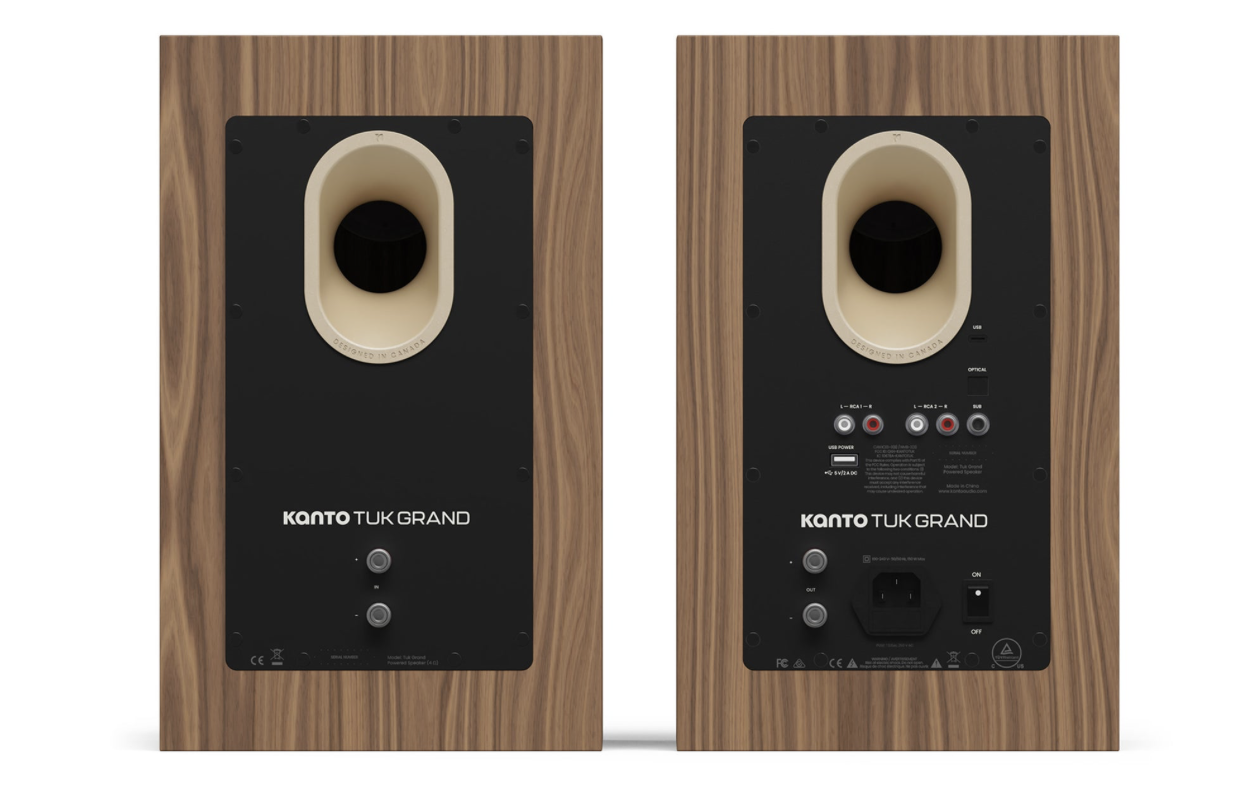
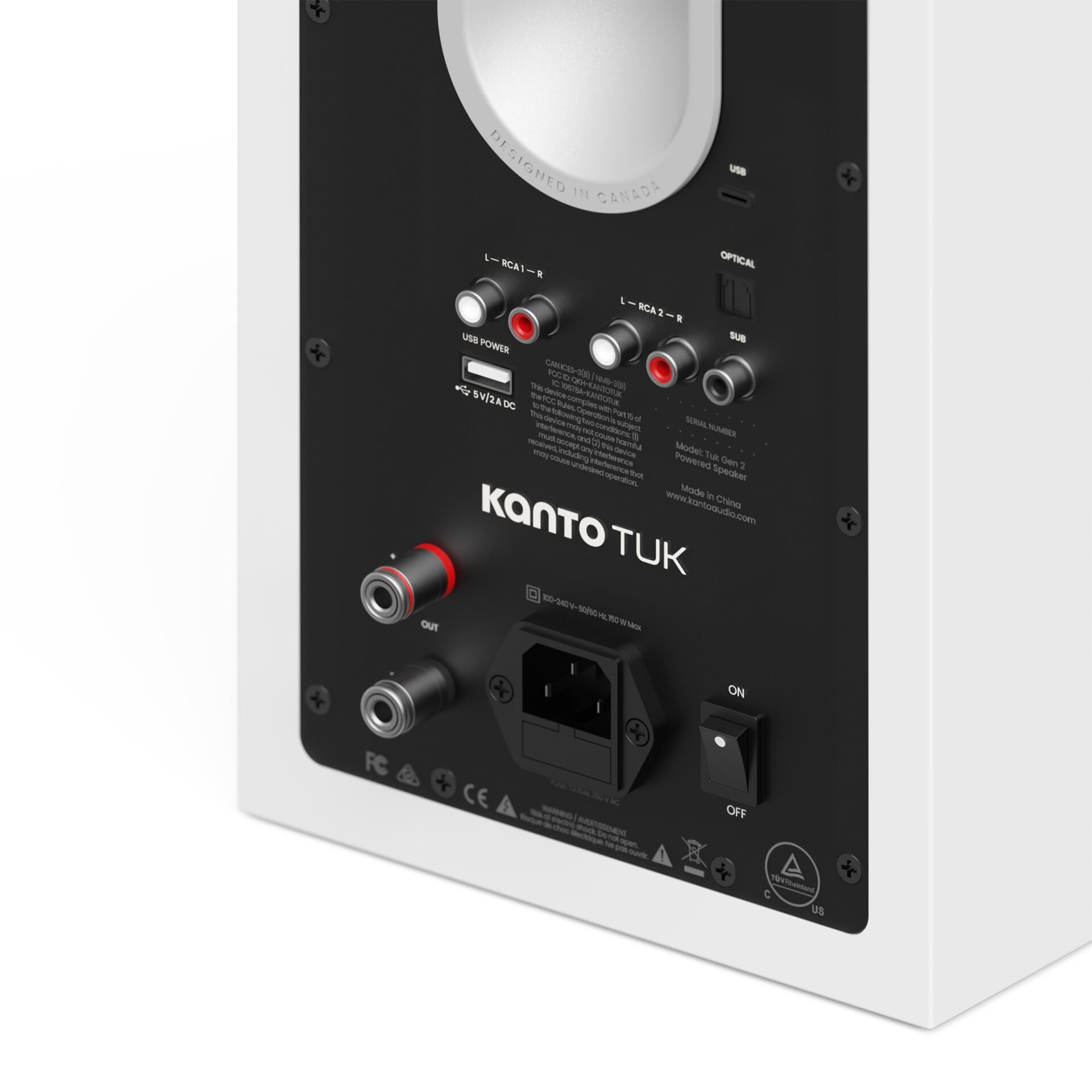
Connectivity has also been updated, although two familiar conveniences are gone. USB-C replaces USB-B for computer audio, and Bluetooth advances from version 4.2 with aptX HD to version 5.4 with aptX Adaptive; codec availability depends on the source device. Optical joins two sets of RCA line-level inputs, a subwoofer output and a selectable 80 Hz high-pass/low-pass crossover for subwoofer integration. Unlike the original TUK, neither the Grand nor the TUK G2 includes a built-in phono preamp or headphone output.
I initially found the loss of the phono stage surprising. Kanto has championed powered speakers as an approachable, all-in-one introduction to better audio where a turntable is an important add-on. However, the Grand nor G2 is not an entry-level model, and its second line-level input gives vinyl listeners the freedom to choose an external phono preamp, or use one built into their turntable. I would have welcomed a headphone output, but I cannot recall using one on previous Kanto models. These omissions will matter to some buyers, though they do not diminish my enthusiasm for the speakers. One advancement that I look forward to on a future generation will be the removal of a speaker wire attachment between the powered and passive speaker. Kanto now has the brand credibility to warrant wireless transmission between two powered speakers even if that means a rise in cost.
Even the redesigned remote feels more in keeping with the speakers. Earlier plastic remotes struck me as off-the-shelf afterthoughts while this one feels worthy of the system and is something I would happily leave on the coffee table.
The TUK redesign is a stylish, contemporary powered stereo system with built-in amplification and a useful mix of analogue and digital connections. It does not retain every convenience of the original, but its more refined sound and presentation make the TUK G2 a compelling evolution of the concept.
Whenever I speak with the Kanto team, they describe the brand as an “audio first” company, not a computer company. Over more than a decade, we have watched Kanto grow from near-field powered speakers into an accessible route to better home audio. The TUK G2 takes that progression further. It still offers the simplicity that made Kanto attractive in the first place, but its sound and design now have clear appeal beyond first-time buyers.
The TUK G2 sounds sophisticated, looks expensive and makes a persuasive case for Kanto as a serious hi-fi contender. The second generation TUK is the brand’s coming-out party and hints that Kanto is moving in a hi-end direction.
Kanto is distributed by Evolution Home Corp. The TUK Grand are available in Matte Black, Matte White, Matte Walnut. The TUK G2 are available in Matte Burl, Gloss Butter, Black, White and Walnut. The TUK Grand start at $1199.00 and the TUK G2 $1099.00 CDN