
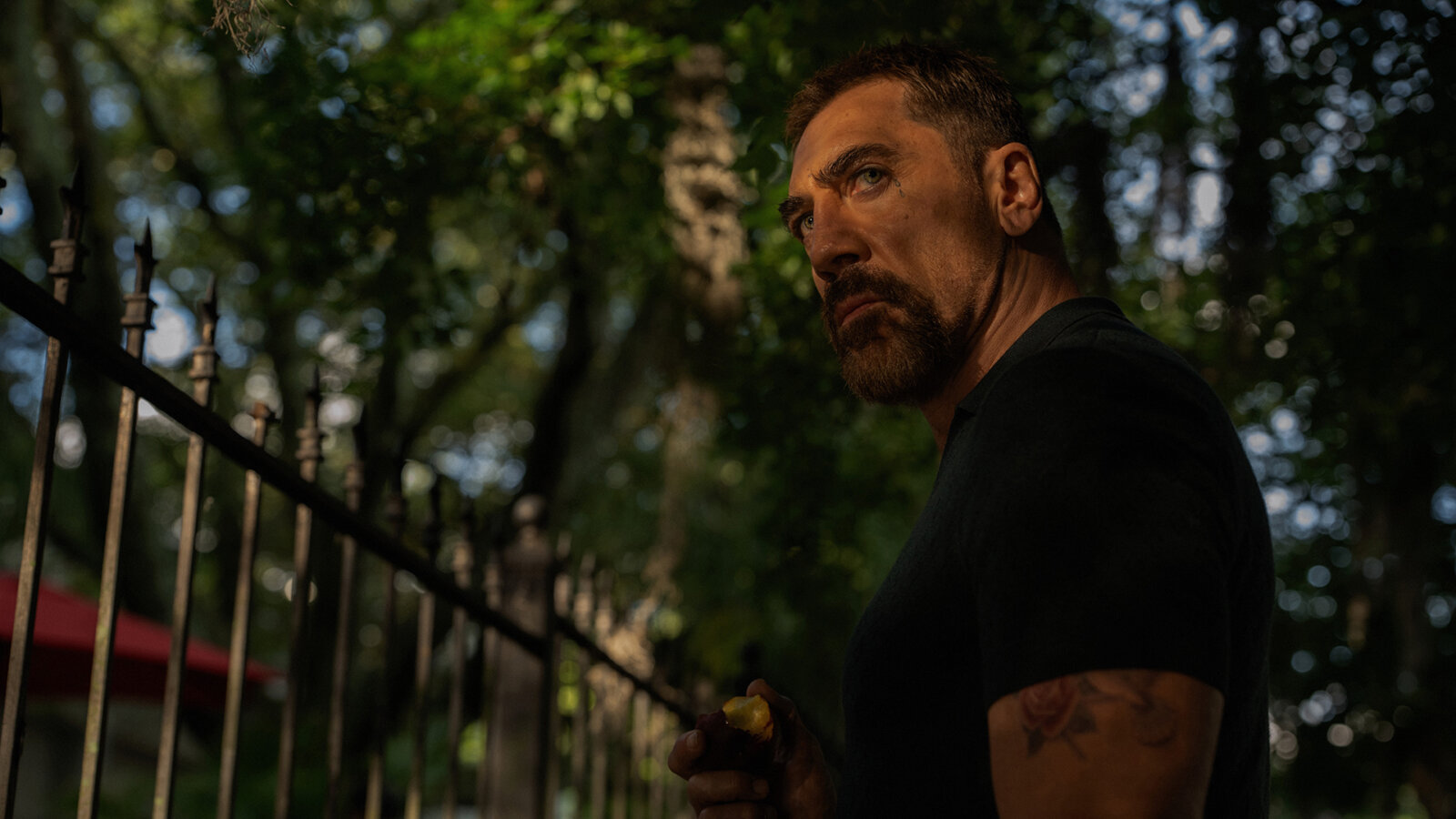
I swear I watched the movie Cape Fear years ago, long after it originally came out in 1991, but still decades ago. After watching the new Apple TV series based on this movie (which was a remake of the 1962 film, all three based on the John D. MacDonald novel The Executioners), I decided to re-watch the ’90s version. The story is about ex-convict and vicious rapist Max Cady (Robert De Niro) who finishes his sentence and goes on the warpath to terrorize Sam Bowden (Nick Nolte), the public defender he learned purposely left out evidence that could have lessened his sentence. Jessica Lange plays Sam’s wife Leigh and Juliette Lewis their daughter Danielle.
The series, created by Nick Antosca and executive produced by Martin Scorsese (who also directed the 1991 movie) and Stephen Spielberg, draws heavily from the 1991 film. Antosca reveals that in recognizing the story isn’t so much about a terrifying villain as it is about a family being effortlessly and devastatingly torn apart, it inspired him to reimagine the tale. That he did, and the result is a compelling modern-day take with a fabulous cast led by Javier Bardem, Amy Adams, and Patrick Wilson. Cape Fear proves this was a story worth retelling in episodic format, allowing for a deeper, darker, more psychologically twisted tale.
Note: This review is based on episodes 1-8 of Cape Fear.
Psychological Manipulation and Paranoia at its Finest
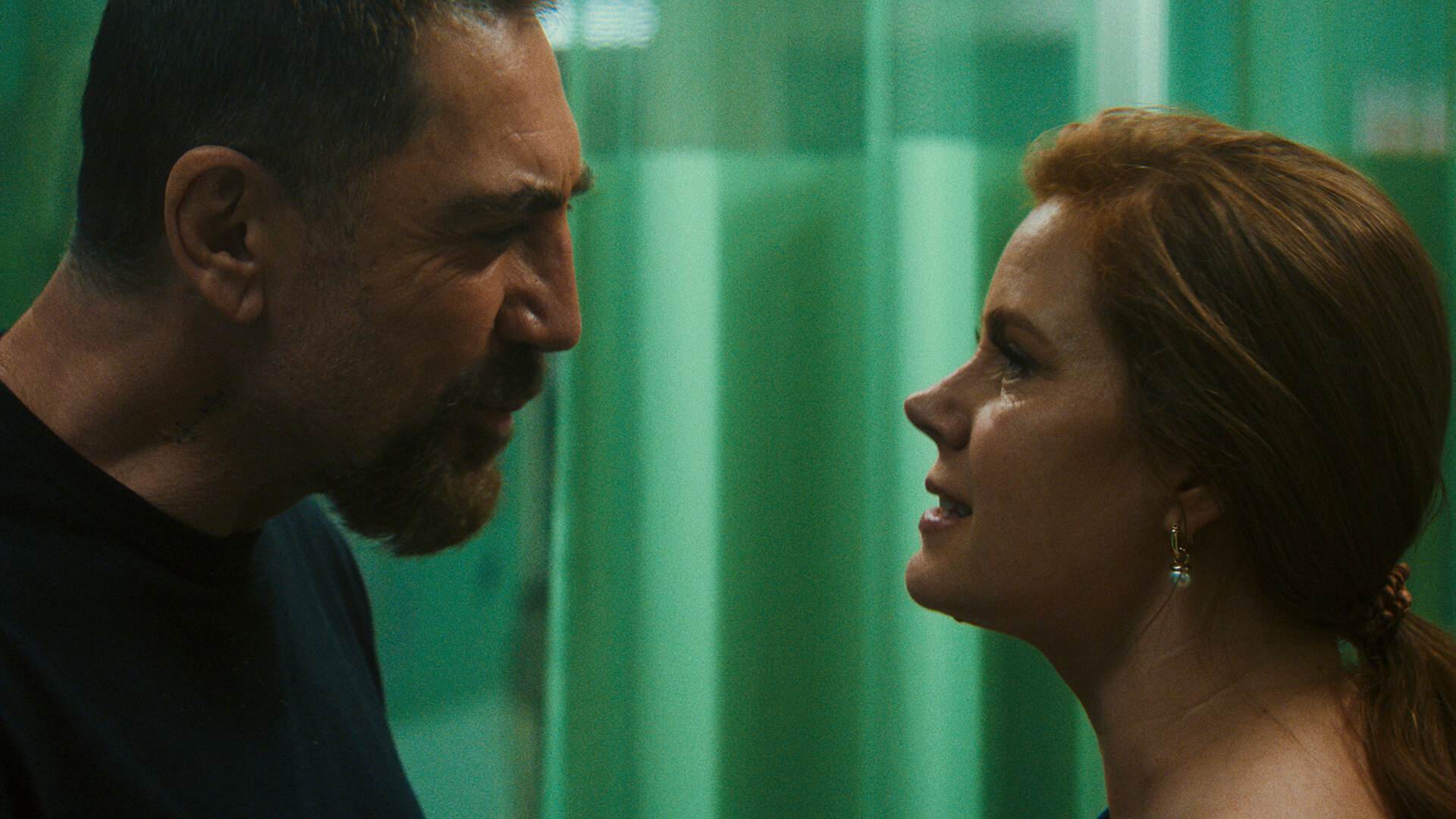
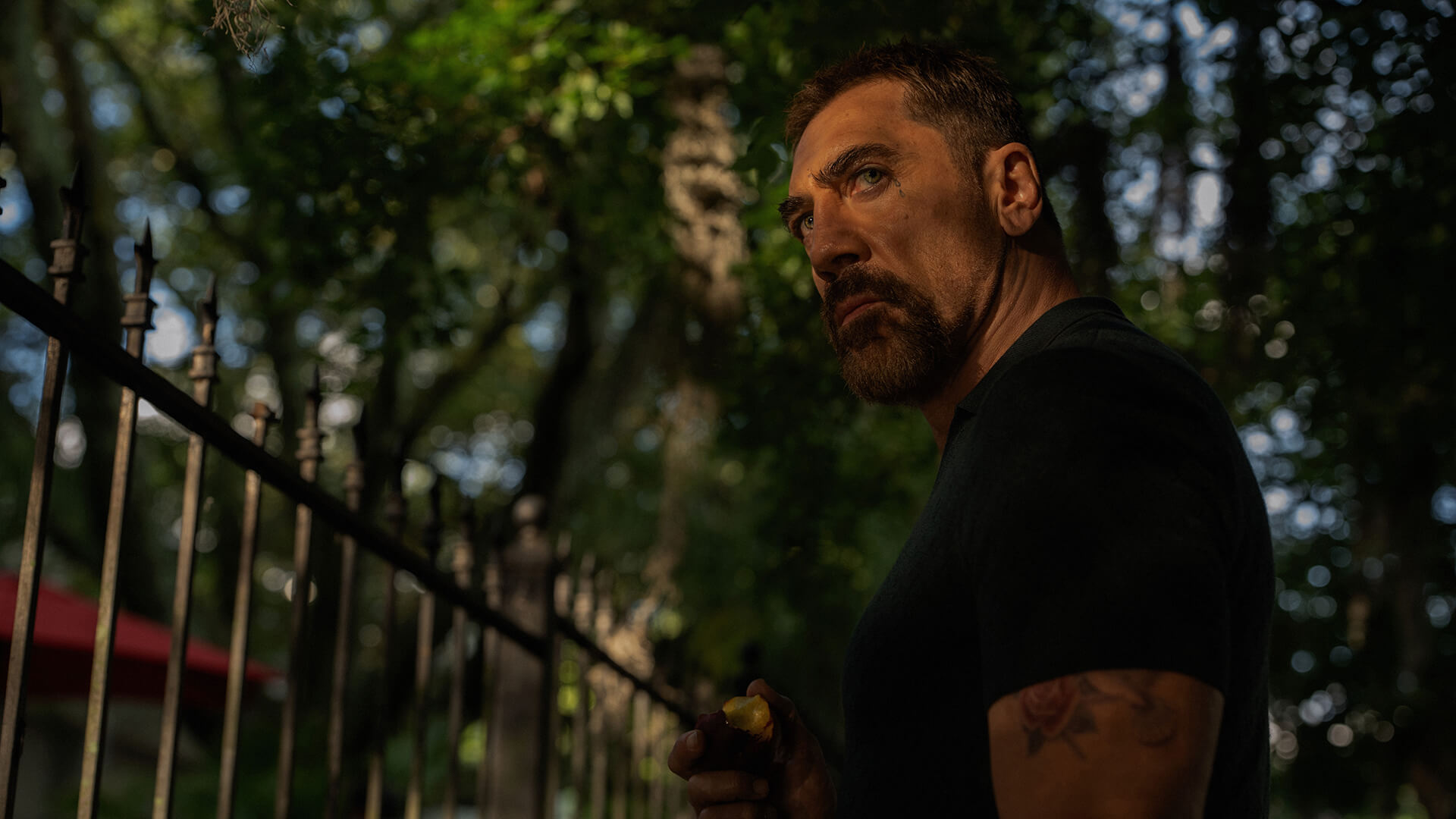
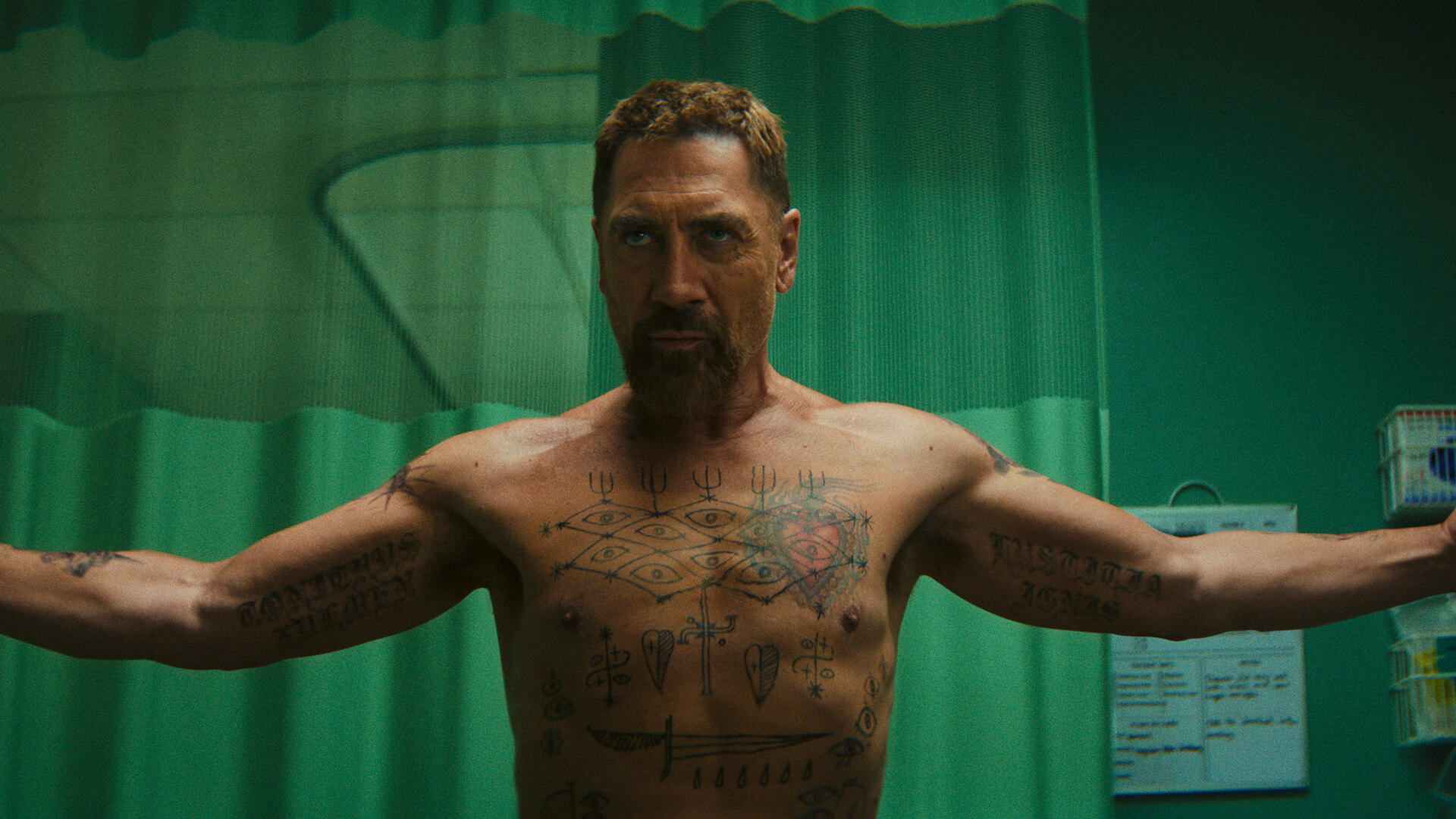
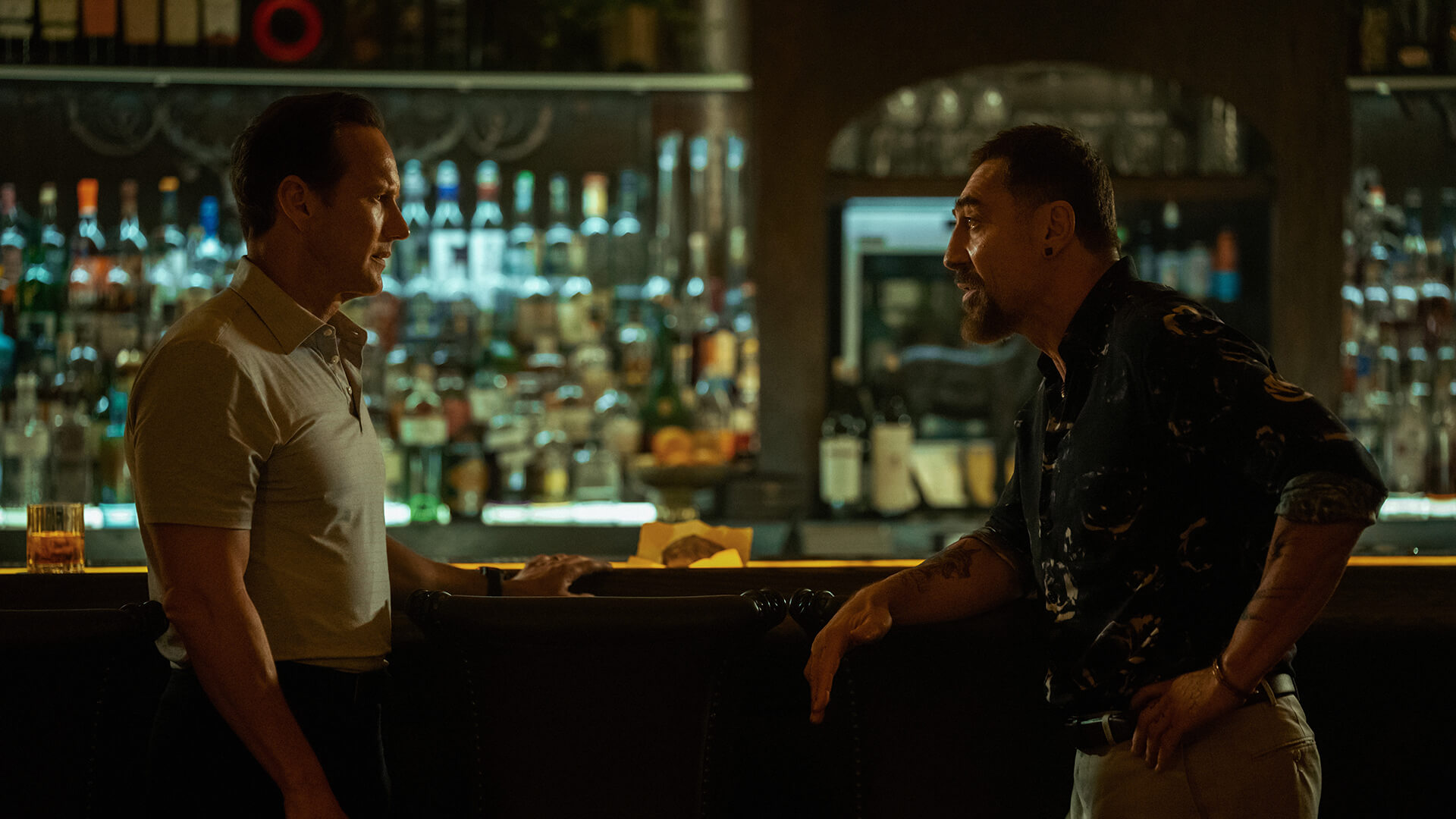
It’s no easy feat to reimagine a role that De Niro absolutely nailed. But Bardem takes on the tall task of portraying Max Cady, and he does the iconic actor proud. Bardem’s version of Max isn’t as outwardly deranged. He has a more charming, menacing persona without giving into the unstable version of the character as much as De Niro does throughout. This is because the format allows for a different type of storytelling, dropping terrifying breadcrumbs across 10 episodes versus a rushed two-hour film. The result is better character development for Max and others, and a story that takes shape more slowly, building suspense from one episode to the next.
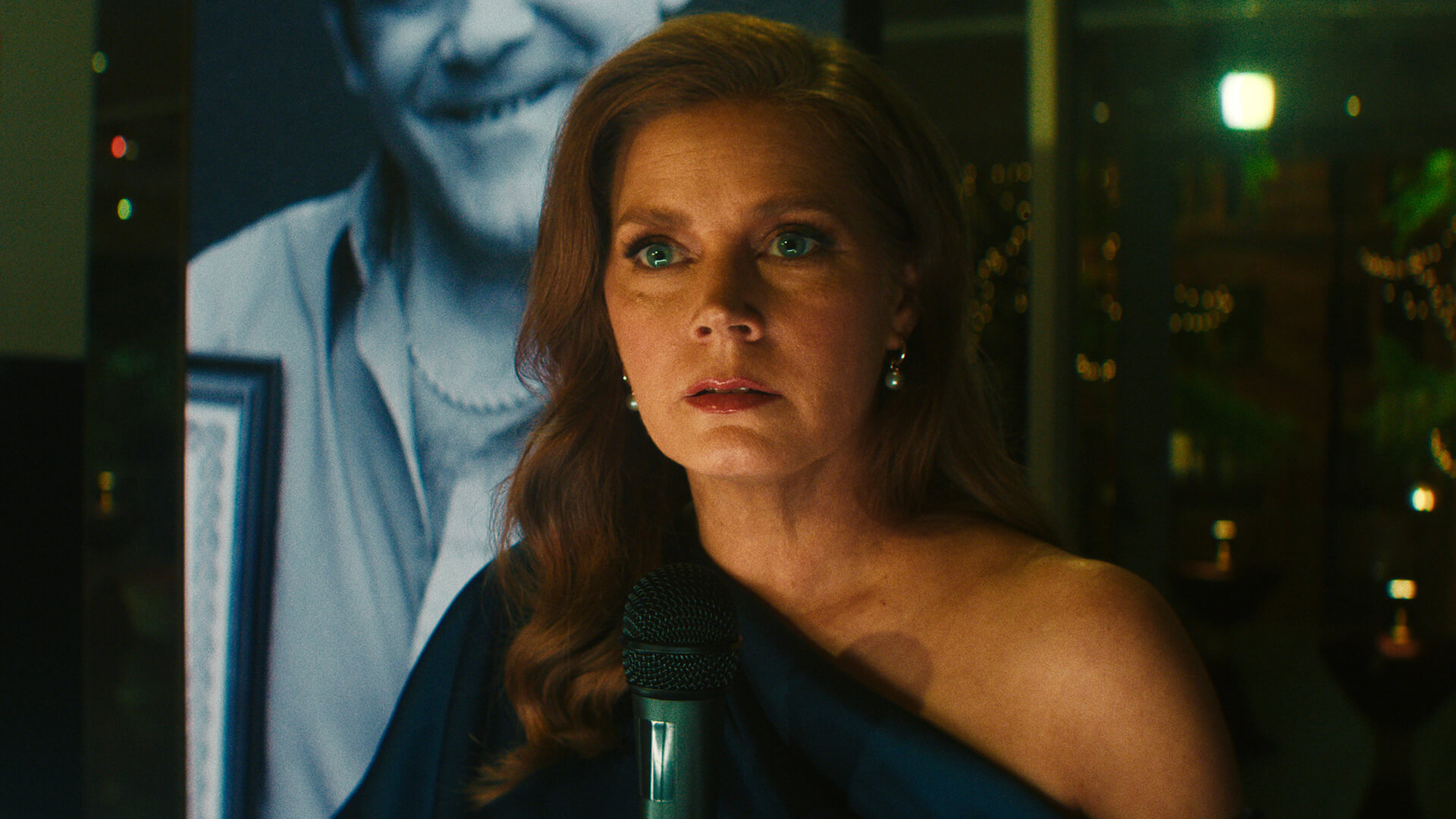
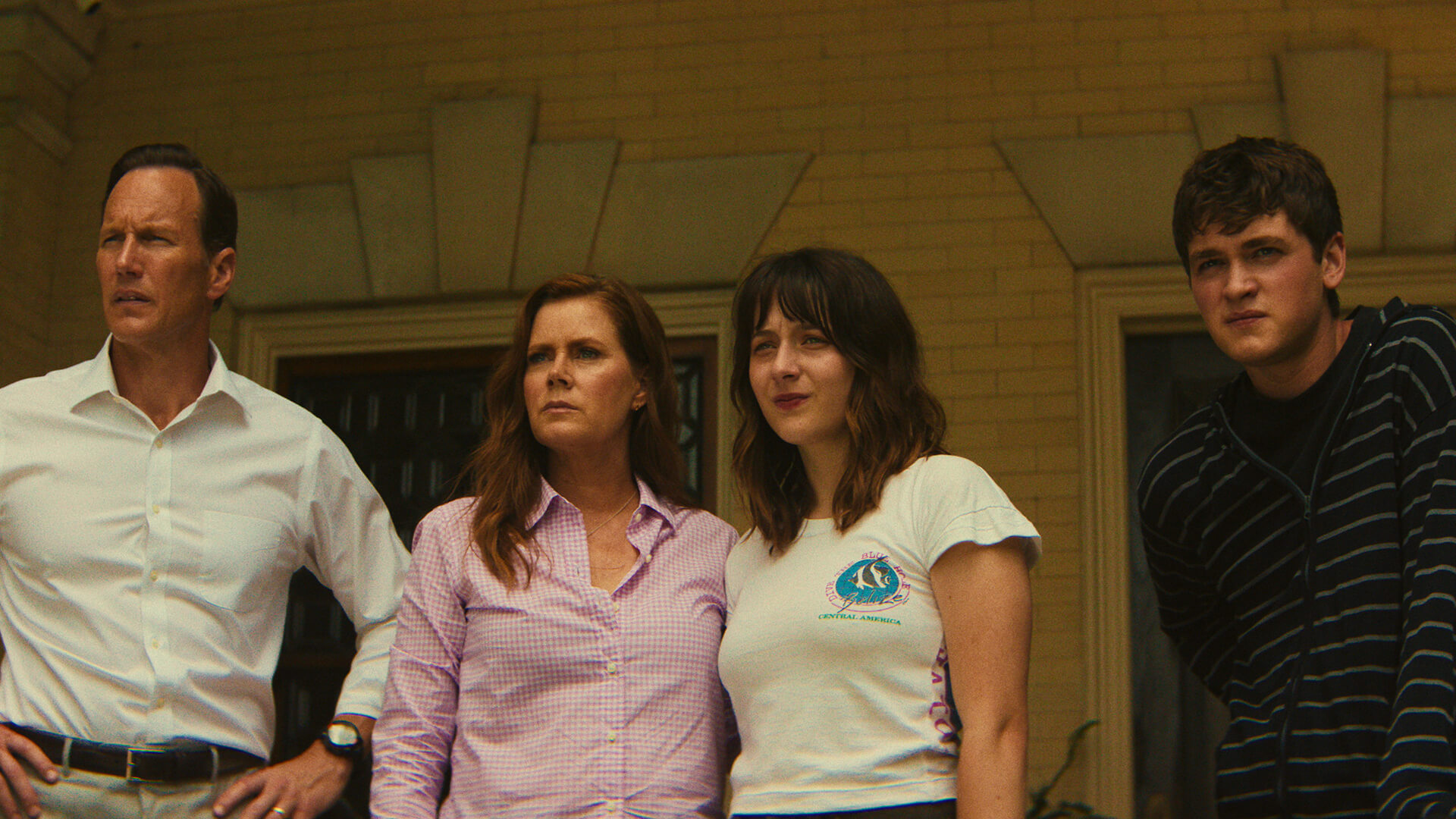
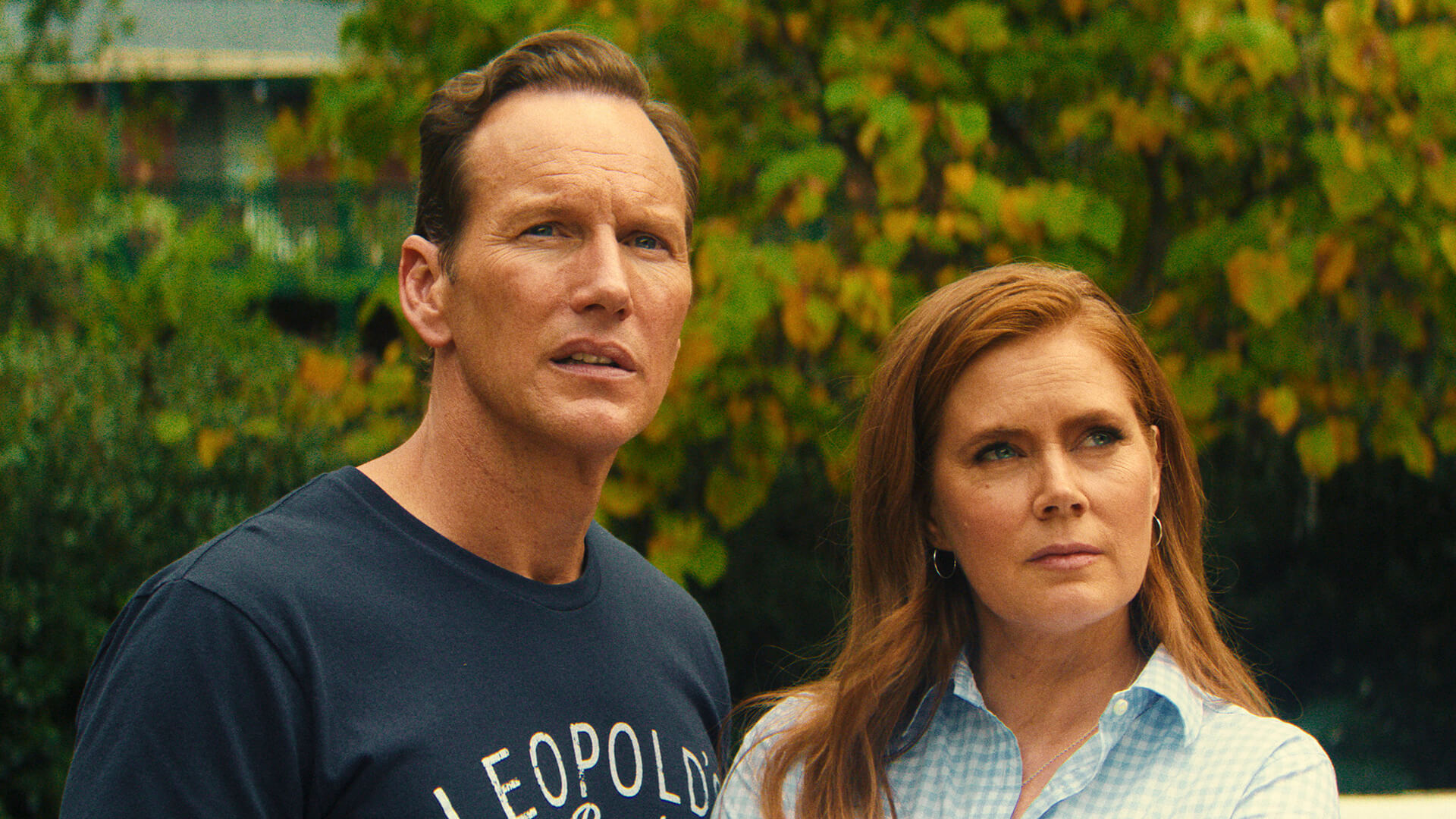
Antosca’s desire to focus on the family dynamic and how a seemingly picture-perfect nuclear family is taken apart at the seams, the threads pulled slowly and deliberately, results in a more methodical plot. Amy Adams and Patrick Wilson are wonderful as Anna and Tom Bowden, both attorneys involved in Max’s case in this iteration, giving him double the reason for revenge. Lily Collias plays daughter Natalie, the role Juliette Lewis nailed in the 1991 movie as Danielle, and Joe Anders (son of Kate Winslet and Sam Mendes) as a new character, their troubled son Zack.
Bardem is so intense in the role, his bright blue eyes (contacts, of course) urging you to believe that he really is just a misunderstood, likable and charming guy. Sure, he’ll probably slit your throat if you cross him, but he’ll pour you a glass of wine and make you dinner first. He had years in prison to come up with a plan, and while it’s clear he’s looking to punish those he feels wrongfully put him in jail, you also can’t help but wonder at times if the Bowdens’ paranoia is fueled by their own guilt; maybe even if Max is innocent of the charges that got him locked up in the first place.
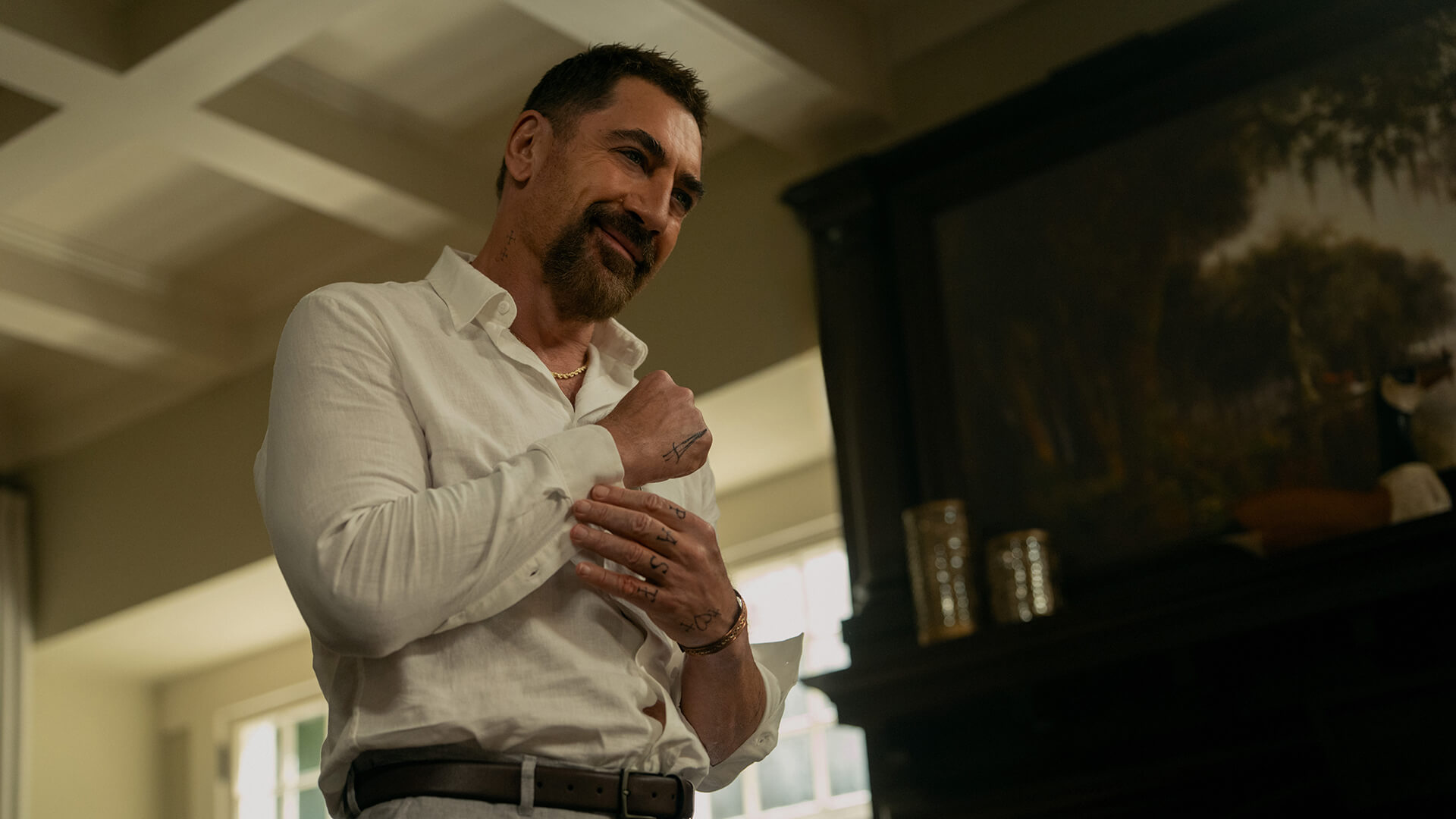
Bardem is no stranger to playing terrifying characters, winning an Academy Award for his role as an unhinged hitman in No Country for Old Men. Max is of a similar vein to Anton Chigurh, except he’s methodical, precise, likable while being feared. He’s a master of manipulation and gaslighting, masked behind a magnetic façade that draws people to him.
Hitchcock, Scorsese, and Spielberg in One
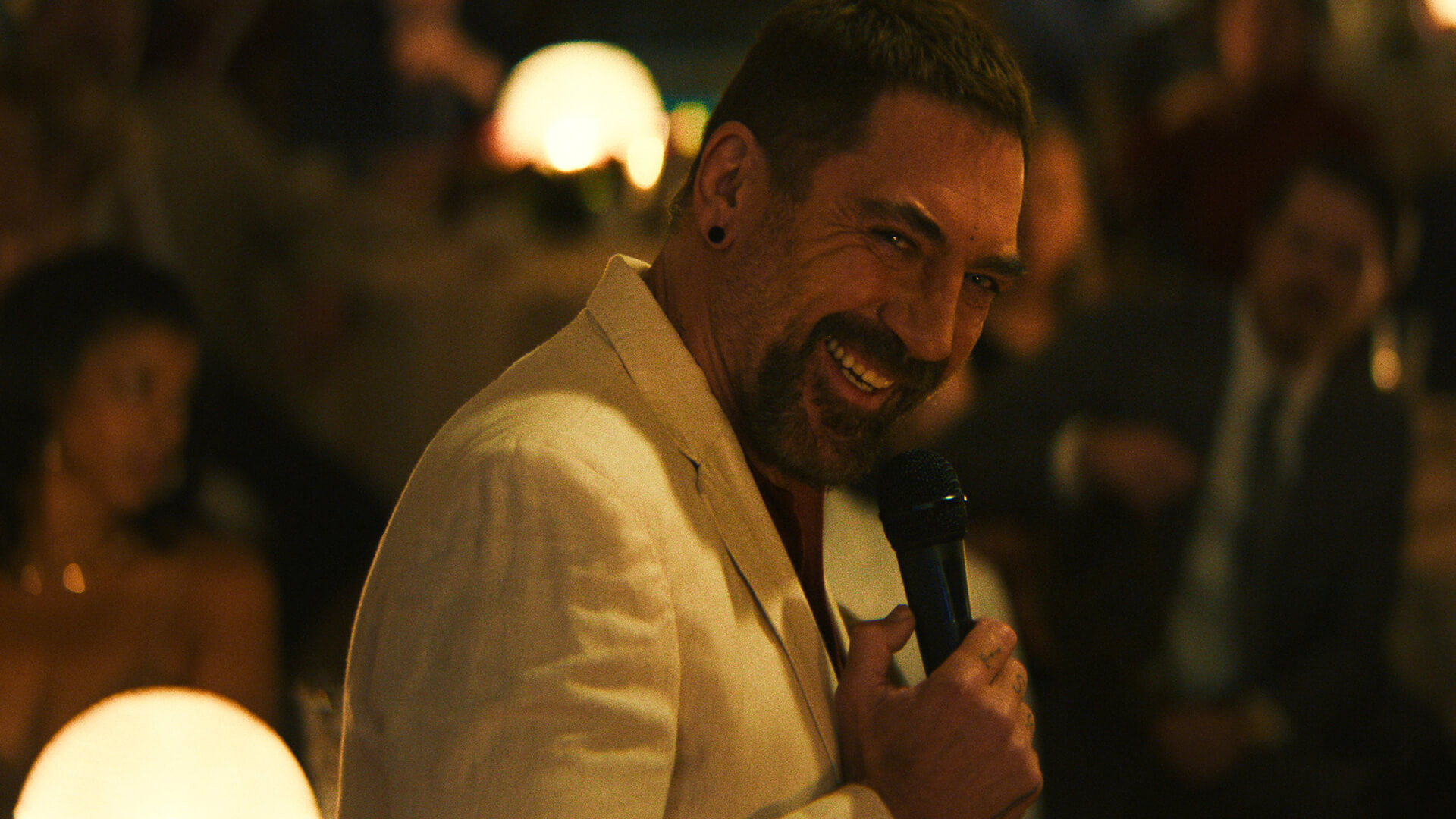
Stylistically, Cape Fear is like watching a neo noir film from the ’90s, and it draws heavily from the 1991 movie. Along with the identical musical score throughout that ties this show to the 1991 film, Alfred Hitchcock’s influence with odd camera angles and shooting techniques is carried over, too.
Other stylistic elements from the ’90s, and more specifically from the works of Scorsese and Spielberg, include the film negative view suggesting a moment of psychological torment, lingering facial close-ups, sinister smiles, and the use of suspenseful music to build intensity. It’s evident that Antosca was not only inspired heavily by the 1991 movie but of the style of its director and other iconic ones from that time (and before and beyond). The fact that Scorsese and Spielberg backed his project is a testament to their approval of its homage to their work of that decade.
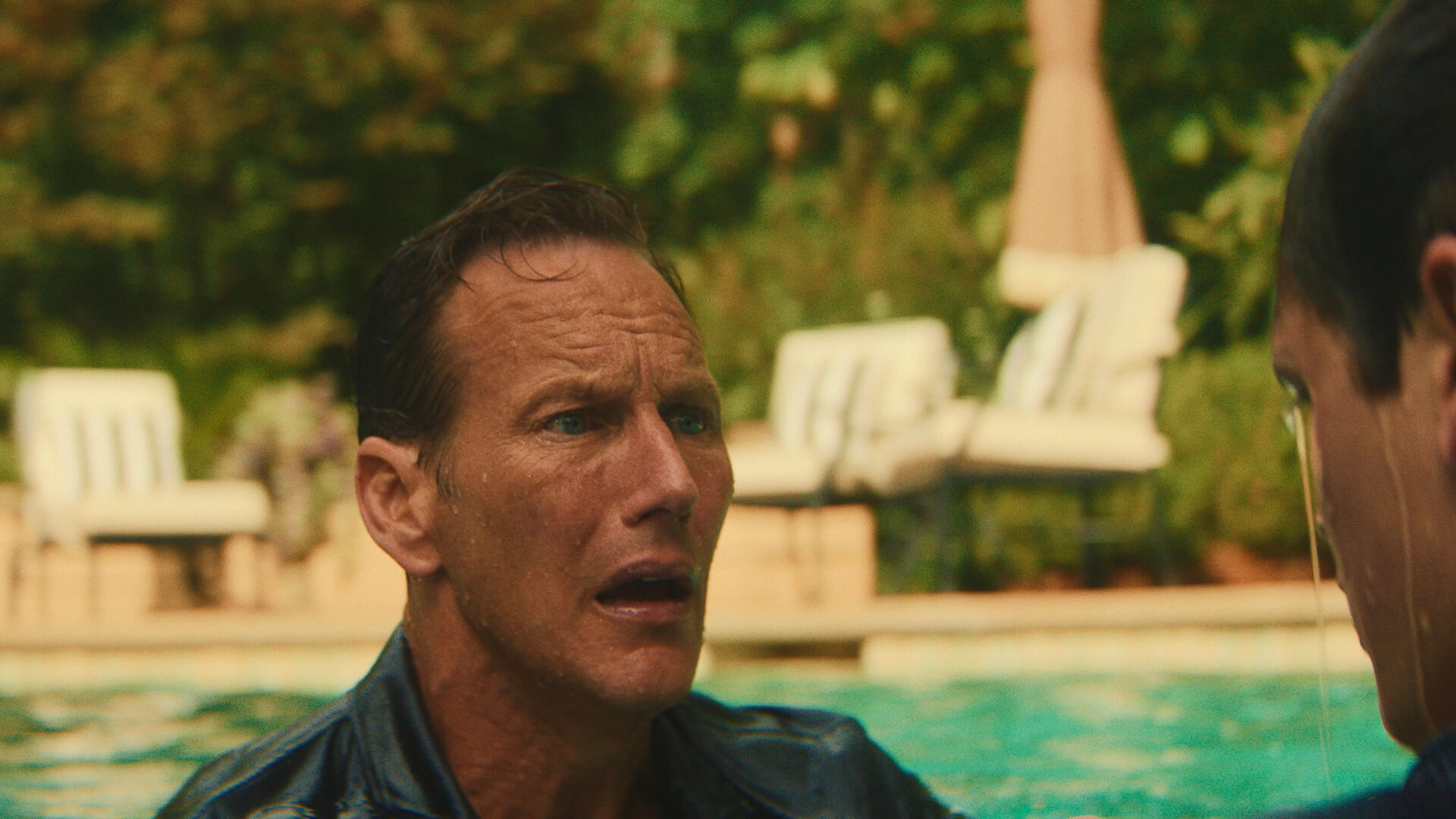
Indeed, you feel like this is a show that could very well have come out in the ’90s, though the storyline is very much rooted in the present. There are elements baked into the plot to remind you that this is a modern interpretation from the 21st century, including the use (and abuse) of technology, including chat apps, AI, and the cloud, and open discussions of mental health and addiction.
One of the most memorable and unsettling moments from the 1991 film is that uncomfortable interaction between De Niro and Lewis (you know the one). The series doesn’t replicate it, but it does pay homage with a similarly disturbing one, and a different but interesting dynamic between Max and Natalie.
Fantastic Character Development
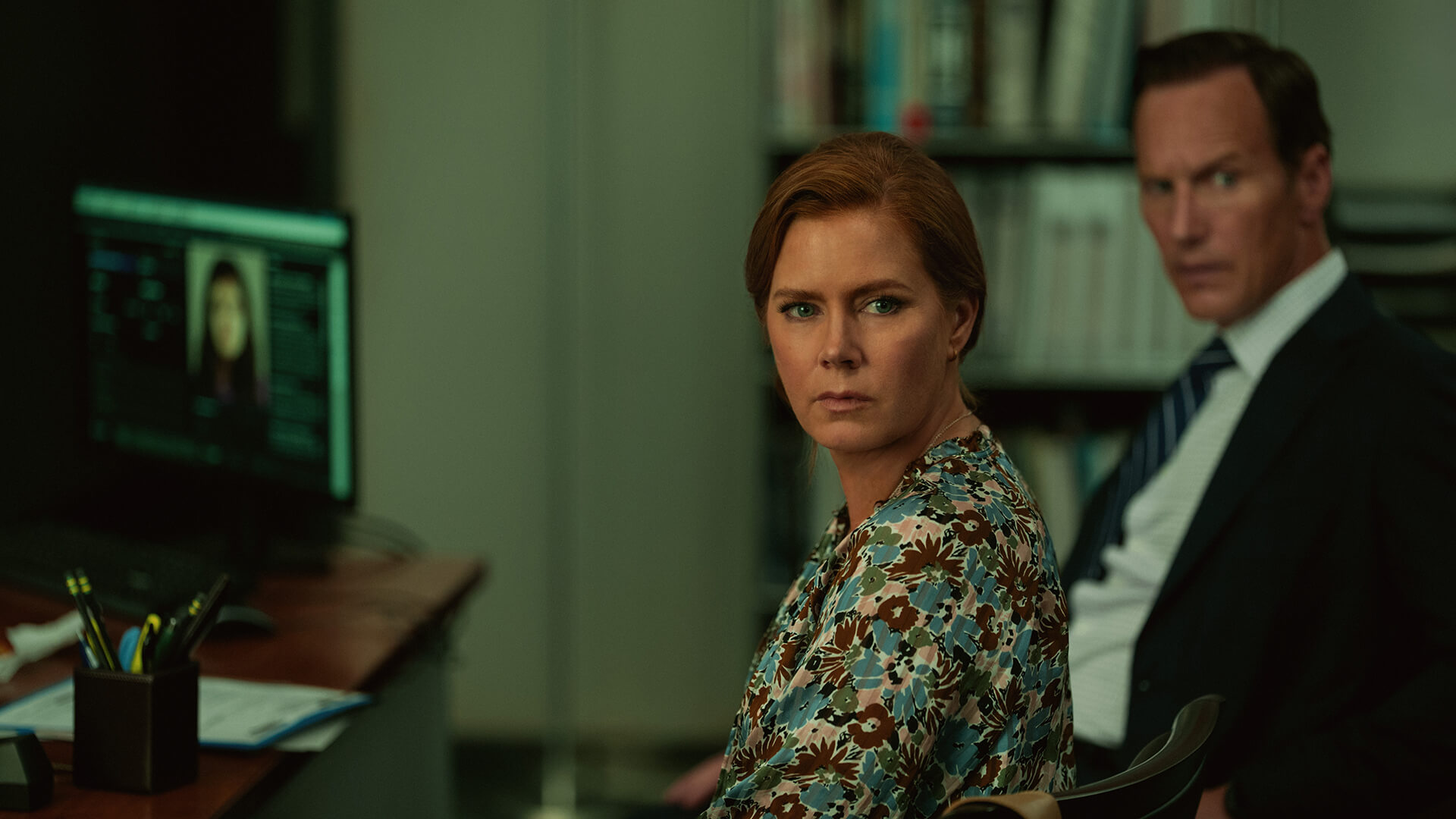
I have seen quite a few new shows this year so far, and along with The Boroughs on Netflix, I’d name Cape Fear among the best. It’s one of those rare situations that takes a story from a movie and transforms it into a drawn-out episodic format that’s both the same as and different from its source material. There’s good use made of the 10 episodes (or at least the eight of 10 provided for screening) to build on the narrative in a meaningful way, create more of a story for Max, and further develop the Bowden family as characters you at times feel sorry for, at others loathe.
In the movie, you feel like you have barely gotten to know the Bowdens, and even Max, before the terror begins. With this series, there are more layers to Max. He isn’t so obviously guilty of the crimes for which he was convicted like De Niro’s Max. Sam broke his oath by failing to provide a suitable defense for his client in the film, but this was solely because his conscience couldn’t bear to let an admitted rapist go free sooner. In this series, as the episodes progress, each member of the Bowden family makes you question their integrity as much as you do Max’s. You see characters slowly losing their grasp on reality, becoming the worst versions of themselves.
Other characters add to the plot in different ways, though some of the stories begin to divert too much from the core and involve twists that the plot probably could have done without. Most of these individuals are included for the sake of integrating elements from the 1991 movie into this story, but with a creative angle. It’s almost like Easter Eggs you’ll only spot on a rewatch of that film.
A Worthy Remake That’s Among the Best New Shows This Year
Antosca relates in an introductory letter to the show that every version of this story asks what you would do to protect your family. But with his interpretation, he set out to ask “if any injustice was done to someone, how far can they go for vengeance? What is the dark side of righteous anger?” That’s a fitting description if there ever was one, and Cape Fear really goes down a dark path to answer that question.
Does it do the 1991 movie justice? Absolutely. The cast in that film was iconic, every actor perfectly cast. De Niro was enthralling as Max, and while Bardem puts his own captivating spin on the character, it works just as well. Collias hasn’t been acting for long, but neither had Lewis been yet at the time, and both deliver emotional and believable performances. Anders is just getting started and his performance in the heavily nuanced role proves he’s more than just a “nepo baby.” Adams and Wilson are consummate pros, and they deliver as you’d expect.
This incredible cast combined with the already known story, albeit with a few narrative shifts and modernization, create a show that really makes you think about how easily a family can be torn to shreds if someone wants it badly enough. Bardem transforms into Max Cady so convincingly, you melt into the story right from the opening flashback scene. You won’t be able to take your eyes off him from there, mostly because, like the Bowdens, you never know when or how he’s coming.
Cape Fear is one of the best TV adaptations of a movie I have seen in a long time, doing more than justice to a film that was a hit when it came out, and will probably see a resurgence following this series. The Apple TV show finds a way to draw out the story such that it hooks you from the beginning, evokes complex emotions, and sparks welcome nostalgia for both the 1991 movie and that era of film in general.