

Elle Fanning, Michelle Pfeiffer, Nick Offerman, Greg Kinnear, and Nicole Kidman: how could you go wrong with a cast like that? A young single mother with an OnlyFans account, a former Hooters waitress grandma, and a former pro-wrestler grandpa, all beautifully come together as a recipe for both disaster and entertainment.
But what’s most interesting about the Apple TV series Margo’s Got Money Troubles is that it’s not at all what I expected based on the promotional materials. The show is a comedy drama, but it skews more to the dramatic side. It’ll spark conversation and debate over sex work and online content creation. And it dives into the dynamics of this unconventional family that totally shouldn’t work but somehow does.
A Complicated Family at the Heart of the Story
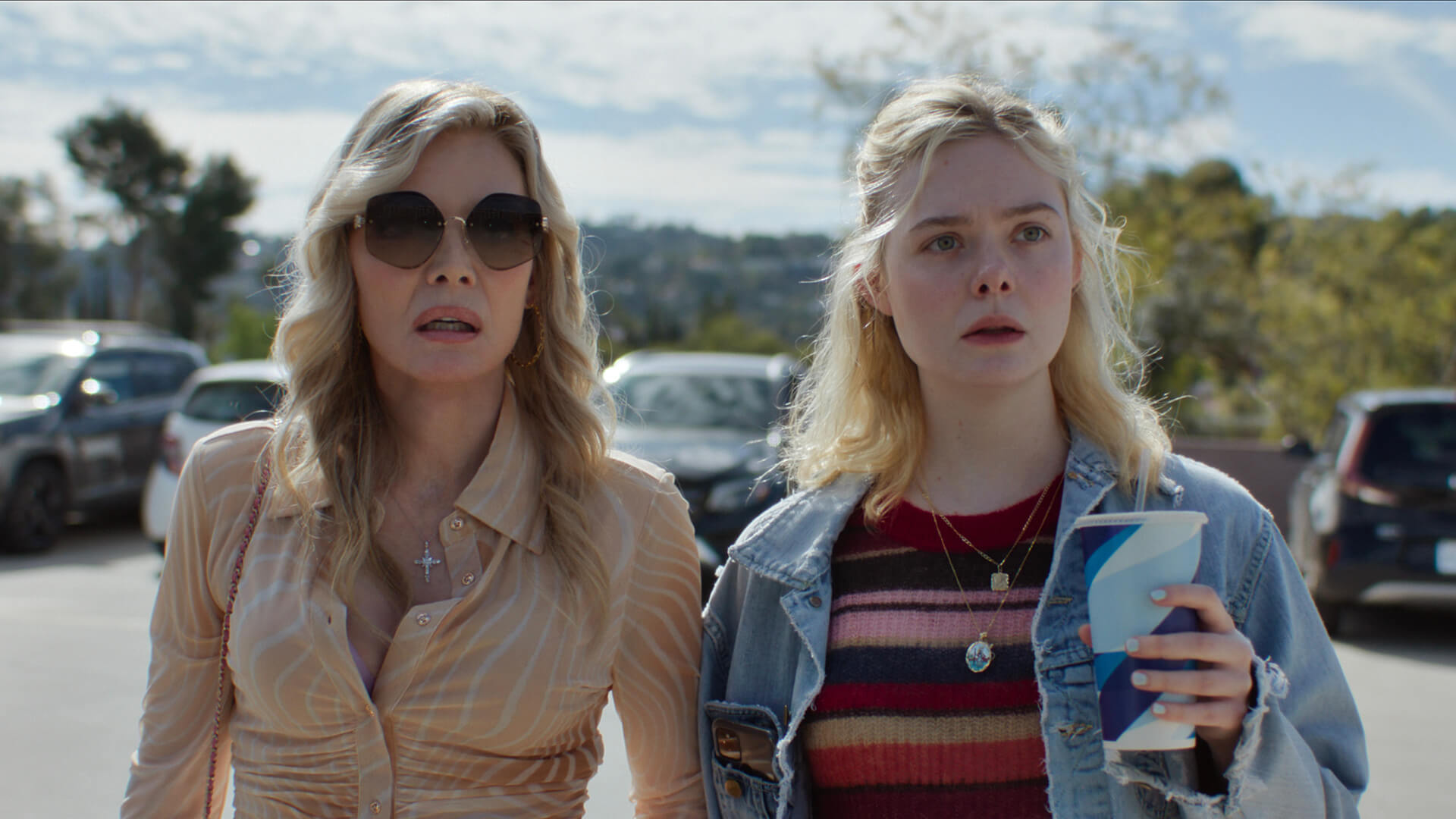
Margo (Fanning) is the core character, a young college student with a passion for writing. As the familiar TV trope goes, she has an affair with her professor that results in pregnancy. Unsurprisingly, Mark (Michael Anganaro) is not willing to support her given that he has a wife and kids (not to mention the negative career repercussions). But Margo decides to proceed with the pregnancy and raise her son on her own.
Refreshingly, both Margo and her mother Shyanne (Pfeiffer) are characters that are far from the perception I had of them prior to watching. Margo is a grounded, level-headed young woman doing her best, not a lazy, aimless college dropout. Shyanne isn’t a ditzy former Hooters waitress, but rather a dedicated mother who wants the best for her child. She sees Margo repeating her mistakes and is constantly grappling with whether to help or criticize. Shyanne is also looking for a steady and predictable life of her own, which she has presumably found with her boyfriend Kenny (Greg Kinnear). He’s a devoutly religious man who couldn’t be more different from her, and for who she represses parts of who she really is.
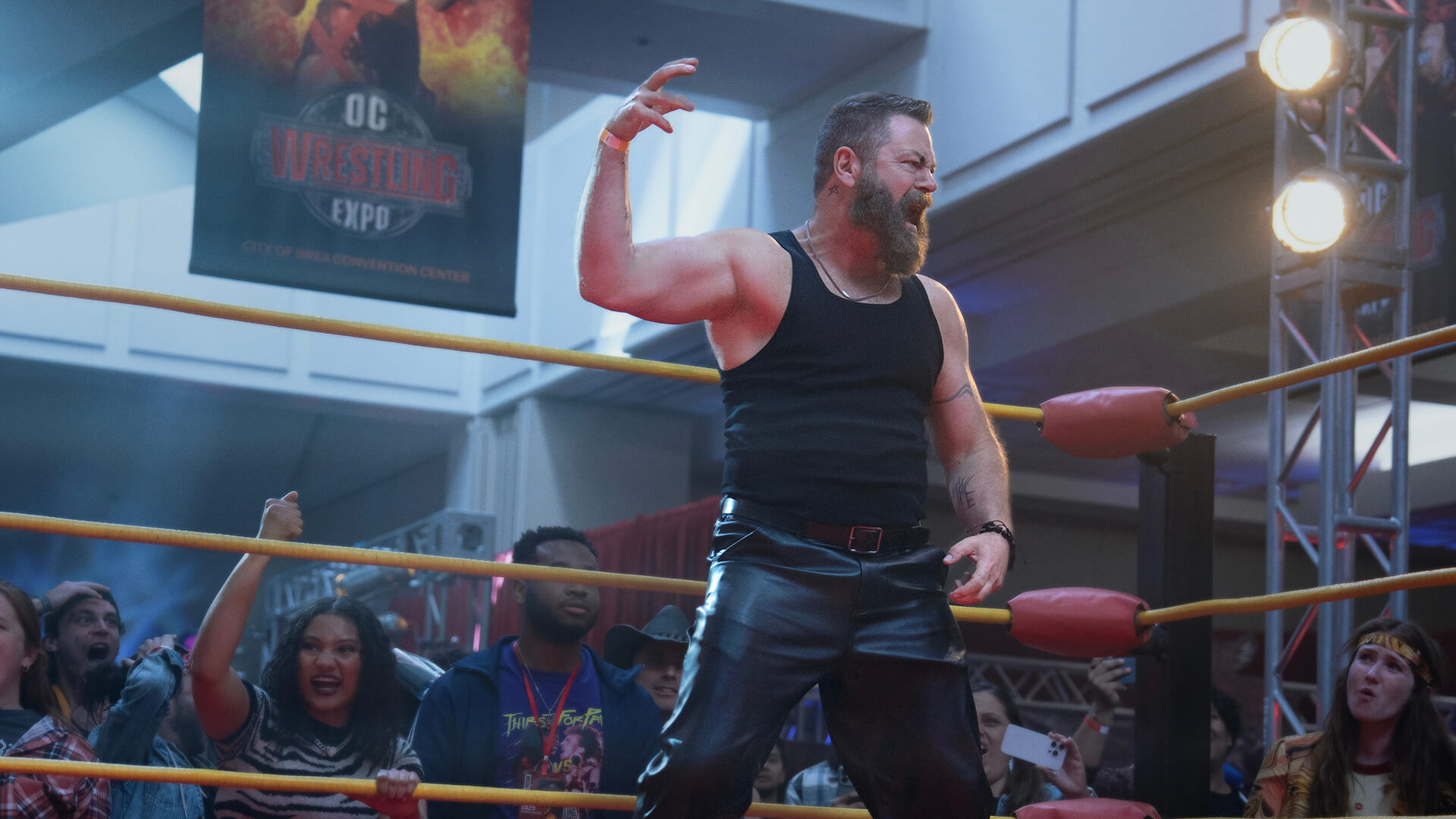
Beyond these two women and their wonderfully nuanced performances, Offerman is absolutely captivating as Jinx. Margo’s absent father and former pro wrestler shows up in hopes of reconnecting with his estranged daughter, and now new grandson. He, too, subverts expectations, fitting with the more serious tone of the show. He’s a layered man consumed with regret, desperate for redemption, and in search of an identity outside of a character that defined him for his entire career. Offerman, known mostly for comedic roles, has shown off his dramatic acting chops in shows like The Last of Us and Devs. But this is one of his best, most nuanced performances.
Also worth a shout out is Thaddea Graham (Bad Sisters) as Margo’s roommate Susie. She’s endearing and sweet, her brief comedic interludes a welcome way to lighten the mood. She also adds a sense of warmth that counteracts the familial drama. On the opposite side, there’s Anganaro, who embodies Mark as the coward you can’t help but despise, the obvious insecure man with mommy issues. Kidman has a small role that I’ll refrain from explaining to avoid spoilers. Sadly, I feel she’s miscast, added for star power when the character would have been better portrayed by someone else. She brings her fantastic acting to the role, of course, but there are so many others who would have been a better fit.
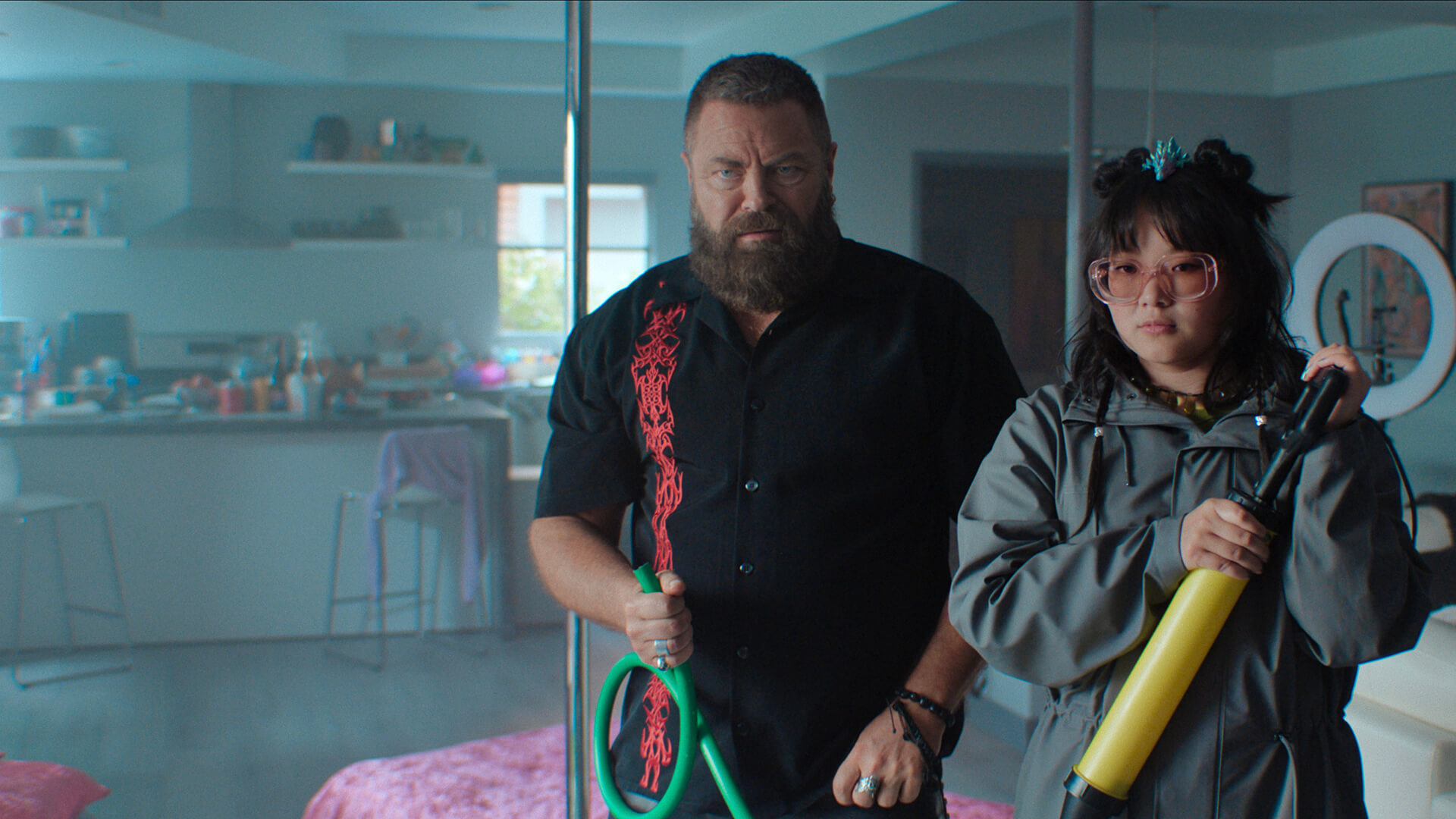
Each character stands on their own, so there’s never a weak moment, never a time when you feel like someone is a supporting character and not commanding their scene. Margo’s pregnancy brings everyone together such that there are some unlikely pairings at times. But this also amplifies cracks in relationships and unresolved issues. Margo’s occupational choice adds yet another layer of complexity to the situation.
Interestingly, during a conversation between two characters, wrestling is described as perfect escapist entertainment because it’s scripted, controlled, and thus safe. But real life is never like that, as the Millet family situation underscores. It’s in the unpredictability that makes it equal parts exciting and painful, and the same goes for the show.
The Price of Going Viral: Money, Morality, and the Internet
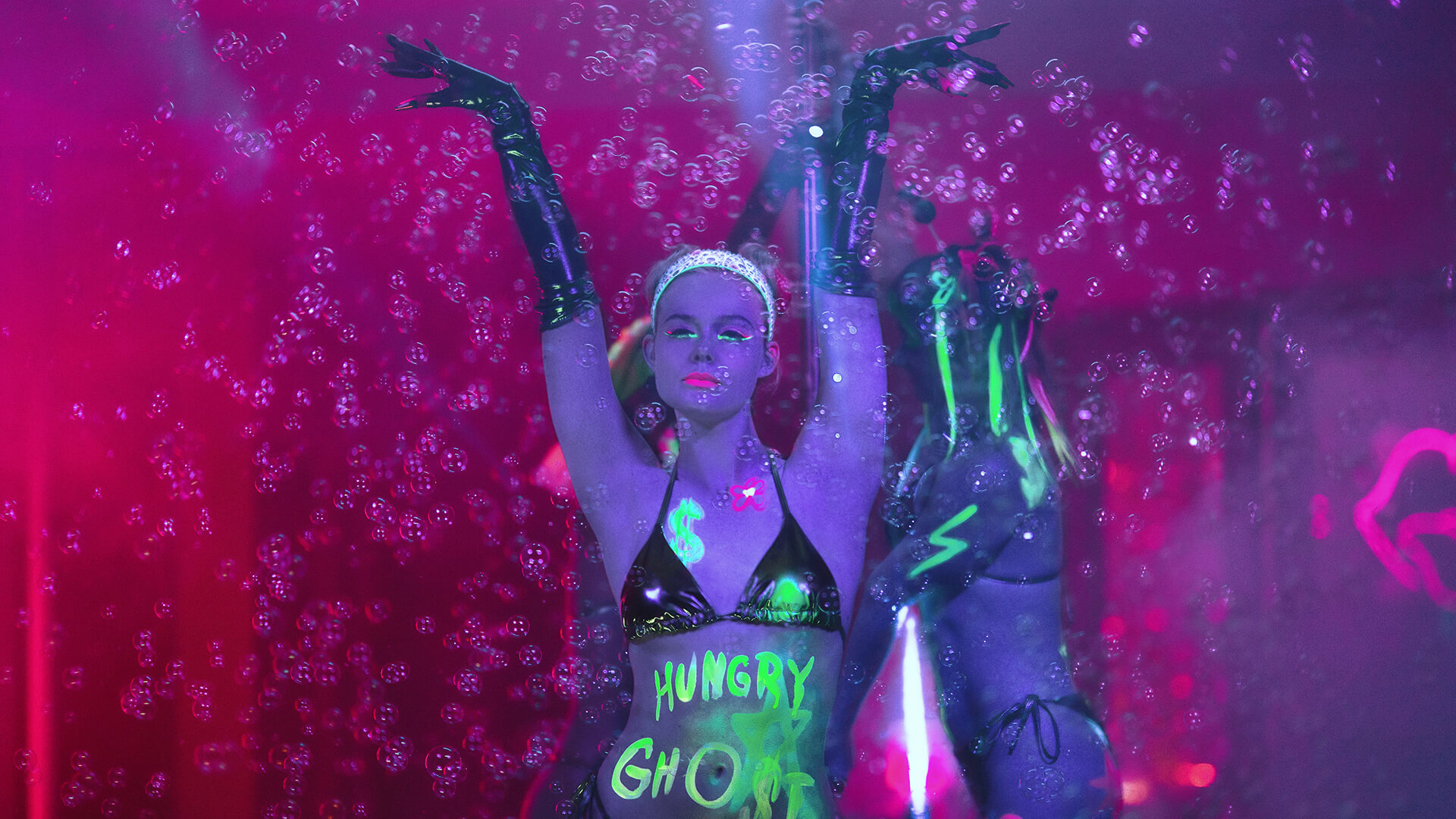
While Margo’s relationship with her parents is central to the show, her choice in job is also a key factor. We live in a world where online content creation is a dominant part of the cultural landscape. Walk into any school today and a large percentage of kids will probably cite “YouTuber” or “TikToker” as their career path of choice. So, it’s completely believable that Margo would consider OnlyFans as a means of earning income to care for her child. Diapers, wipes, and baby gear aren’t cheap, after all. If HungryGhost can help pay for it, it’s time she introduces herself – or rather different parts of herself – to the world wide web.
As the story progresses, the complexities of what constitutes sex work are explored, and the growing social acceptability of online content that toes the line. Viewpoints are discussed from varying angles, but you’re also forced to see things from a lens you might never have considered. It’s both a cautionary tale and a purely informational one that leaves you to pass your own judgement. Margo’s new-found income source might seem quick and easy, but it comes at a cost, and that could be her reputation, a sense of shame, guilt, even embarrassment it causes others. Sexualized online content is a slippery slope as well, and the permanence of the internet is unforgiving. It’s interesting to see a show cover this topic in such a thought-provoking way that will resonate with the new generation, especially since the participating character is a relatable protagonist, not a nameless, disingenuous online persona.

The OnlyFans angle becomes a larger part of the plot as the show progresses, but Margo’s Got Money Trouble is ultimately about much more. It’s about family drama, the complications of life, and the ability to start over and make up for past mistakes. The depth of the family members helps reinforce that this is a character-driven family drama, not so much a comedy. You’ll instantly care for every last one of them, and feel like you have a personal stake in seeing them succeed in simply being happy.
Should You Watch Margo’s Got Money Troubles?
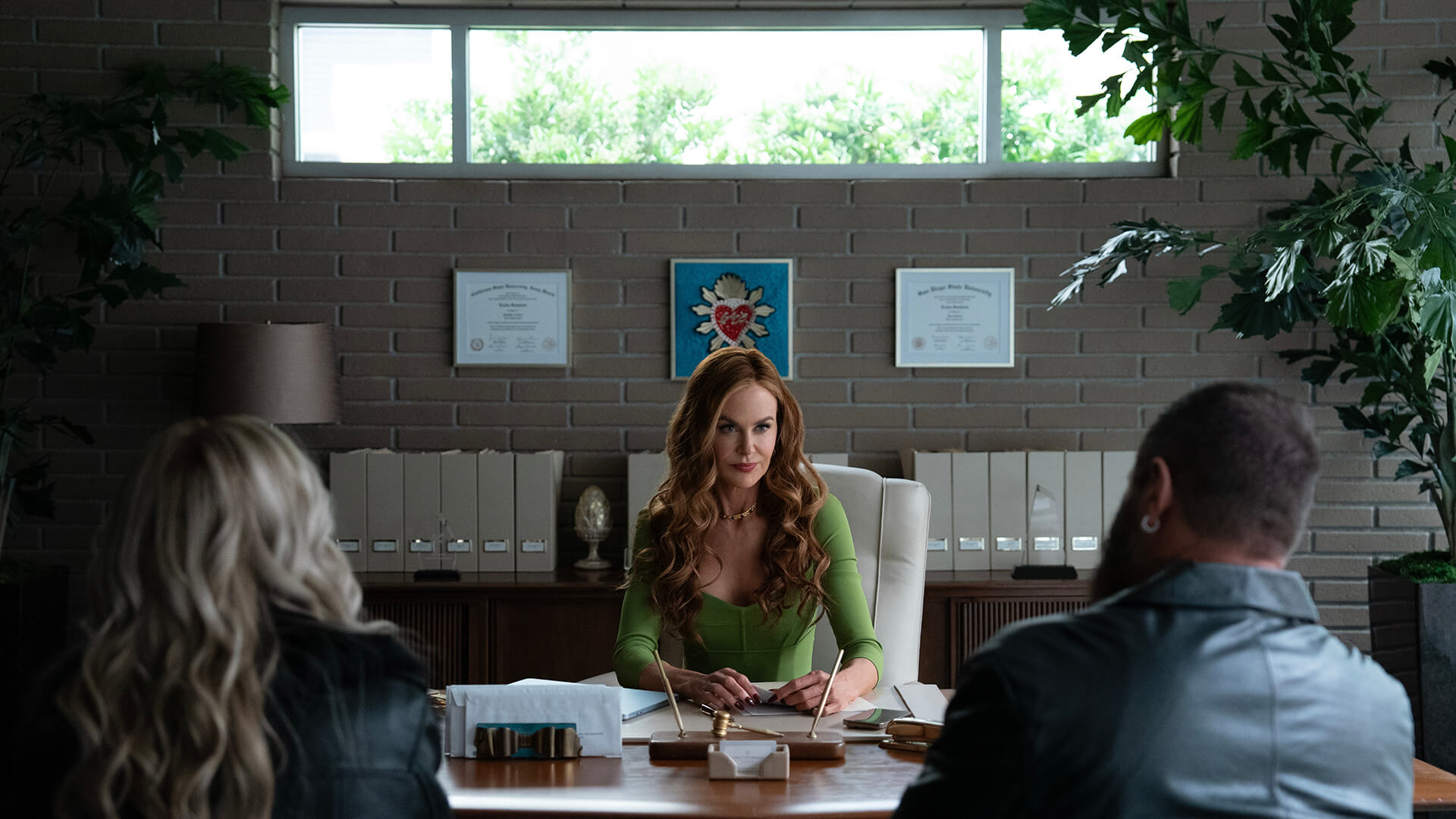
It’s difficult to neatly categorize Margo’s Got Money Troubles. If you’re looking for a lighthearted comedy with a smidge of dramatic flair, this isn’t it. It’s arguably the other way around, a family drama with a dusting of comedy. The show is a bit of a bait and switch in this way. It’s a darker, more emotionally resonant story than I had anticipated based on promotional images and even the lighter angling of the trailer. But that isn’t necessarily a bad thing. It’s just something that caught me off guard.
The story, anchored by the strong performances, captures your attention. So does the timely theme of content creation as a means for economic survival. It’s not just about why Margo turns to OnlyFans, but why she feels she has to do so in the first place. Is this what happens to young single mothers who decide to keep the babies despite a lack of support from the biological fathers? Working outside of the house for any length of time at any time of the day isn’t possible without an unpaid sitter, and not everyone has that luxury. So, what’s the answer? Maybe that’s the biggest question Margo’s Got Money Troubles sets out to ask.
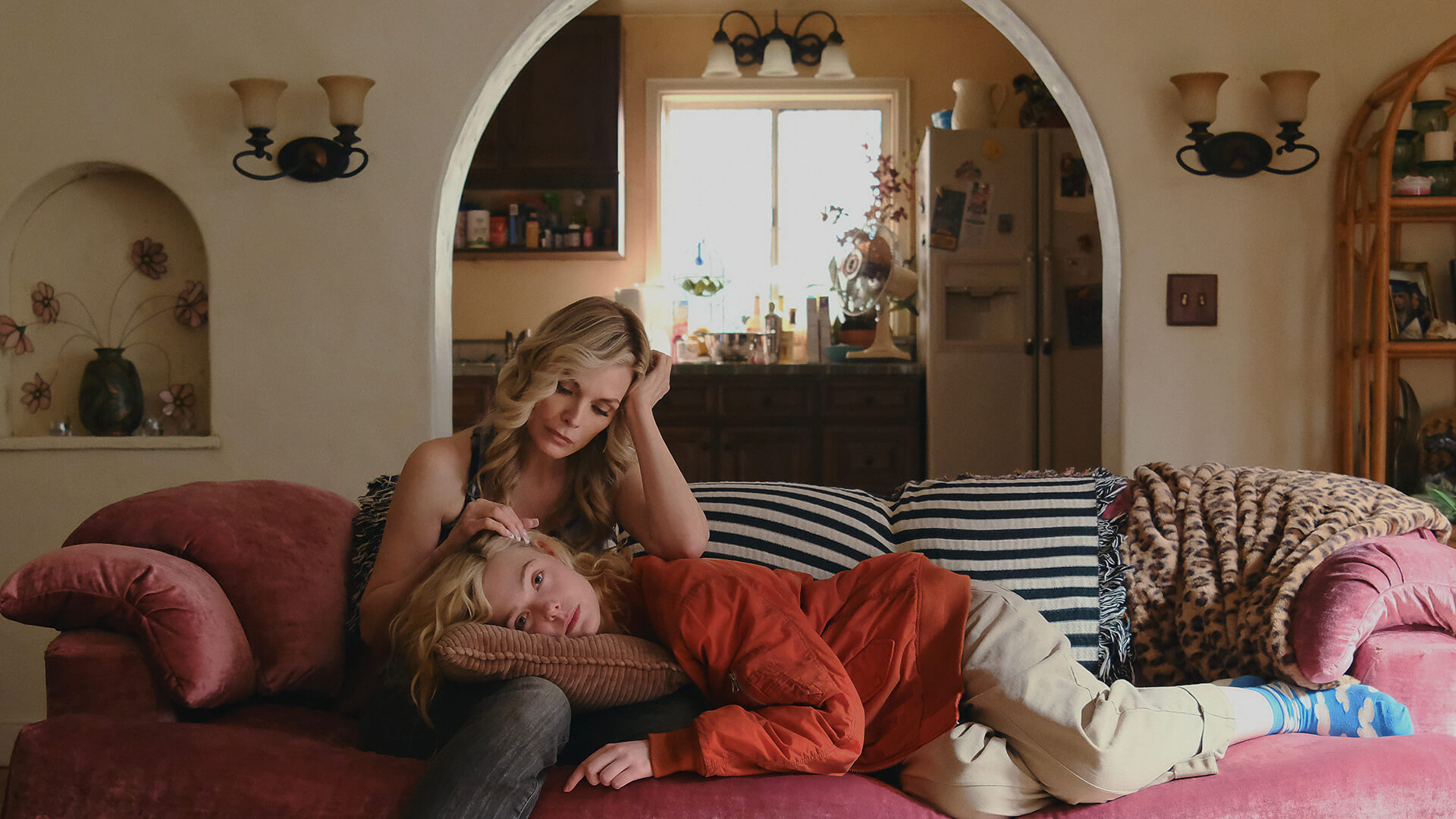
Margo’s Got Money Troubles is a thoughtful, introspective drama with a subtle feminist undercurrent and overall performances that leave a strong impression. Margo might have money troubles, but HungryGhost doesn’t. Whether that’s a good or bad thing depends on how you perceive it.
Stream Margo’s Got Money Troubles on Apple TV starting April 15, 2026.