
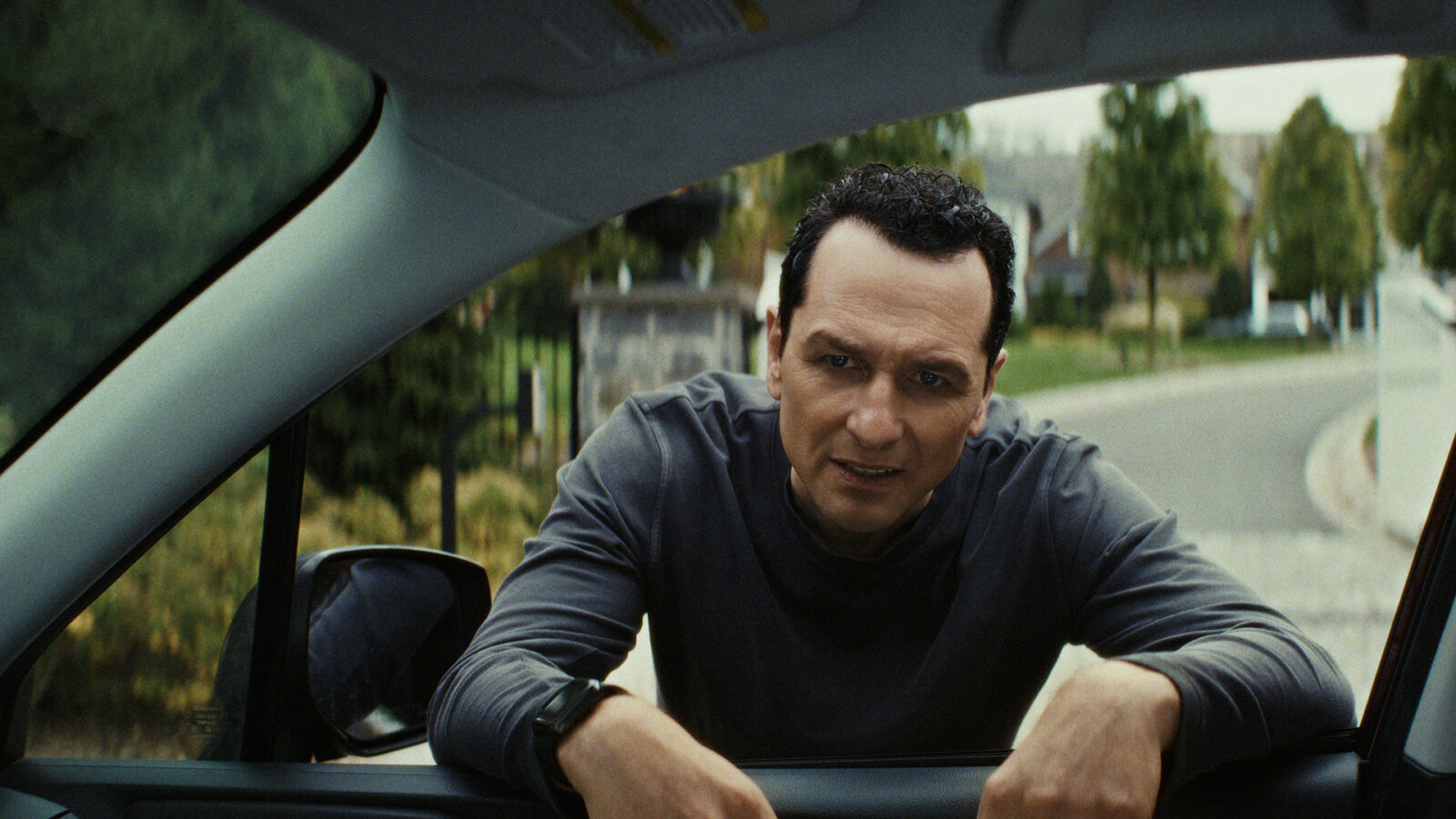
Does Claire Danes ever make a bad show? Her famous Homeland lip quiver is back in The Beast in Me, this chilling psychological thriller miniseries in which she stars opposite Matthew Rhys. The Netflix series has all the elements of a bingeable show you want to sit and power through over a couple nights. It’s not quite as good as others of the genre I’ve seen this year, but it’s decent enough to suggest watching if you’re looking for something short, sweet, and gripping.
What is The Beast in Me About?
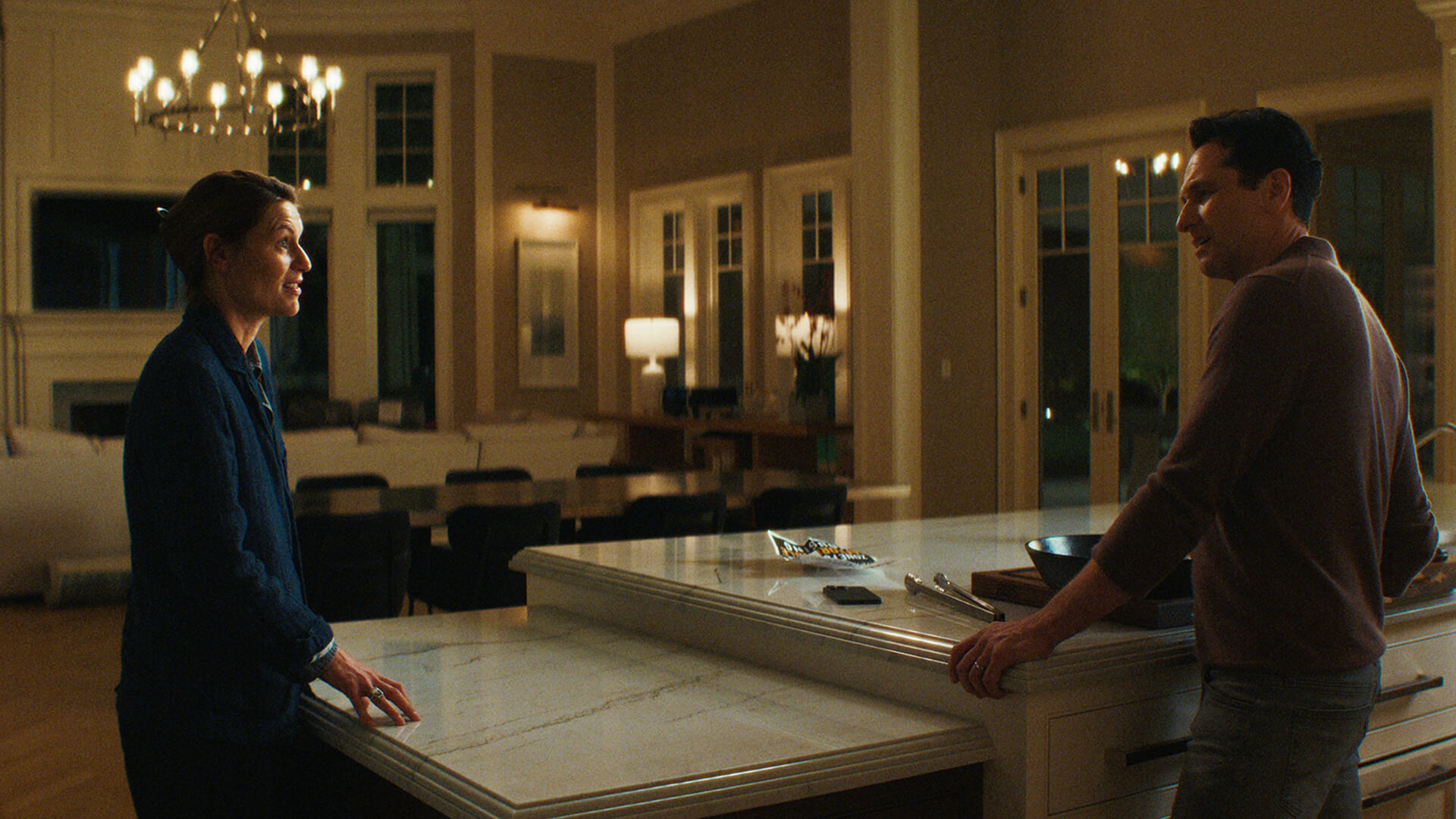
Danes stars as Aggie Wiggs, a revered author (I guess it’s a positive thing that so many shows nowadays feature successful authors as protagonists) who butts heads with an arrogant new neighbour, Nile Jarvis (Rhys), who has just moved into her wealthy neighbourhood. The son of a retail magnate, he’s basically in hiding from the spotlight following his wife’s death by suicide. Many suspect he killed her, though he was never charged because there was no proof.
Aggie isn’t sure what to make of him, but when he insists on being friendly with her, she becomes fascinated by his charms. She needs someone to talk to, get out of the house, and out of her comfort zone anyway. Aggie is still reeling from the death of her child a few years earlier, caused by a car accident in which she was involved. The death led to the breakdown of her marriage with Shelley (Natalie Morales) and Aggie has been in a personal and professional funk ever since.
Finding her latest writing project a bore, she has an idea: she can write a book about Nile. But her motivation in doing so is twofold. She suspects he might have committed another crime, and she hopes in digging deeper into his mind, she can uncover the truth. But is she just using him as a distraction and seeing things that aren’t there to help her deal with own trauma?
The Beast in Me Review
At its heart, The Beast in Me tells a story we’ve seen time and time again of a suspected murderer who masquerades as a pillar of society and a picture of wealth and excess. But more so than that, it’s about the power of perception and most important, manipulation. The depiction of the two main characters instantly draws you in. Aggie is more layered than she appears, a young woman in the body of a surly old lady who wants to scream “get off my lawn” to everyone who comes by. By contrast, Nile is charming, personable, but also gives off a “‘don’t mess with me or I will come for you in the worst way possible’ vibe.” Yet there’s something magnetic about him that draws Aggie in, even if he basically forces himself to get to know her under the guise of being a huge fan of her work.
The show makes you wonder about the concept of karma, retribution, justice, and anger, and how these can all weave together, as well as if they even should. Manipulation as a theme leaves you questioning if we manipulate ourselves into believing our own flawed realities, or others manipulate us into believing theirs.

The series gets off to a relatively slow start. But by the middle, there are a few scenes that will have you perking up in your chair, mouth agape. It’s not particularly revelatory. What’s really goes on seems apparent right from the beginning. (Netflix should also rethink the stills used as episode icons, which sort of gives some spoilers away).
The writing is admittedly weak at times, some plotlines going nowhere and serving no purpose. Some interactions between Aggie and Nile, especially, seem far-fetched. I don’t know about you, but if I suspected a man to be a vicious murderer who killed his wife than faked a suicide, I would not be inviting him over for drinks and getting wasted or walking out into the middle of nowhere or on a rooftop to hang out. Sure, he’s convincing, but sorry, I’m out!
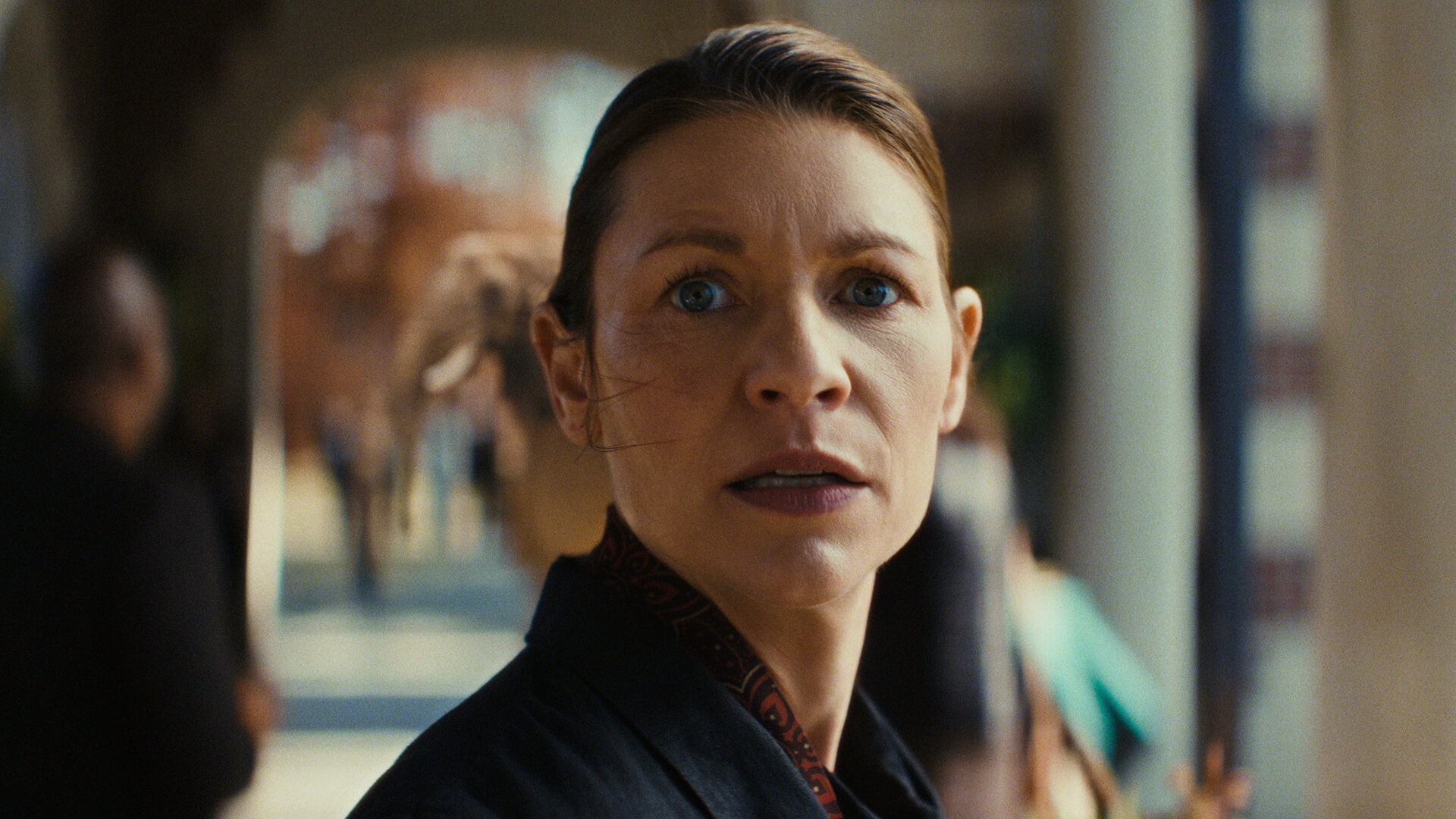
The sense of fearlessness, however, a death wish of sorts, might be part and parcel with Aggie’s character, reinforcing the depressed state she’s in. Maybe deep down, she was hoping he might push her, strangle her, kill her, and end the suffering of her longstanding grief. The dynamic between them is wonderful to see: he’s the charming yet intimidating gentleman and she beautifully expresses the terror she feels inside with apparent apprehension. What’s missing is a bit of sexual tension, which would have upped the ante for their pairing. With Aggie being a lesbian, however, that angle goes out the window.
Both Danes and Rhys do a wonderful job, Danes as noted, delivering some of the best anguish-fueled facial expressions of any TV actor, complete with her signature lip quiver that fans of Homeland know all too well. Rhys is believable as a potentially psychopathic businessman who lives in the shadow of his father, wonderfully played by Jonathan Banks. Nile has “I don’t need you, daddy!” energy written all over him, despite running to daddy and seeking his approval at every turn. My favorite moment, however, is Nile singing and dancing to Talking Heads‘ “Psycho Killer,” knowing full well that Aggie, and others, suspect him of being a killer. Talk about brazen and blatant narcissism!

What’s missing is a proper thematic storyline. The episodes bob and weave among Nile’s real estate project (a jogging path he wants to construct, of all things) and political dealings with his father that seem like they’re from another show altogether, to Nina’s work at an art gallery and her attempts to befriend Aggie (why are they so obsessed with her?), Aggie’s fractured relationship with her ex, and Agent Brian Abbott’s (David Lyons) strange involvement in it all. The dots connect eventually, with a few stray outliers. But the way they do seems forced in some cases, like parts of the storyline could have easily been left out to make for a stronger eight episodes.
The cop-out is the flashback-based penultimate episode that explains everything that went on and fills in missing gaps in a neat and tidy way that presents like lazy writing. Weaving these details into the other episodes, bit by bit, would have been far more impactful. Instead, we’re left with a massive cliffhanger in Episode 6 only to go back in time for the “here’s what actually happened” spoon fed story before we can get back to it.
The Beast in Me is Worth a Watch
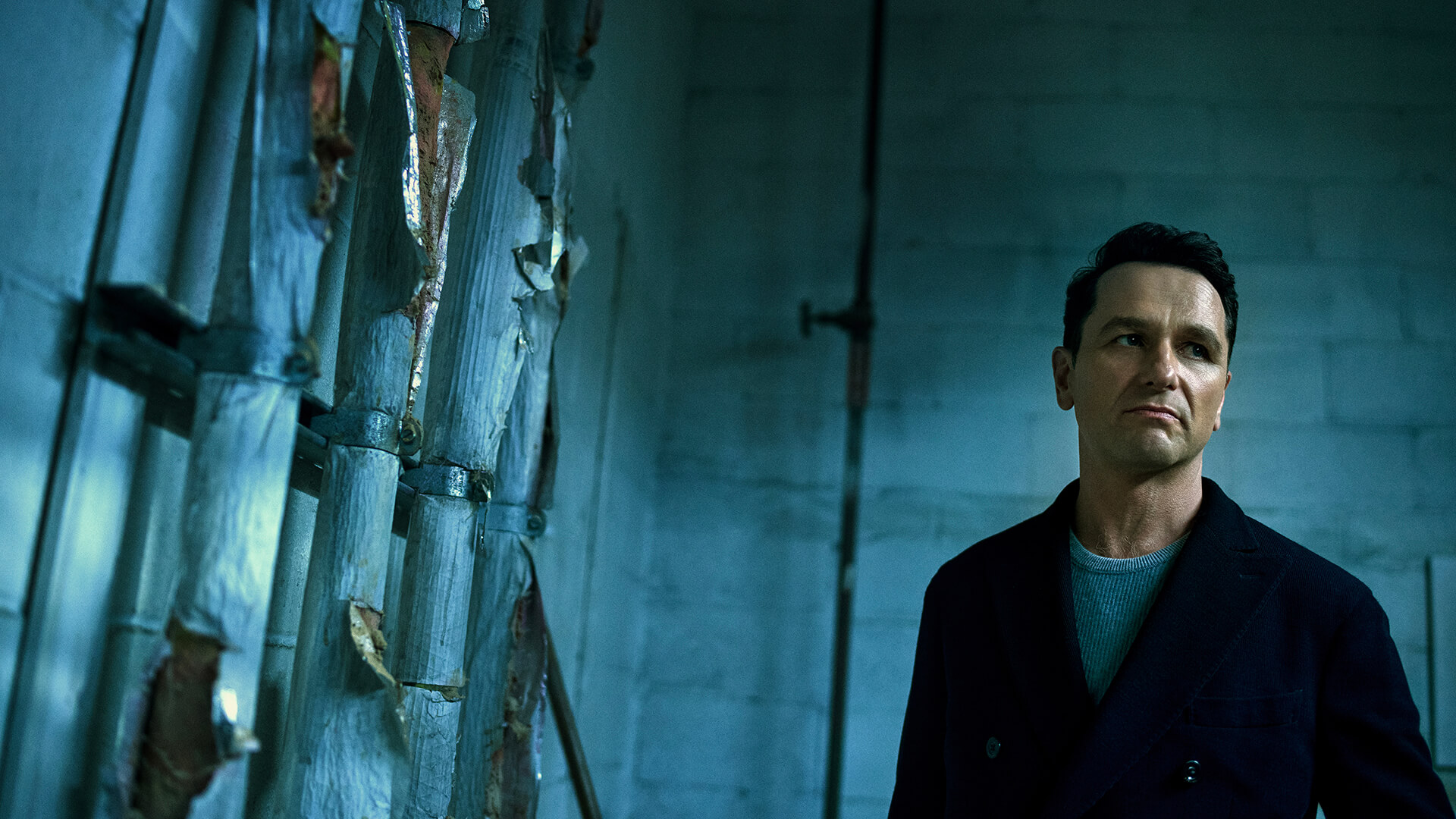
The show’s ending does build to a crashing crescendo that makes watching worthwhile and satisfying. Even if it won’t be the best show you’ve watched this year, nor will it count among the best psychological thrillers, it’s a solid concept with a fantastic cast. The writing is missing that bit of flavour that make incredible psychological thrillers like Severance, The Undoing, and You keeping us talking long after a season is done. But there are shining moments of intriguing dialogue and violent outbursts that will wake you up from dozing off to remind you that yes, there is something interesting going on here. It’s getting somewhere, and eventually, it lands.