
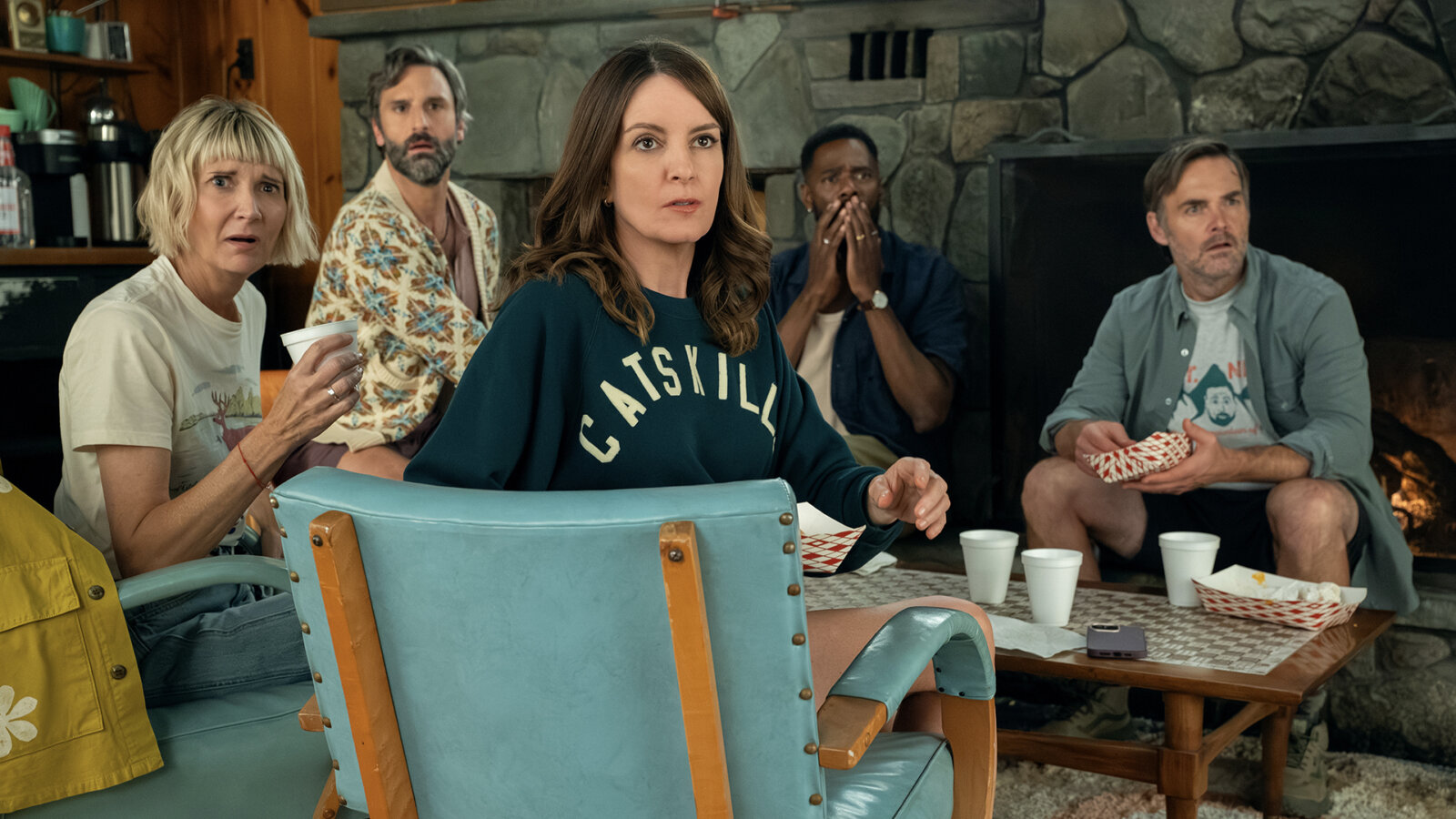
In Season 1, The Four Seasons on Netflix, a modern adaptation of the 1981 Alan Alda film, introduced us to a close-knit group of long-time friends who, despite the challenges of life, continue to make time to meet every season for a group vacation. The situation was complicated when Nick (Steve Carell) declared his desire for a divorce from his wife Anne (Kerri Kenney-Silver) after 25 years, and introduced his new, much younger girlfriend Ginny (Erika Henningsen) to the group. When Nick suddenly passed away, and Ginny realized she was pregnant with his child, this threw the group for a loop. It was clear the dynamic would change. How much they’ve both changed and stayed the same is central to the second season.
More of the Same with a Touch of Reflection
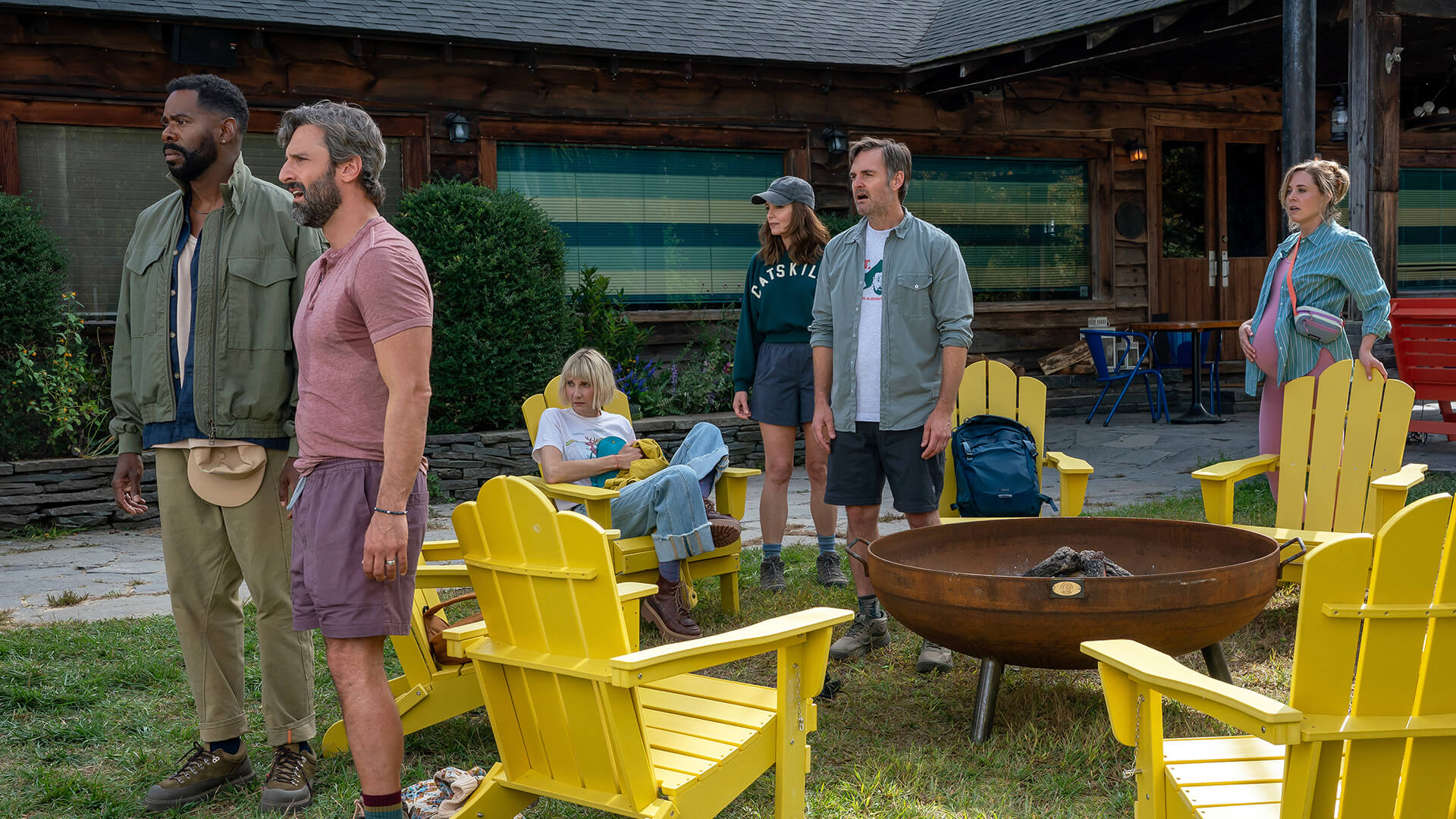
If Season 1 was about putting aside the daily rigors of life to make time for your friends, Season 2 is about reflecting on life in middle age. What opportunities did you miss, what regrets do you have, and what does starting over look like? For Anne, it’s becoming a single, independent woman after decades of marriage and caring for a now grown child. For Kate (Tina Fey) and Jack (Will Forte), it’s about dealing with the monotonous nature of life as empty nesters, while for Danny (Colman Domingo) and Claude (Marco Calvani), it’s about what’s next for the couple.
For everyone, the catalyst is Nick, whose death reminds them of their own mortality, while Ginny still hanging around reinforces that life goes on. The stories combine humor with heart, warmth and comfort with awkwardness and discomfort. It’s witty and fun with relatable dialogue for anyone whose middle aged and poignant conversations and moments that will have you reflecting as well.

The characters lean more heavily into their archetypes, Jack the one who will die before he ever lets this group tradition end. He’s filling a hole left by the loss of his friend by recording every moment the group has (shout out to GoPro), but also quietly suffering from a bout of depression. As he searches for his identity, he ends up in strange places, and has some hilarious encounters, like when he meets a new friend and leans more heavily into his child-like side. It’s the perfect role for Forte.
Kate is the sarcastic one who is desperate to find her personal happiness, both alone and with Jack, even if they don’t share the same hobbies (Jack’s decision to take up running and Kate’s quiet disdain for it is one of the cutest storylines this season). Claude is the ever-doting husband and Danny the self-centered one who lets his guard down most with bestie Kate, their dynamic one of the most refreshingly honest among the bunch.
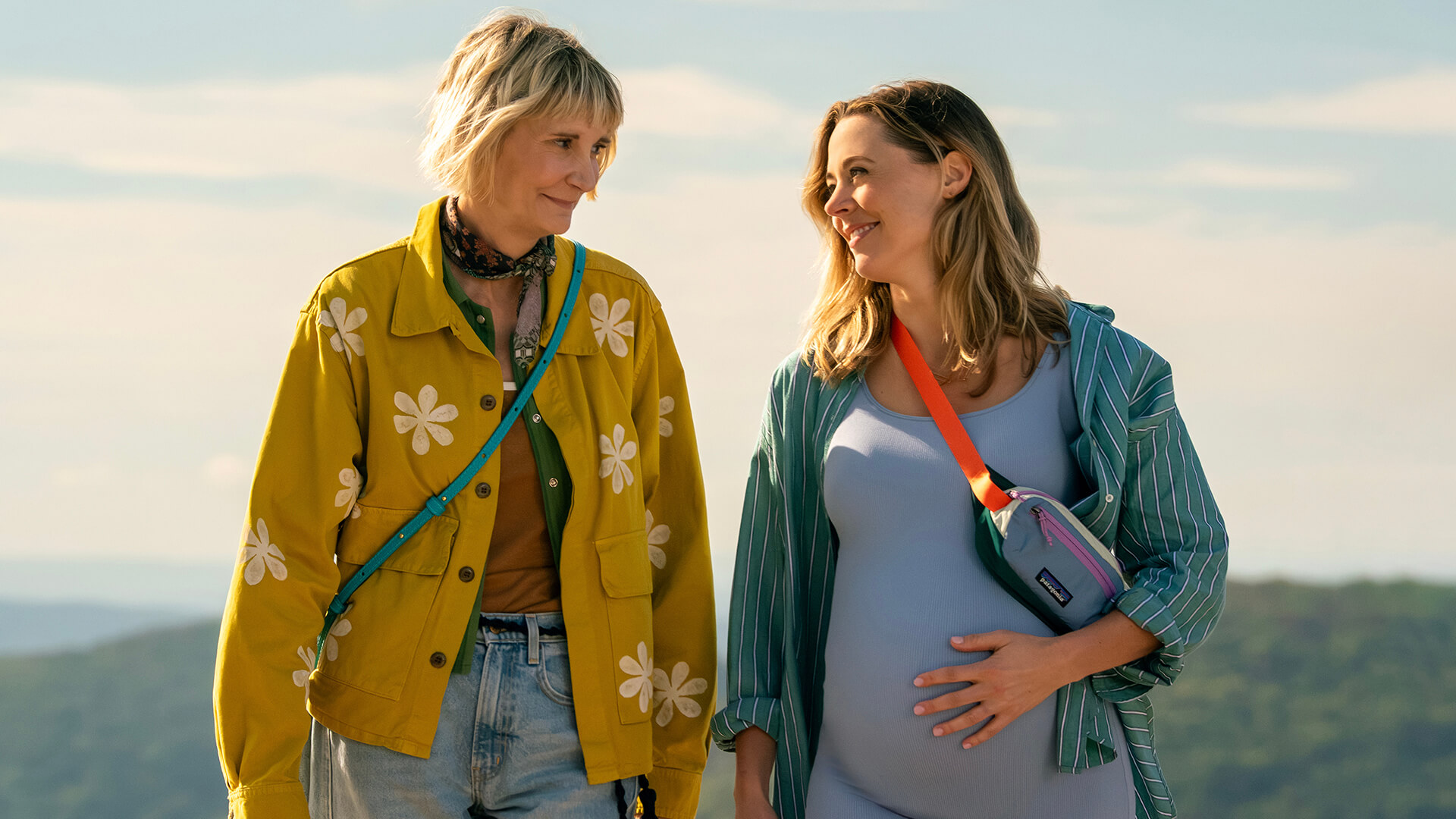
Anne should represent a woman starting over in the face of tremendous adversity, and she has her moments. But she remains the odd one out, understandably having a tough time processing her new life. She’s arguably the least likable, but you have to wonder if it’s her personality or her circumstance that causes you to feel annoyed by her.
Carell was a huge part of Season 1, the central character, and he still is in Season 2, but in a much different way. Much like when his character left The Morning Show, The Four Seasons isn’t any worse without him. Yes, the shift focuses too much on Anne and her same frumpy, pitiful vibe. But Nick’s absence now informs everything going on with others as well. So, even though he isn’t physically around, his influence and presence is felt.
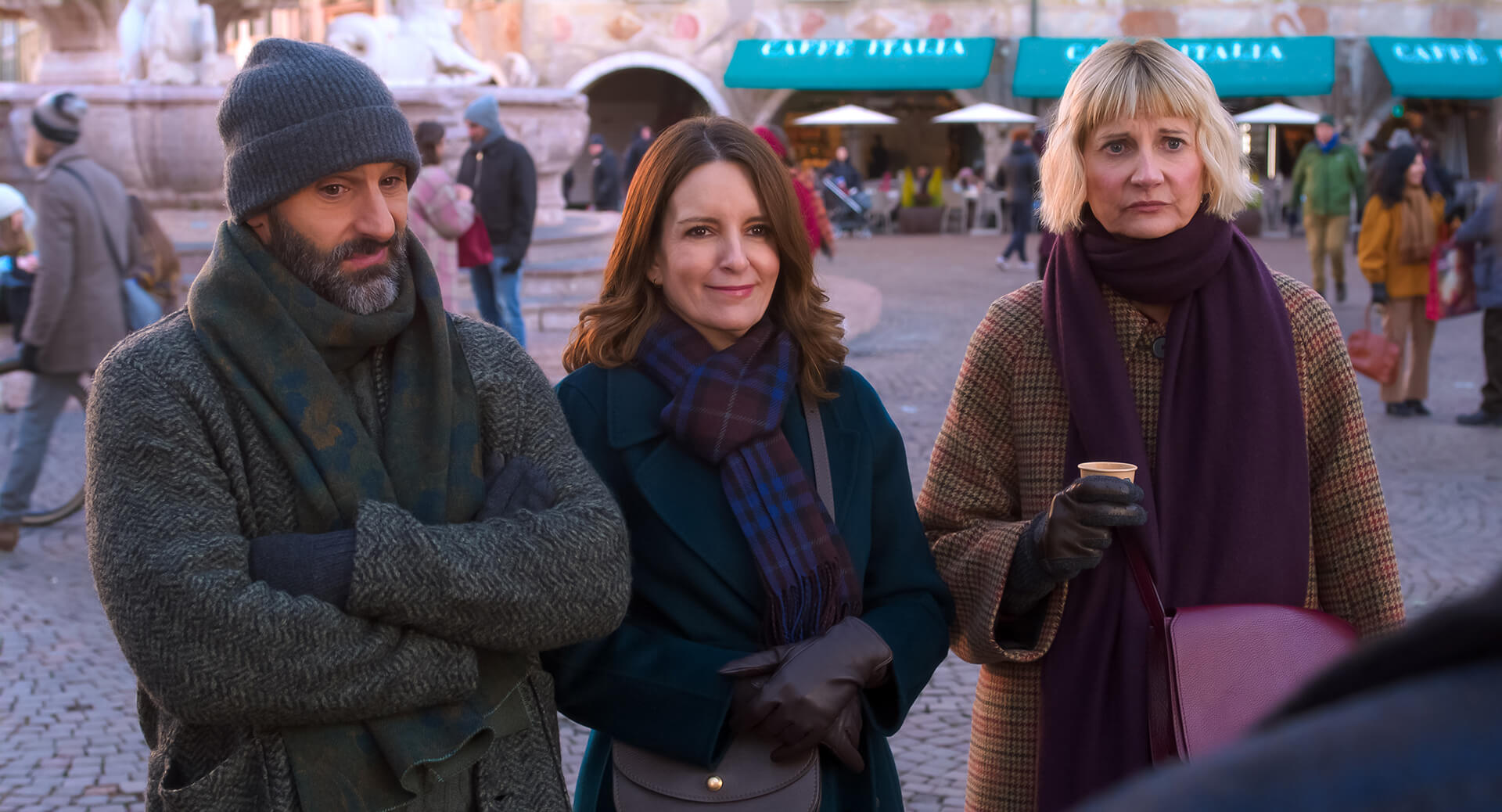
It’s no longer a show about friends trying to grapple with one of them going through a midlife crisis. It’s about friends dealing with grief, each in their own unique ways, during that pivotal time when the first person of your friend group passes away. It’s also about friends going through their own midlife crises, nothing left but to stare it in the face now that Nick and his troubles aren’t there to distract them anymore. Don’t get me wrong, Carell’s physical presence is missed (though there’s a surprise in store) but Fey, Domingo, and Forte, especially, can effortlessly hold their own without him.
The continuation of Ginny as part of the group is the proverbial wrench through into the group, the elephant in the room to remind everyone that Nick left the world a very different man than the one they initially knew. But the baby keeps his spirit alive, reminds the others of how far they have come in their lives, and forces them to ask tough questions about where they go now. Ginny doesn’t serve much purpose beyond that, the character there to help drive Anne’s story forward, and remind the group that they’re not in their 30s anymore.
A Good Comfort Watch
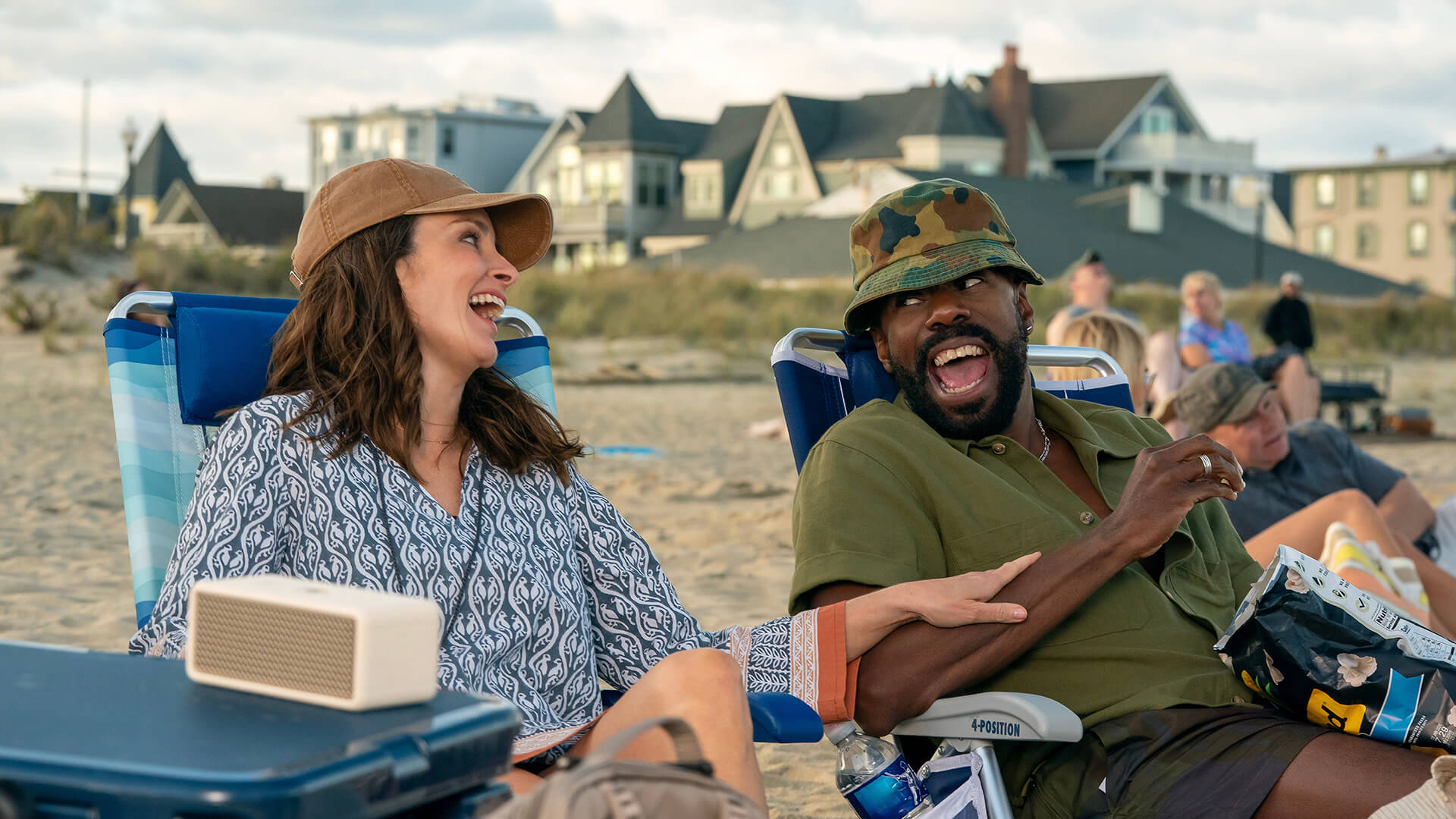
There’s nothing groundbreaking about Season 2 of The Four Seasons, but it’s a comforting watch that will entertain you through the eight episodes, an easy weekend binge. Each episode ends in a way that keeps you excited for the next. There’s two episodes per vacation, from a crazy Thanksgiving party to a trip to Italy. Once you get through the antics of one vacation, like the night stuck in a corny motel and a long weekend at the Jersey Shore, you’ll be eager to see what happens the next time the group gets together.
As each couple or person goes on a personal journey, they enter a new chapter in their lives as well. The tone is deep and emotional, but there’s enough humor to keep it lighthearted. That’s a tall order considering the topics they deal with include death, grief, loss, stagnation, and even at times, a twinge of unhappiness. While Anne is the one most overtly dealing with loneliness, it appears they all have some sense of that feeling in their lives, too.
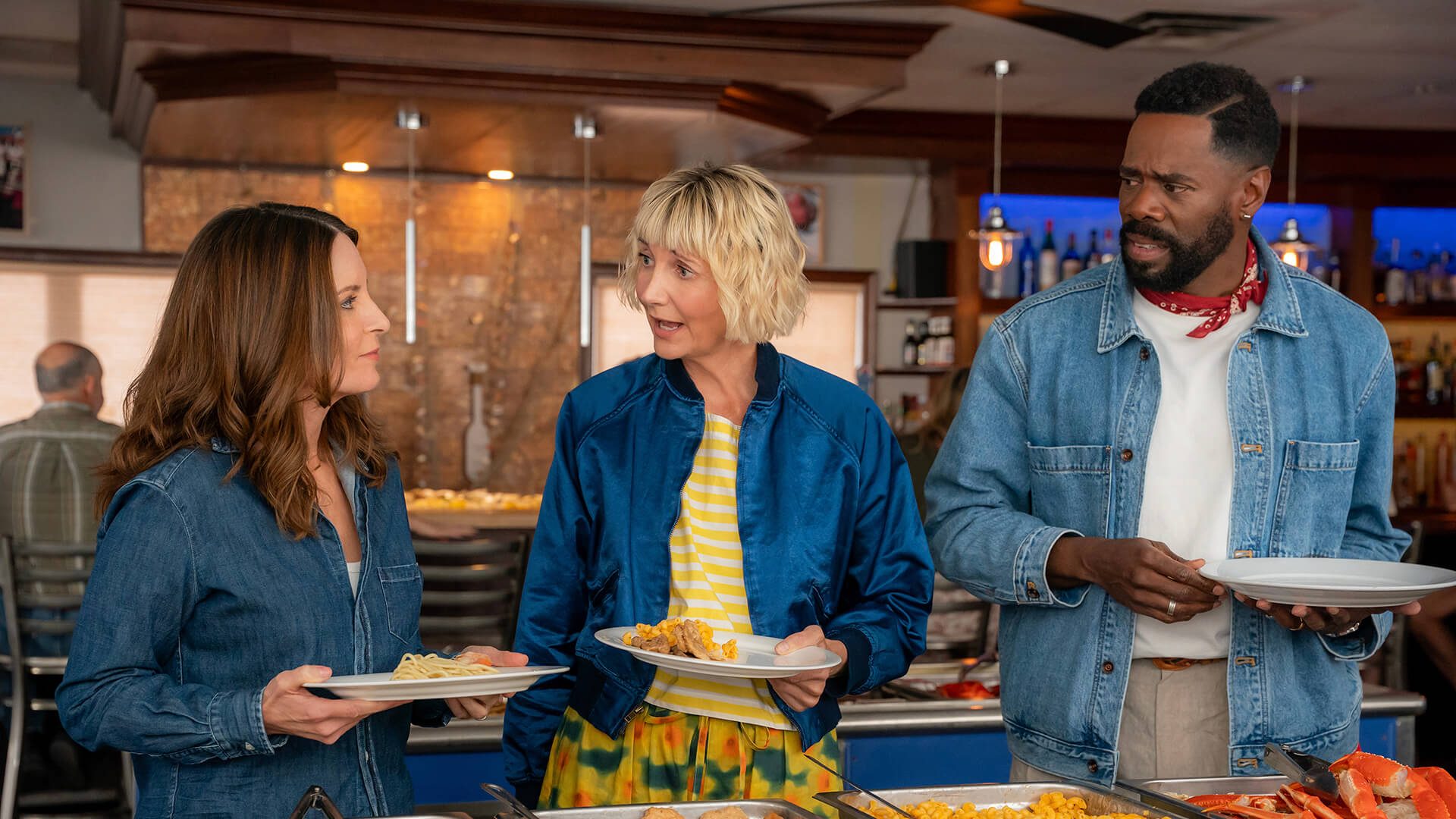
The show is about reinvention in middle age, and the unexpected curveballs life can throw at you. Even when everything works out as it should, with a partner, career, kids (or no kids), and a nice home, there’s still that sense of “what do we do now?” The Four Seasons is, in essence, a show about likable people with first-world problems.
You’ll laugh your way through the funnier moments, searching for which of your own friends each character is most like. You might even feel a little envious. Decades later and this group continues to get together once every season, to remain a part of one another’s lives. That’s a rarity nowadays when most friendships are here for a reason or a season, not a lifetime.
The Complications of Middle Age
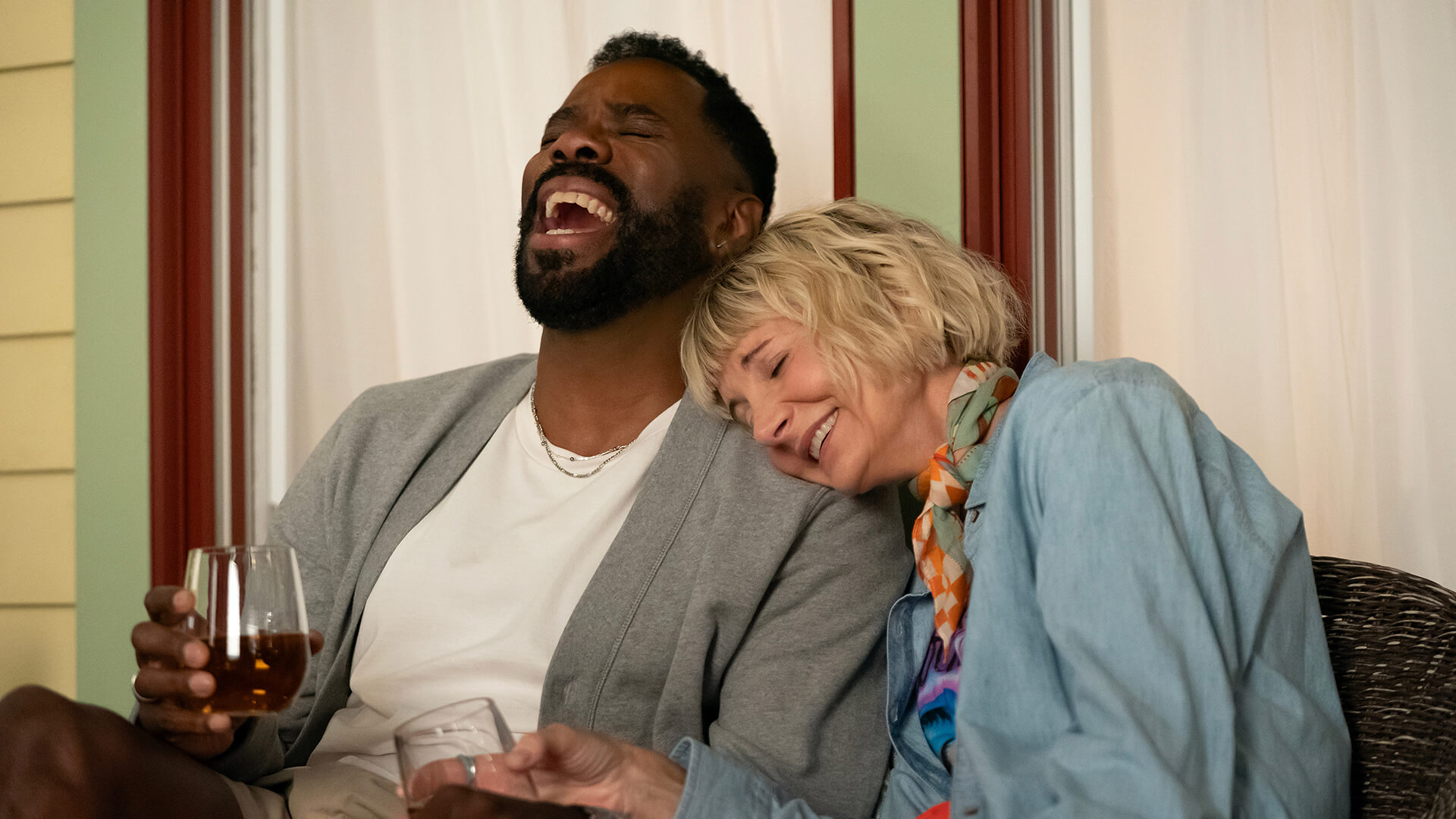
There’s one line in particular this season that cuts deep for anyone in middle age: “Every decision feels like I’m trying to stick the landing on my entire fucking life,” says Danny. Truer words have never been spoken, and this is largely what this show is about. This group of friends has been through milestone moments in life together. They’re now at a point where they need to figure things out when they thought they already had. Sometimes, that involves massive change, like it or not.
The stakes are higher now than ever because there’s less of their lives in front of them than there is behind. But when it comes down to it, they are there for one another. And that’s what matters most. It’s in moments when the friends sit together on a porch or the lobby of a rundown motel in the middle of nowhere sharing stories and drinking copious amounts of wine that the magic really happens, the chemistry of the cast shining through.
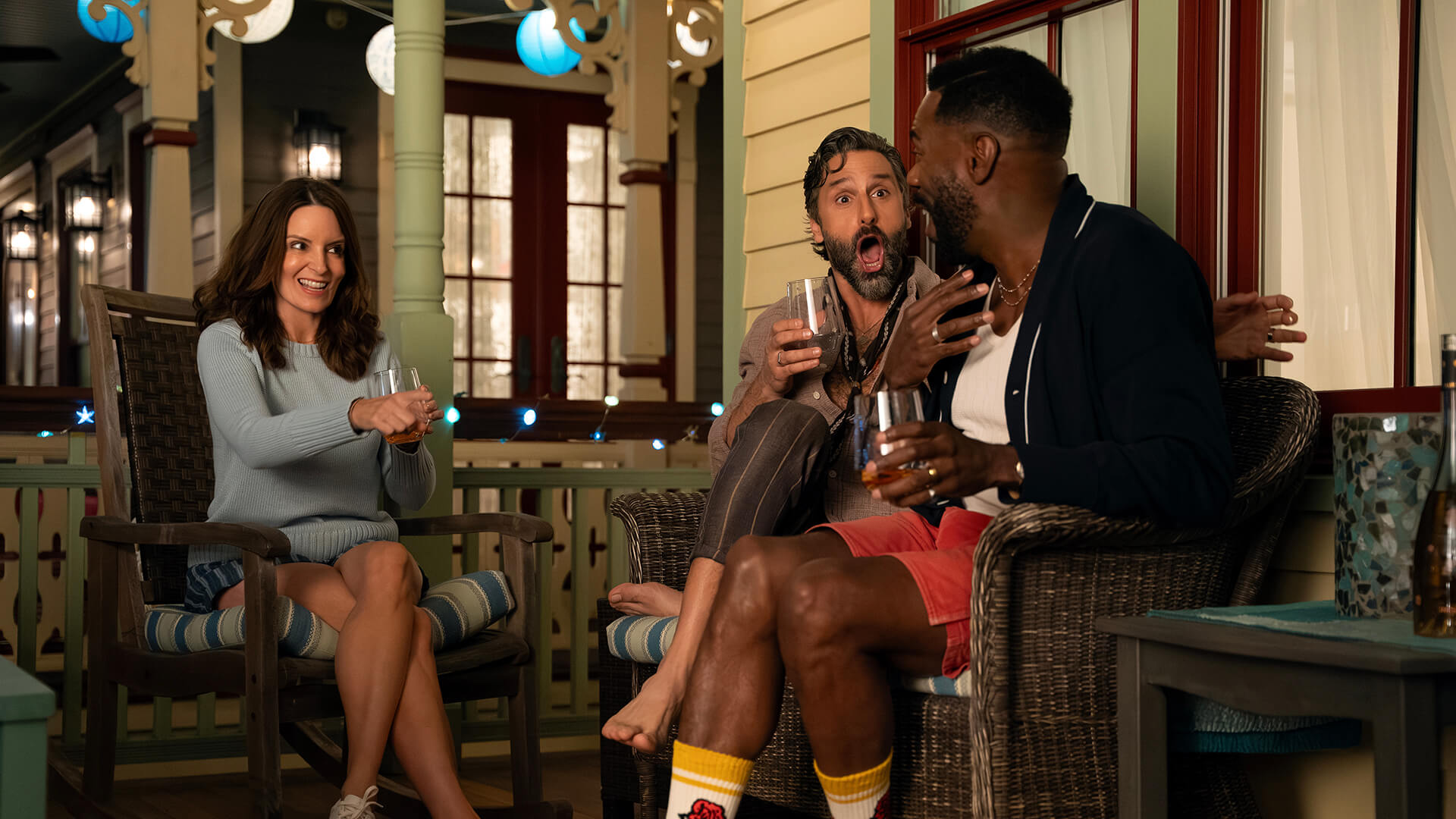
The Four Seasons is a lazy comfort watch. You’re not going to get anything meaningful out of it, nor are you going to rush to call your friends and tell them they must see this show. If anything, you’ll rush to call them to try and plan that vacation your group has been talking about for years but never got around to going on.
The comedy drama is light and airy with witty humor, reflective undertones, and a great cast. Naturally, those of a similar age to the characters on the series will get the most out of it.