
I was a teenager when Ted Kaczynski was arrested and identified as the man known as the Unabomber. He had sent or planted numerous bombs that killed several and injured many others over the span of decades. I remember the story, the image of him being walked away in handcuffs that was plastered all over the TV and newspapers at the time. What made the story so fascinating was that Kaczynski was a highly intelligent man, a mathematical prodigy. This was evident in the manifesto he sent to The New York Times back in 1995, the year prior to his capture, called Industrial Society and Its Future.
The Netflix movie Unabomber splits focus between Kaczynski’s early life as a Harvard student and the FBI’s investigation into uncovering his identity in the year leading up to his arrest. The movie has received mixed reviews thus far. But it has also sparked interest in looking back at his manifesto. While nothing Kaczynski stood for excuses the horrible things he did, the lives he took, and the people he harmed, you can’t help but recognize that much of what he said has since come true.
Unabomber Doesn’t Quite Hit the Mark
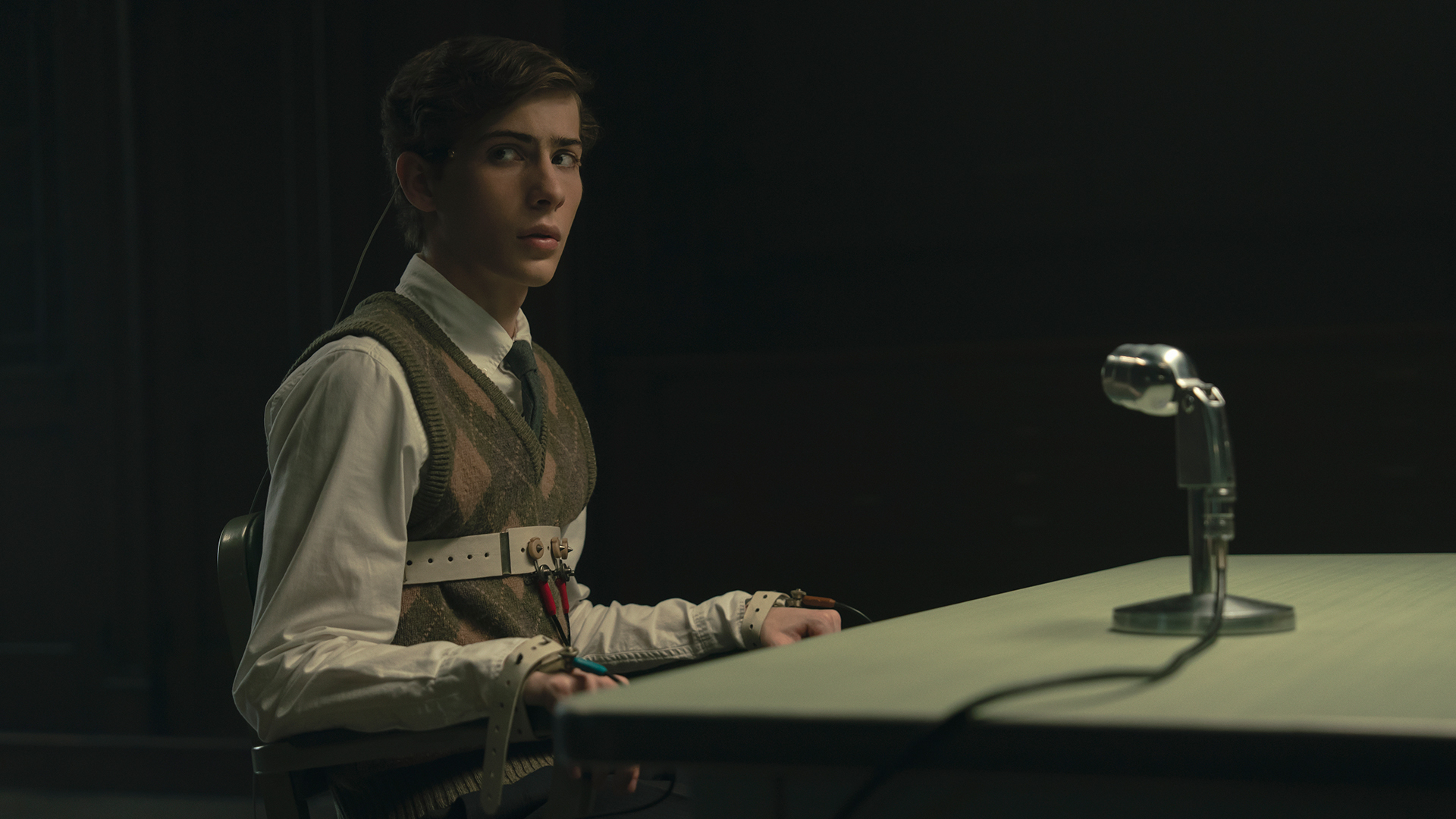
Unabomber sets out to explore two things. First is the psyche of a man who was deeply troubled with the state of the world, mostly from the perspective of him as a young university student. Second is the FBI manhunt that became one of the longest running, most expensive in the FBI’s history. The story doesn’t quite capture either in a particularly meaningful way, glossing over a lot and showing snapshots without developing a deeper story.
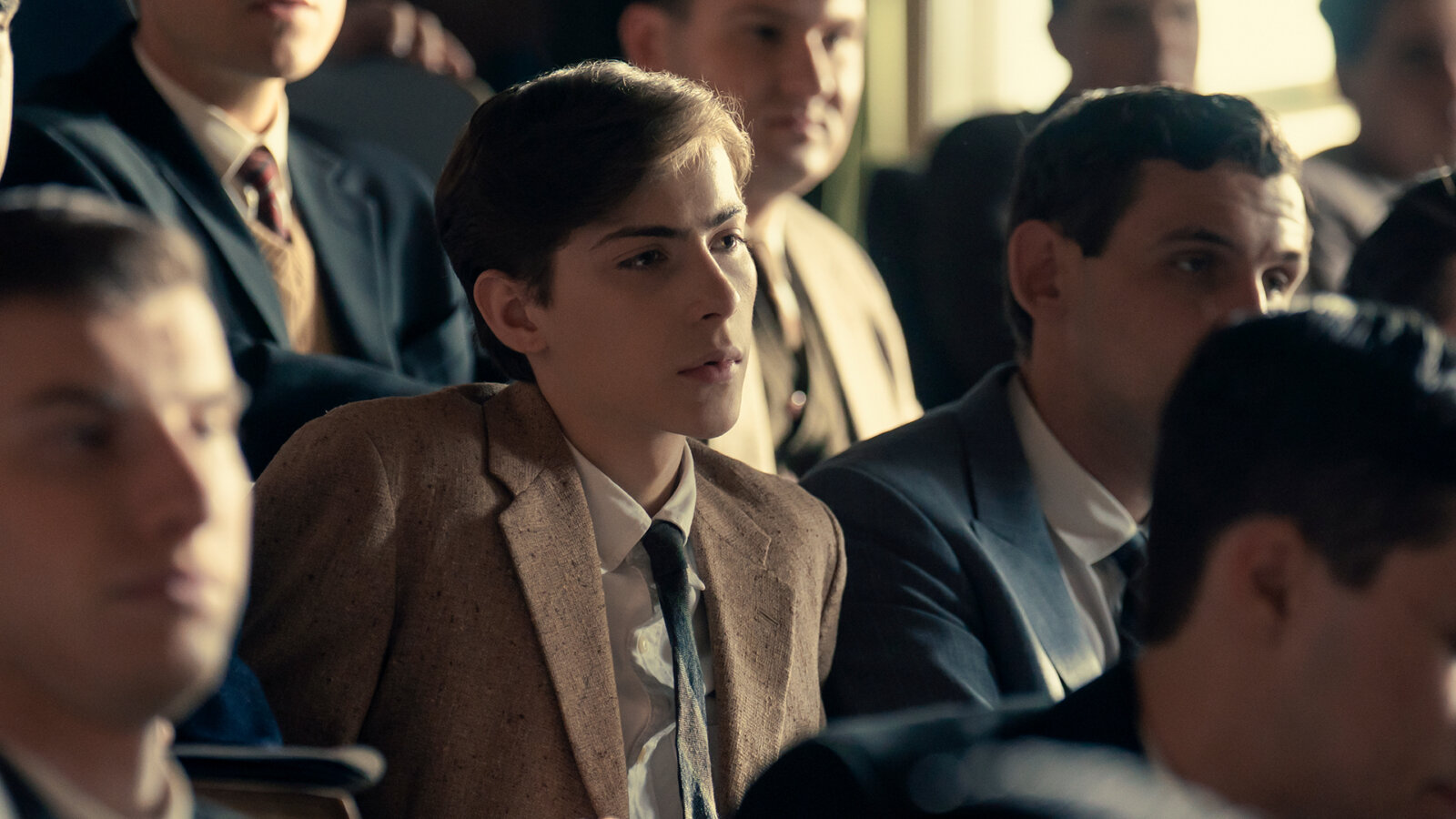
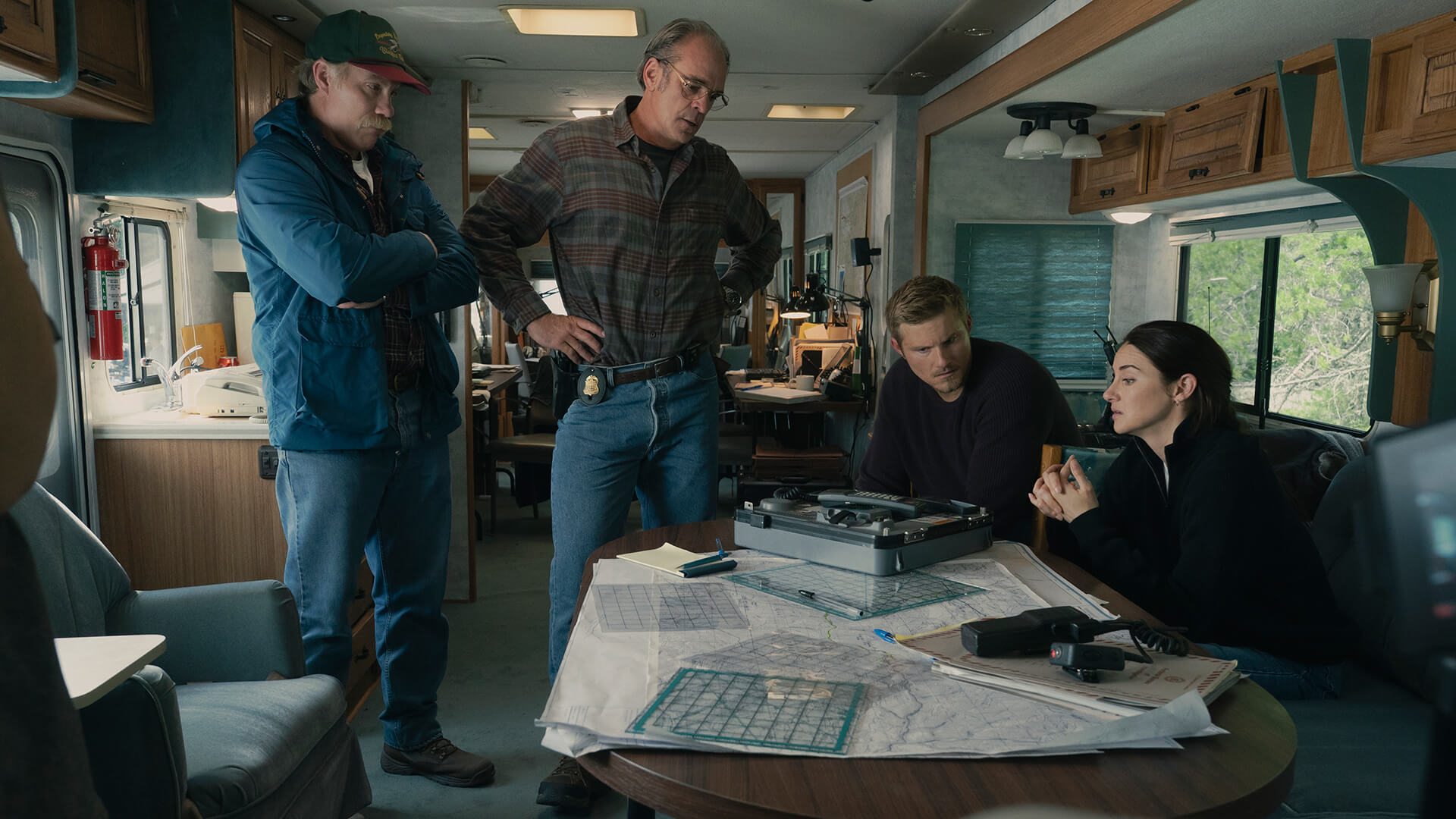
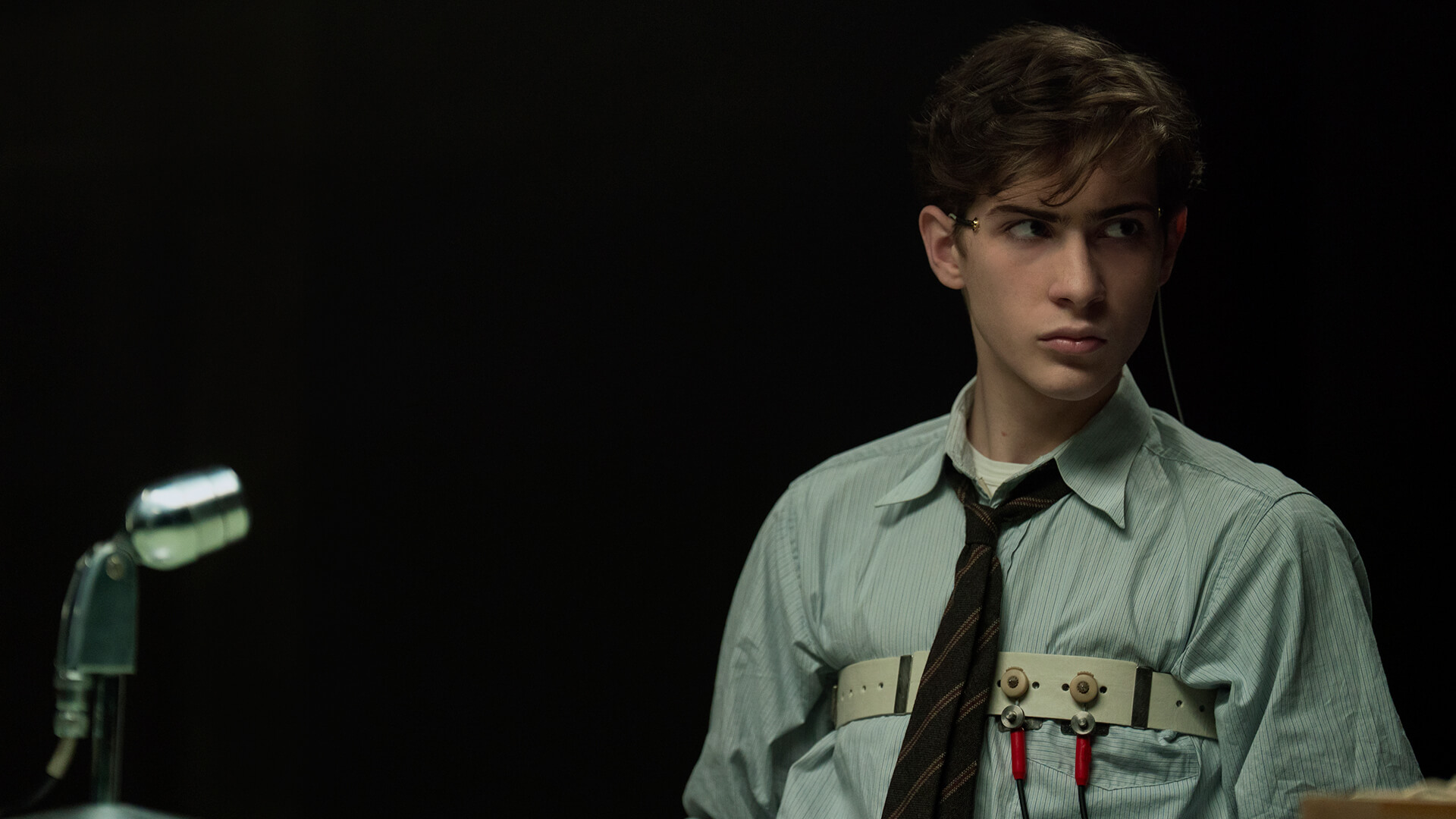
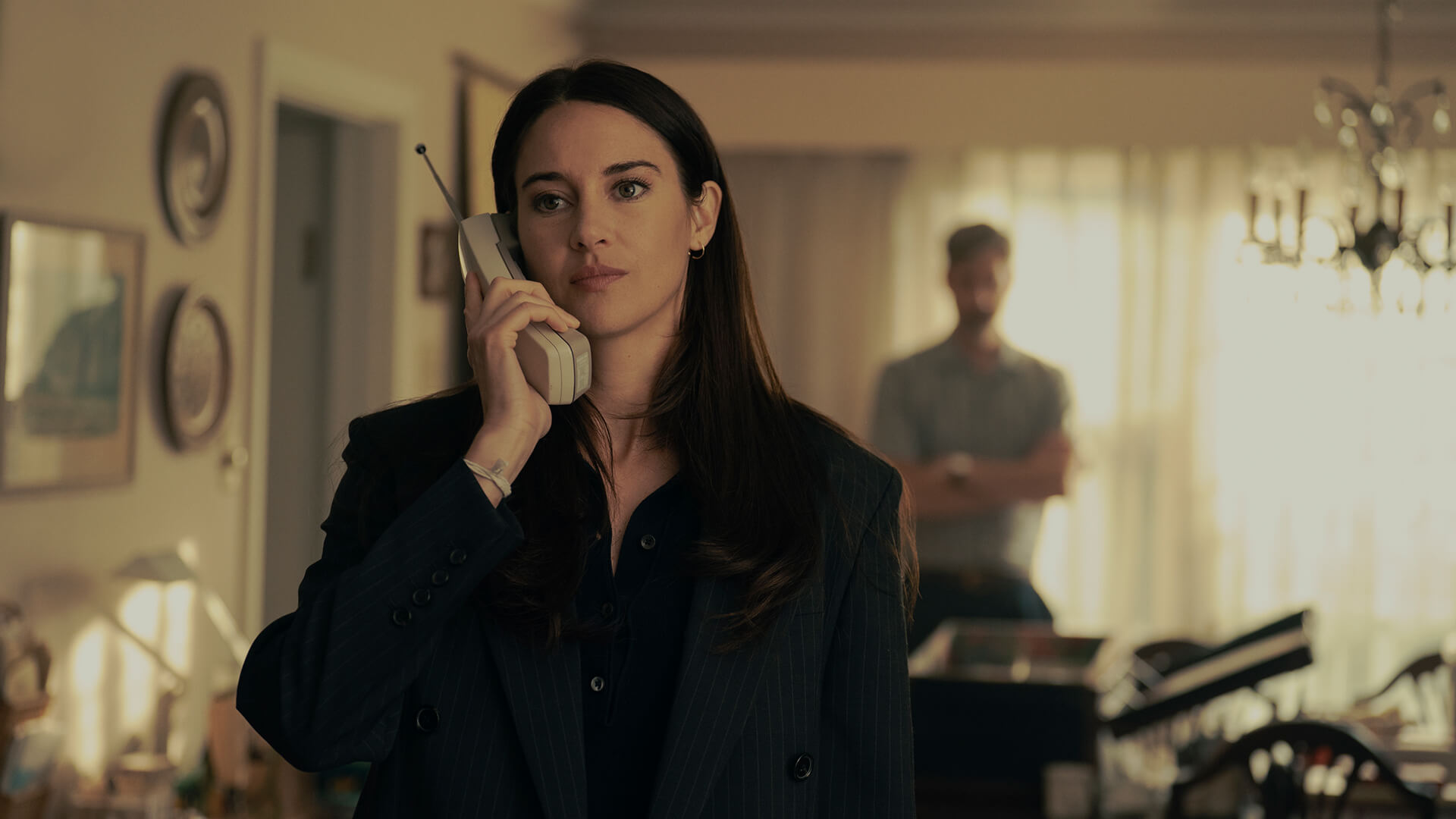
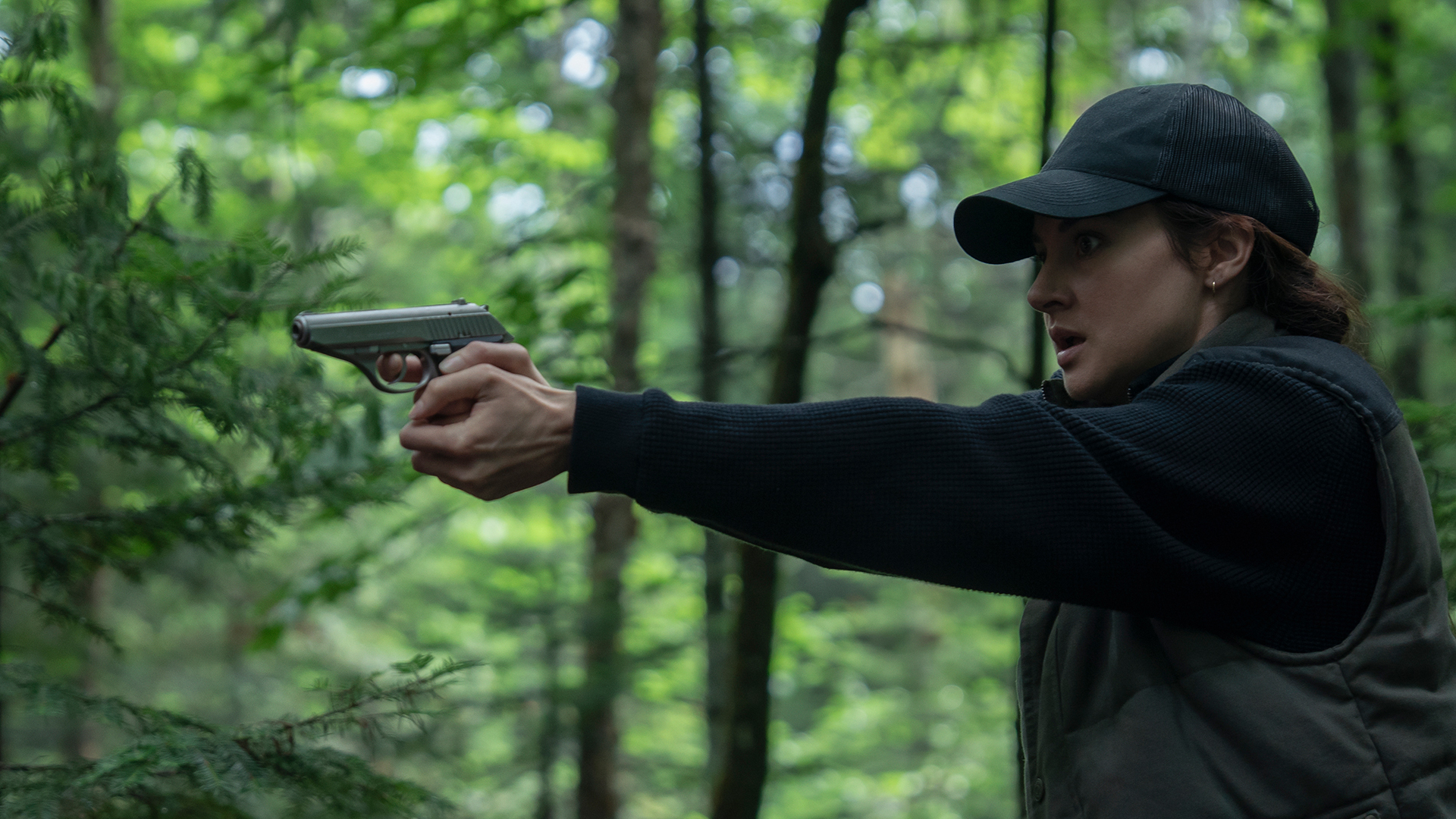
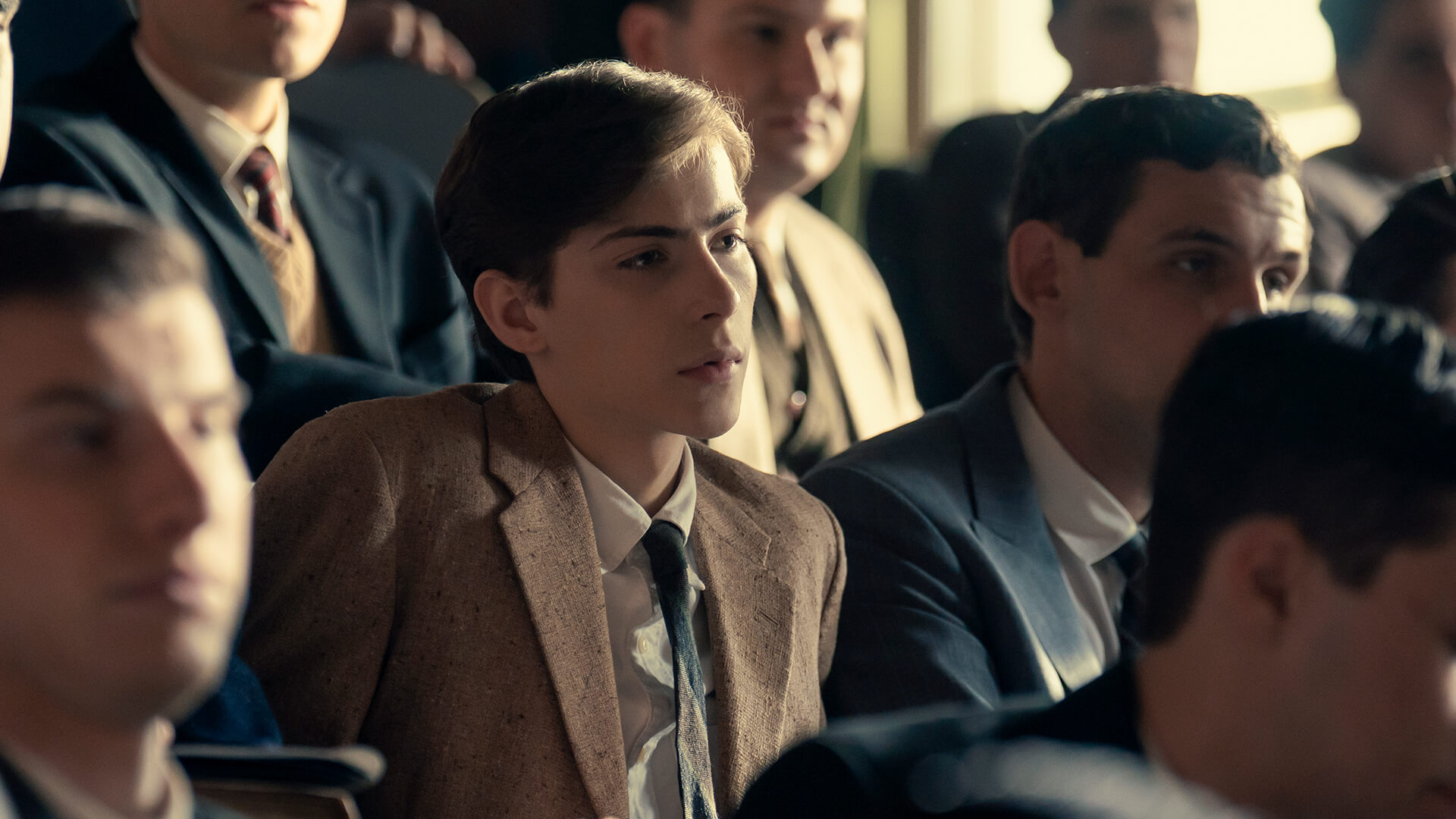
Canadian actor Jacob Tremblay does a fine job portraying a young Kaczynski as an incredibly smart but troubled student. Russell Crowe is equally captivating on screen as Henry Murray, a Harvard professor conducting psychological experiments disguised as philosophical debates in which Kaczynski participates. Shailene Woodley, meanwhile, leads the present-day storyline as the fictional FBI agent Joanne Miller. She uses her expertise in linguistics to push the idea that the manifesto and its writing style could be what leads them to identifying the killer.

In real life and in the movie, Kaczysnki’s brother David (Mathew Kevin Anderson) recognizes Ted’s prose in the manifesto and suspects his brother could be the man the FBI is looking for. The movie covers the arrival at Kacyznski’s secluded Montana cabin once he’s confirmed as the culprit and his arrest. It’s all very anti-climactic, an hour and 40 minutes that will draw you in as you wait for more yet won’t make you feel anything particularly strongly about anyone by the end.
What the film does do, however, is bring attention back to that 35,000-word manifesto about the dangers of technology. Yes, Kaczynski took things too far. There’s no question about that. And while he was never legally declared insane by the courts, independent forensic psychiatrists did diagnose him with paranoid schizophrenia. The jury is still out on the true state of his mental health. Whatever the case, Kaczynski’s intelligence was never questioned. And the manifesto is eerily predictive of today’s technological world, decades after he wrote it.
What Ted Kaczynski Wrote in His Manifesto

The Unabomber Manifesto Industrial Society and Its Future essentially declares that humans are being forced to create machines that will eventually threaten our human potential and personal freedom. Kaczysnki warns about accepting technological development as positive for society while ignoring the drawbacks and risks.
Essentially, Kaczynski argues that we are becoming slaves to technology. Never has such a phrase been so true as it is today. Most recently, society has been pushing heavily for guardrails around AI, and AI companies themselves are even sounding an alarm. For this reason, Unabomber could not have come out at a better time.
Of course, no one who agrees with all or even elements of Kaczynski’s manifesto condones his actions as the right way to address them. Hurting others did not help then and wouldn’t help now. But that doesn’t negate the fact that there’s some level of truth and validity behind his warnings.
This film may not be a riveting take on one of the biggest cases that plagued the FBI through the ’70s, ’80s, and ’90s. It’s popcorn entertainment that paints a picture of a young Kaczynski as both a victim and a villain. But its very existence is a reminder of the viewpoints that still resonate today.
The Guardian reports that Gary Wright, one of Kaczynski’s victims who managed to survive his attack (though with serious injuries), looks at the manifesto today and understands some of the concerns it posited. “I can look at [the manifesto],” he says, “and see a lot of value in saying that we have mental health issues because of social media, or gaming, or pick a thing. He kind of warned against that.”
Sean Fleming, a research fellow at the University of Nottingham, also tells The Guardian that the ideas resonate because “they seem to respond to some of the crucial problems of our time. Kaczynski talks about depression, anxiety, artificial intelligence, global warming, so many things, that so many of his concerns seem prescient in retrospect.”
That said, it’s also acknowledged that many of the ideas presented in the manifesto aren’t necessarily original ones, gleaned from other academic texts from people like sociologist Jacques Ellul. Nonetheless, Kaczynski’s framing of society is tragically spot-on in many ways.
Unabomber Falls Flat, But You Should Still Watch It
Unabomber does focus attention on parts of Kaczynski’s story the public might not know, such as those experiments he took part in at school, and even that he went to Harvard in the first place. It sheds light on the bravery of his brother, who came forward despite his reservations in turning his own brother in. And it highlights the bravery of those who orchestrated his capture. Capturing Kaczynski put a stop to horrifying acts, and that’s a story worth telling.
Kaczynski’s views were extremist, his version of society’s future like an episode of Black Mirror. But looking at the way the technological world has evolved in the last 30 years, he was on the right track in presenting concerns that have become very real today.
Technology is a wonderful thing. It has shaped our culture and has both positive and negative impacts. But we can’t ignore the negatives ones. It’s crucial to look several steps ahead and determine the moves we need to make now to secure the future for humanity, not for technology.
One of the manifesto’s quotes read as such: “When a new item of technology is introduced as an option that an individual can accept or not as he chooses, it does not necessarily REMAIN optional. In many cases the new technology changes society in such a way that people eventually find themselves FORCED to use it.”
But perhaps one of the most relevant points made in the manifesto when it comes to technology is:
“First let us postulate that the computer scientists succeed in developing intelligent machines that can do all things better than human beings can do them. In that case presumably all work will be done by vast, highly organized systems of machines and no human effort will be necessary. Either of two cases might occur. The machines might be permitted to make all of their own decisions without human oversight, or else human control over the machines might be retained.
“If the machines are permitted to make all their own decisions, we can’t make any conjectures as to the results, because it is impossible to guess how such machines might behave. We only point out that the fate of the human race would be at the mercy of the machines. It might be argued that the human race would never be foolish enough to hand over all power to the machines. But we are suggesting neither that the human race would voluntarily turn power over to the machines nor that the machines would willfully seize power. What we do suggest is that the human race might easily permit itself to drift into a position of such dependence on the machines that it would have no practical choice but to accept all of the machines’ decisions. As society and the problems that face it become more and more complex and as machines become more and more intelligent, people will let machines make more and more of their decisions for them, simply because machine-made decisions will bring better results than man-made ones.”
If nothing else, it’s food-for-thought. This movie might not be great, but it’s a reminder of this manifesto written by a man who took things way too far, but that you can’t help but accept had important things to say. Despite his methods and actions, encouraging reflection on these writings and applying them to the state of the technological world today is the best thing to come out of this movie’s release.