
For anyone who has ever attended CES in any capacity, you know the beast of a show that it is. In the last several years, the beast has grown as more exhibitors opt to set up shop in off-site suites, ballrooms, and as part of media, pre-show, and evening showcases. It’s a three-day show that as a journalist, requires six days of coverage to catch all the preview events. It’s almost a necessity to do so because fitting every company, person, and product you need to see into just three days during the busiest times of the show is near impossible. Nonetheless, it was a fantastic show this year that set the stage for what’s to come in the technology space for 2026 and beyond. With several days now passed since I returned home, and finally over the dreaded CES flu, it’s a good time to reflect on some of the trends and observations this year.
Colour is the New Definition for TVs
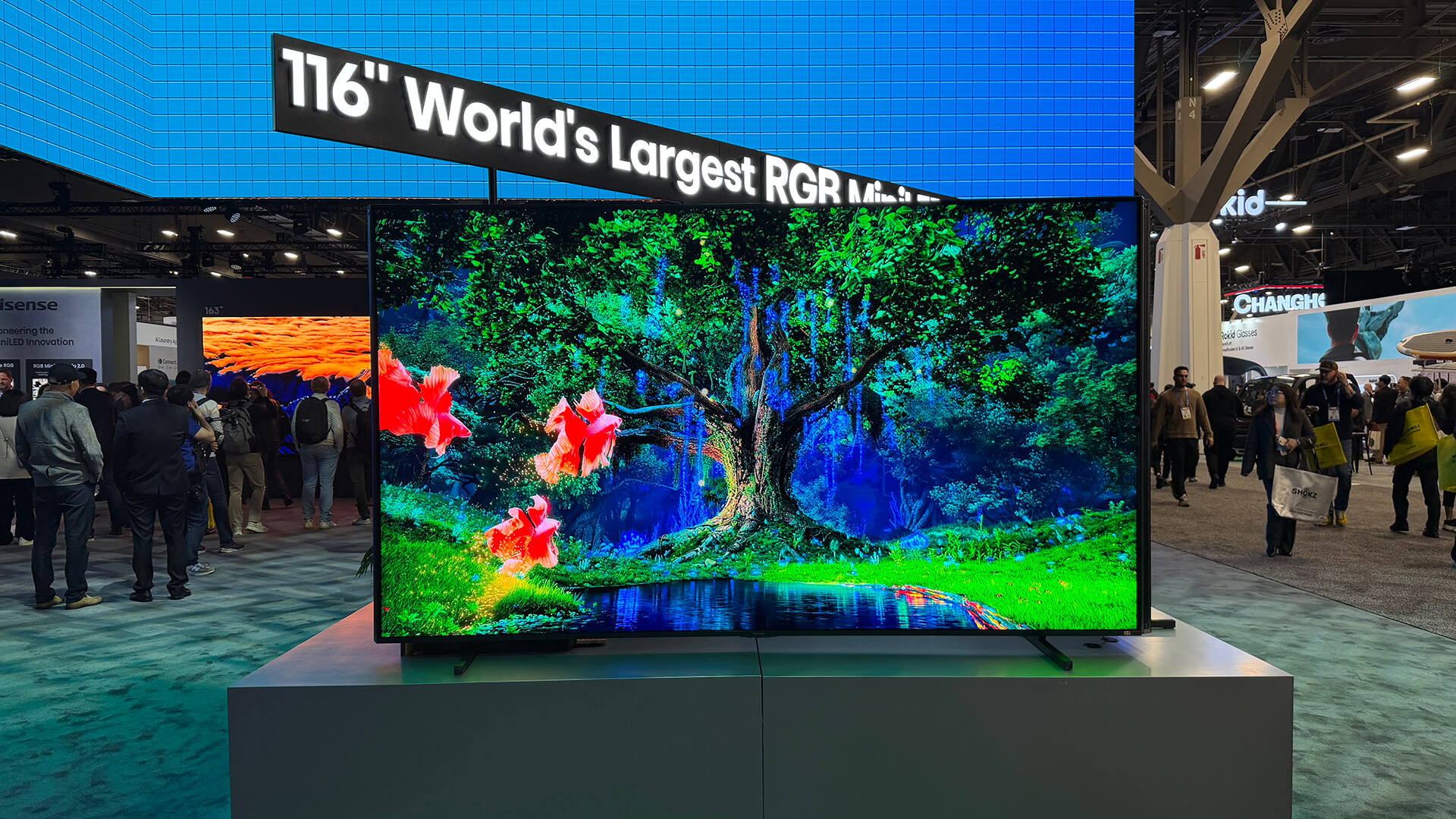
I was at CES during the years when the biggest debate in TVs was plasma versus LCD. Then, it was all about resolution: HD, full HD, 4K, and now 8K (though 8K was a mere whisper on the show floor). TV types like LED, QLED, QNED, and OLED became the focus, then we shifted to miniLED, microLED, and now microRGB. Essentially, this is a variation on traditional LED that eliminates colour filters and replaces them with tiny, individual red, green, and blue LEDs. The result is better colour reproduction with hues that are true-to-life, vibrant pictures, and better brightness.
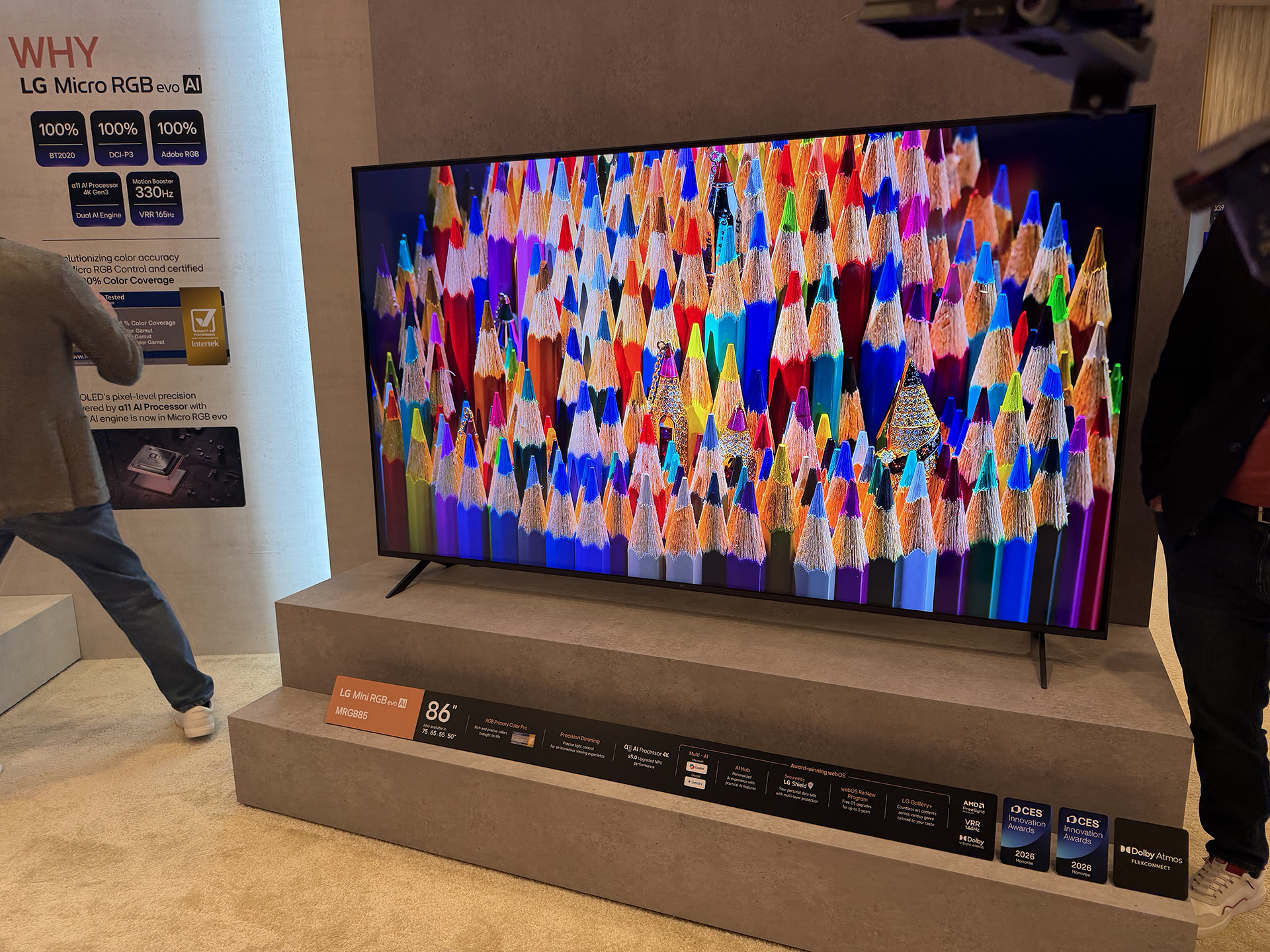
Every TV brand continues to offer other options as well, including miniLED, OLED, and even TCL’s SQD. But microRGB was the buzzword in displays.

The reality is that as good as microRGB looks, OLED is still the top choice if you want the best of the best. Nonetheless, it’s a step-up option that is worth considering if you’re in the market for a new big-screen TV and don’t want to fork over thousands for an OLED. And every major brand, like Samsung, LG, and Hisense, is focusing its attention on this technology, each with its own approach.
Health Tech Transcends Wearables
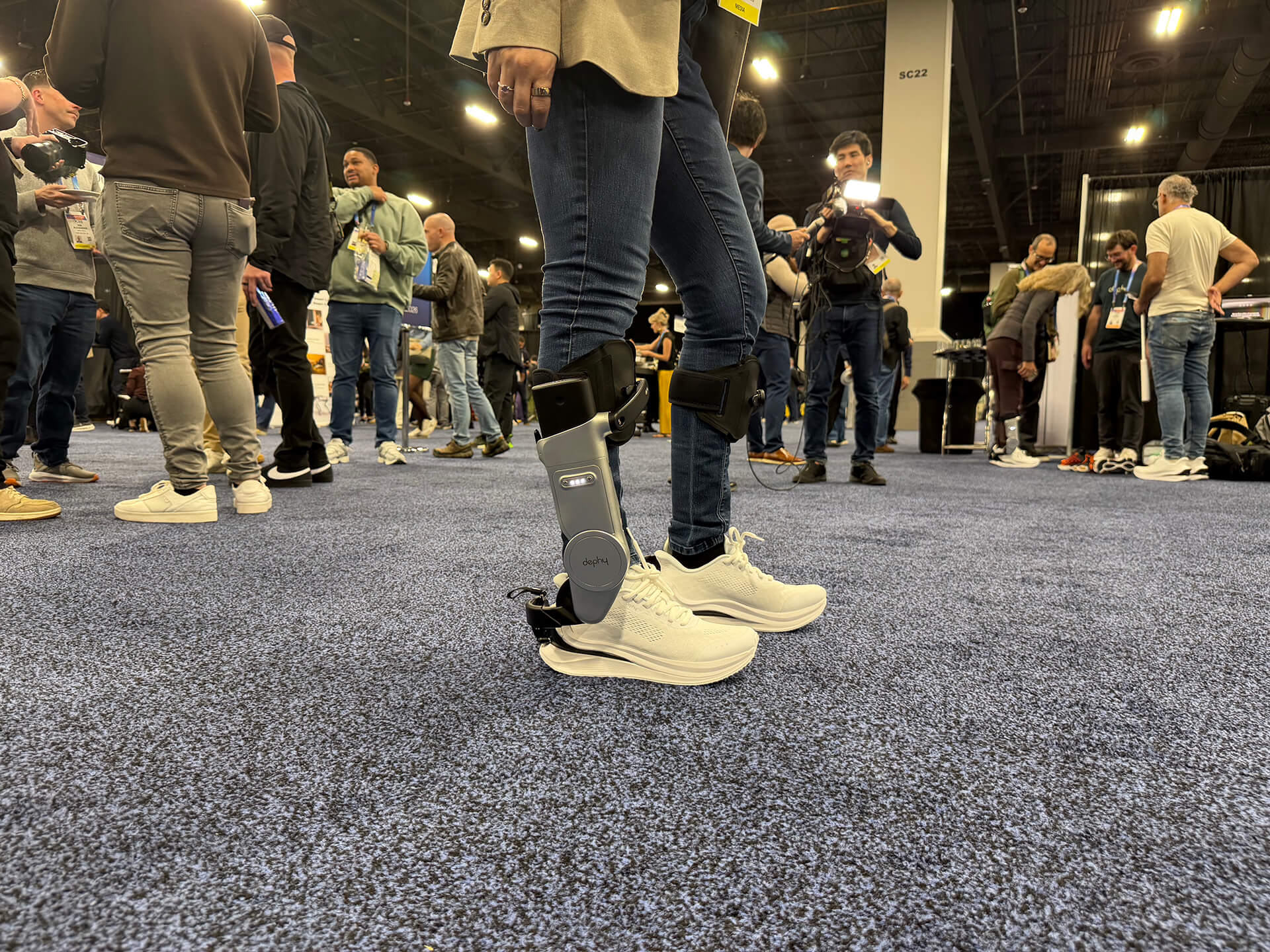
Health tech has been evolving over the last arguably decade. I’ve seen products, both prototype of saleable, that can check for respiration, body composition, even glucose. The category expanded even further this year, with a focus on a whole new type of wellness. Consider that brands like Ultrahuman didn’t feature much hardware at its booth, but rather highlighted its innovations in AI-driven health insights. Garmin didn’t have any new smartwatches to show (the company did have a presence in the vehicle tech exhibits) but did inform of the new nutrition tracking feature in its app. Luna, which makes the Luna smart ring and the new Luna Band smart band, centered its demo with me on the upcoming updates to the LifeOS software. Other devices were designed to assist in mobility. The Dephy Sidekick shoe I tried out connects to a contraption that clips around your shins to help propel you forward as you walk, sort of like an electric bicycle for your legs. I love seeing this type of innovation that has benefits that can really make a difference in someone’s life. It’s not health tech for the sake of health tech, with watches delivering passive reports about your vitals. It’s about products designed to help prevent injuries, detect illnesses or potential problems before they become so, and encourage proactive care.
Robot Home Care and Cooking is Evolving
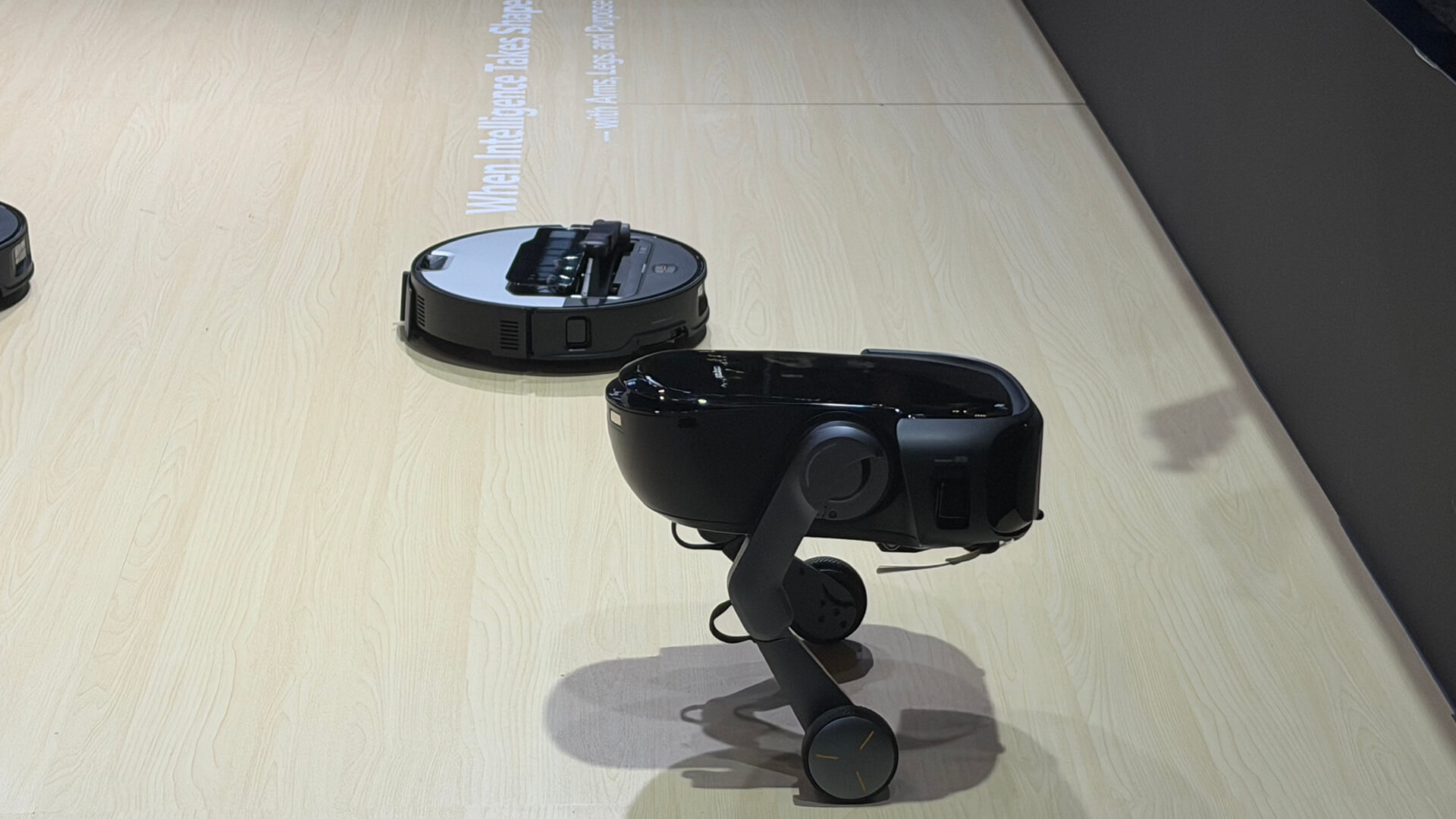
I went into CES 2026 fully expecting to see tons of robot vacuums. Dreame and Roborock turned heads last year with products that have built-in arms that can pick items up off the floor, even put them away. But the newest developments were intriguing. Roborock, for example, has a vacuum that can not only climb stairs but also clean them. Dreame has a similar innovation, though it’s a chassis the traditional circular robot vacuum scoots into that can then ascend and descend stairs, bringing the vacuum to another level. Eufy has one with a built-in scent diffuser so you can clean your floors and deodorize at the same time. And Samsung’s newest model can detect not only liquid, but coloured versus transparent liquid.

Beyond these, however, I was surprised to see so many companies expanding to the outdoors with robot lawnmowers. The number of robot pool and window cleaners as well was shocking. Once upon a time, these products were only available through a single company each. None of these niche robot cleaners are inexpensive. But can you put a price on your time?
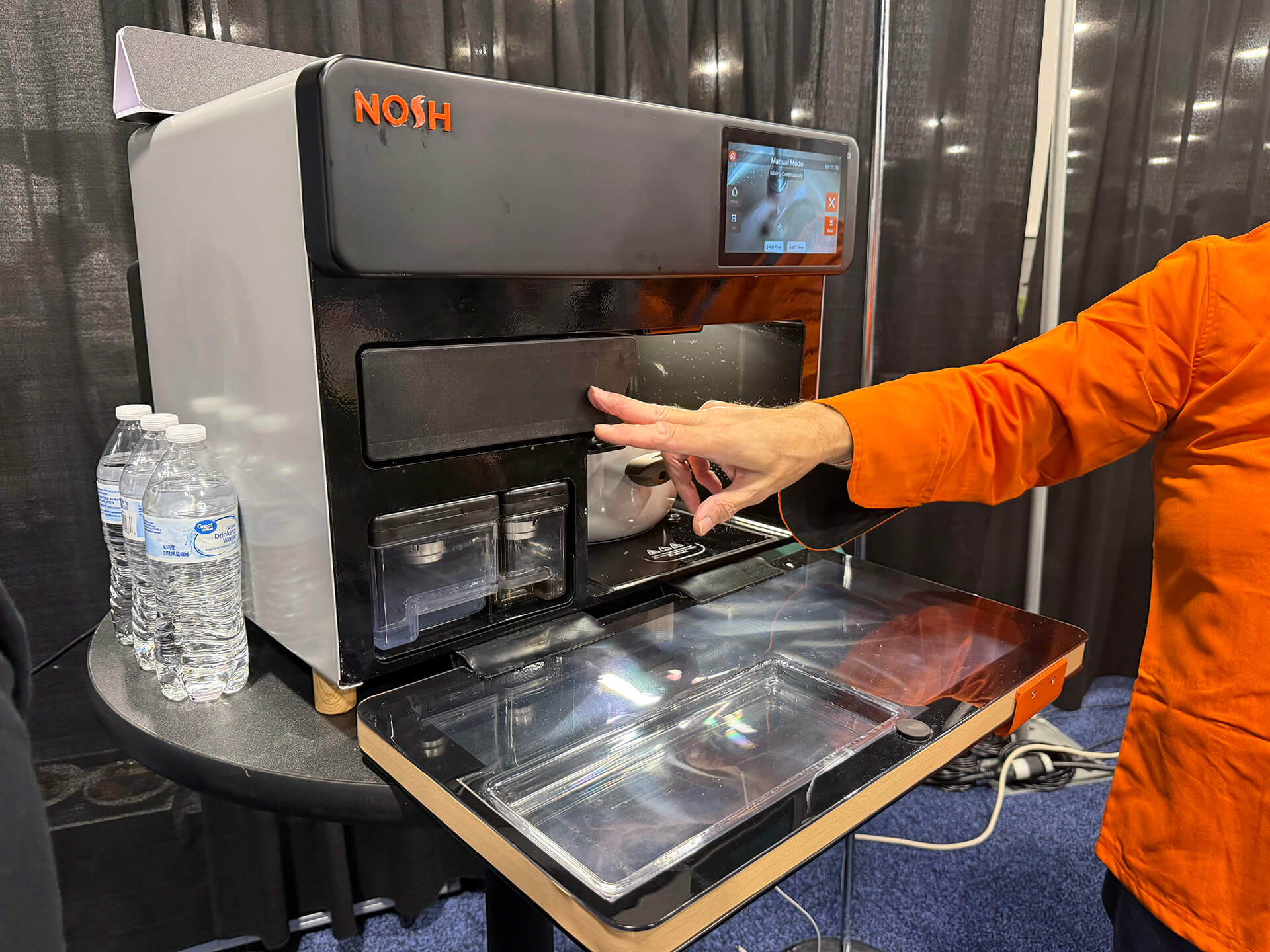
Naturally, the overall trend here is to help automate tasks in the home. This extends to the kitchen, too, with AI cooking machines designed to make the process of getting dinner on the table simpler. There’s the Nosh AI Robo Chef that basically handles everything but the prep for you, measuring, adding, and timing ingredients to make the meal for you, Emerson voice-controlled air fryers that work offline thanks to built-in voice command recognition, and microwaves that can detect what you put inside and cook dishes to perfection, even if different items on the plate require different temperatures and cook times.
AI Helping Us Do Less of the Mundane
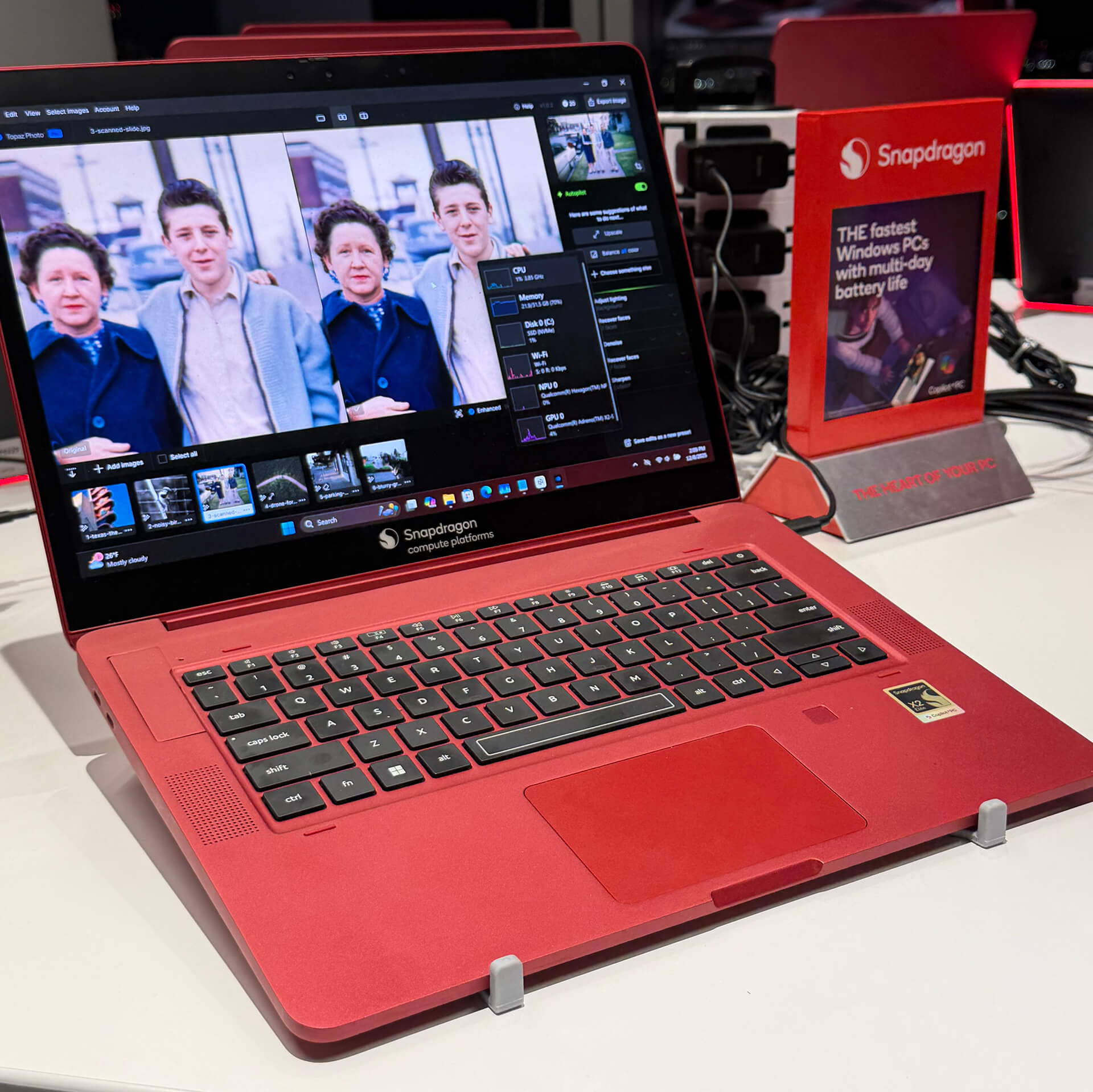
That leads to the next big trend, which is devices that help us do less of the mundane tasks so we can presumably focus on what’s most important. This certainly applies to the aforementioned home care space: I even saw robots folding laundry! But it applies across every facet of technology, with AI as the central driver.
Think the latest laptops with powerful on-device AI processing so you can create stunning presentations, graphics, even get help composing an e-mail or resume to save time. Smart TVs can do things like provide real-time translations so you can enjoy content in a native language and personalize a homepage so you get tailored content and recommendations on a dashboard.
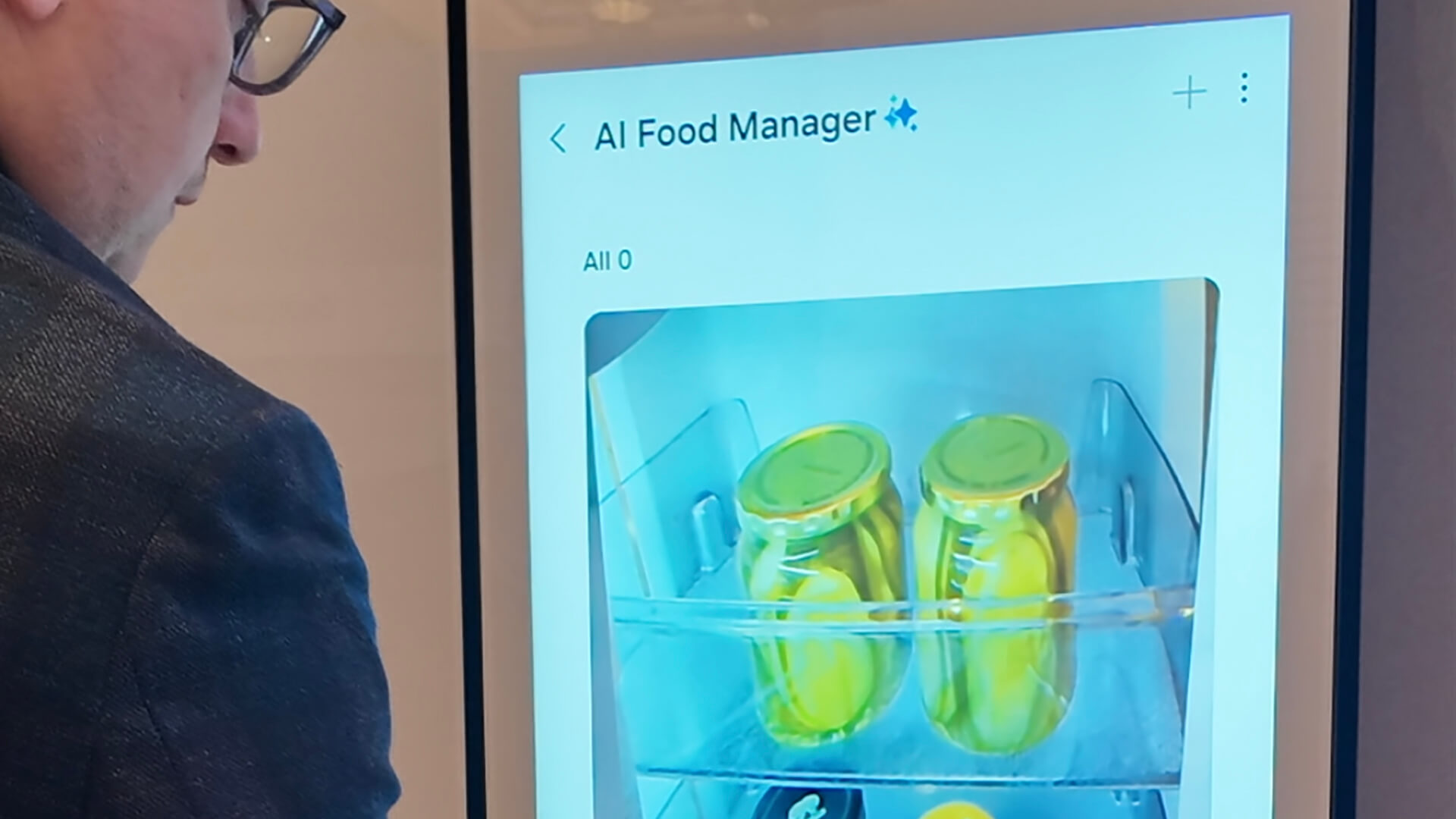
The same happens with smart appliances that can talk to one another, even the TV, so when you call up a recipe on the fridge, the oven automatically starts to preheat and the TV plays the YouTube instructional video.
One could argue that a byproduct of AI is removing creativity from the process. I want to be able to write my own e-mails and not rely on AI. I like cooking and experimenting with recipes (the cleanup part, I’ll happily hire a robot to handle!) But in some cases, there are practical benefits that go beyond cool factor and, quite frankly, encouraging laziness. Trying to navigate PowerPoint or Google Slides to create a bar chart or graph can be a painstaking process, and it isn’t something people will need to know how to do down the line. Why not let AI take over that part so you can focus on analyzing the data in the graphs and adding more flavour to your presentation? AI in vehicles that can help prevent accidents and distractions is a great thing. AI that analyzes your health markers to warn you if it notices something is amiss is great news, too.
Not everything about AI is bad. But there’s far too much focus on it right now, sometimes AI just for the sake of AI. I can’t blame companies for wanting to jump on the bandwagon, touting the two letters like a badge of honour at their booths and in marketing and media materials. But it dilutes the appeal when it becomes so pervasive. Nonetheless, expect that everything from your computer to your phone, your TV, speaker, even appliances, will have “AI” this year.
Modularity and Personalization are Key
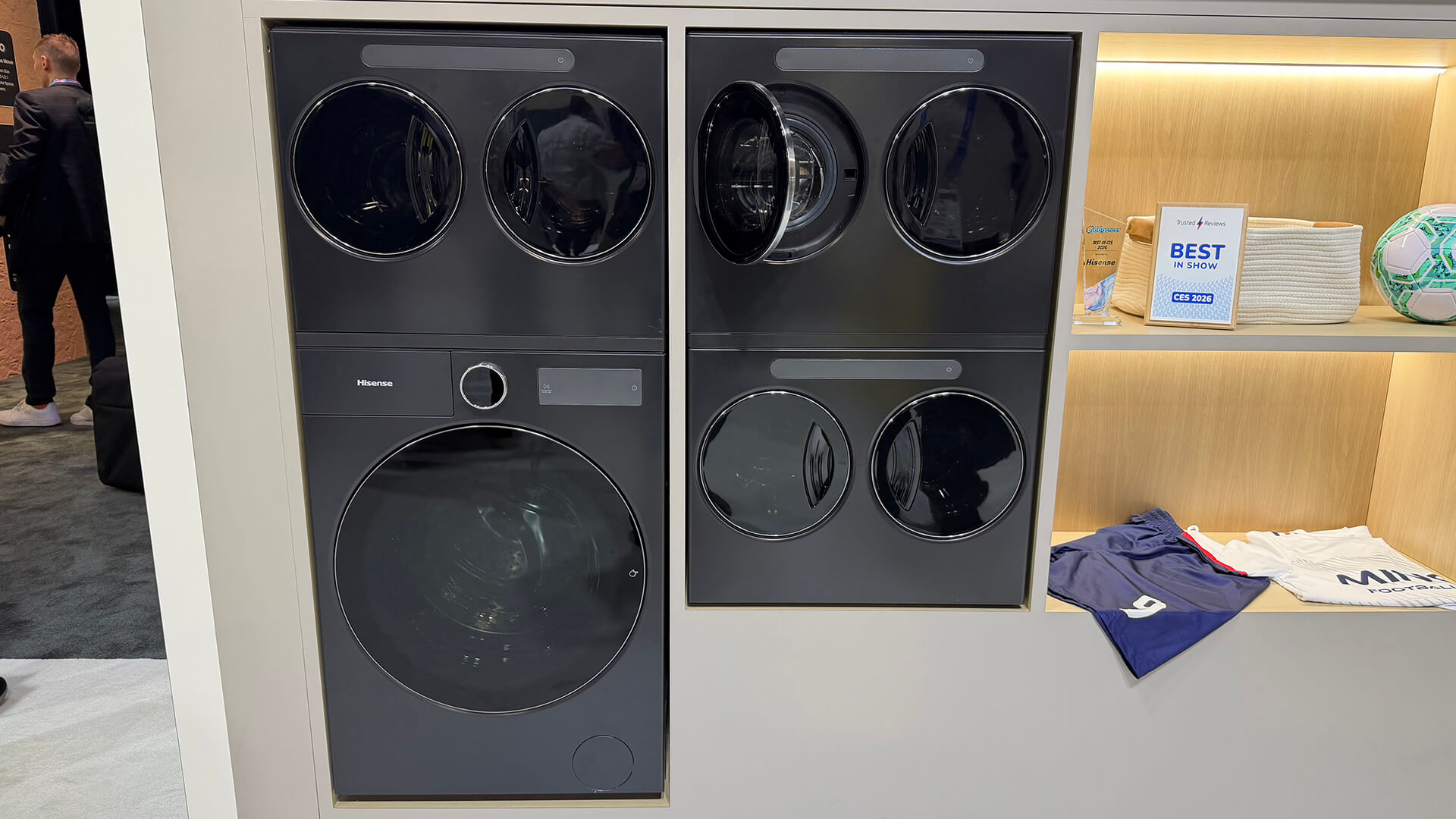
It’s incredible how many different companies showcased modularity in their products, designed to customize an experience to each customer and household. It was as large-scale as Hisense’s X-Zone Master laundry system that consists of several small washer/dryer units you can position together to do smaller loads all at the same time, to as simple as Rolling Square’s InCharge Life cables that come with an adapter so you can modify the length to your use case.
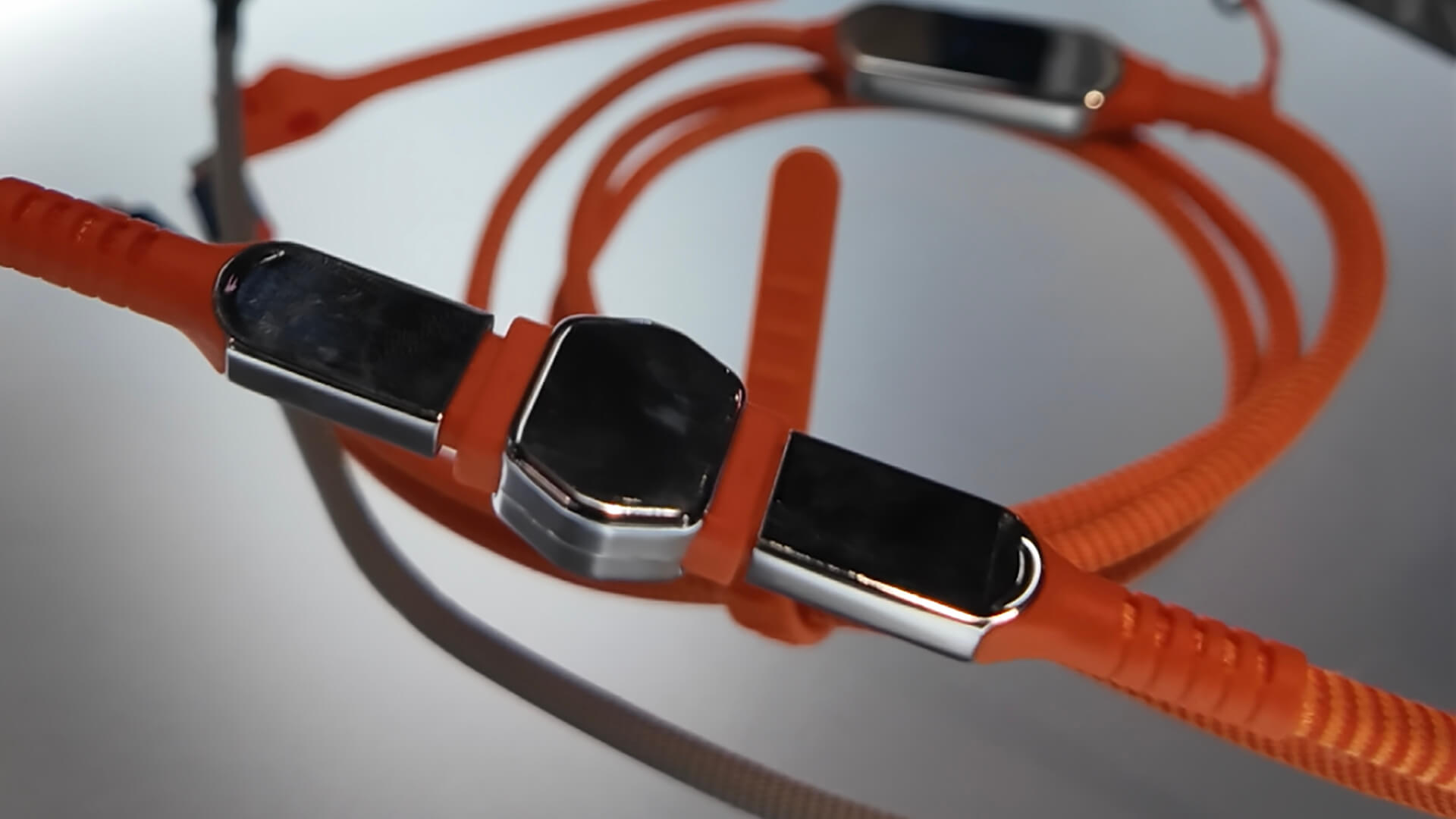
In both these instances and more, including everything from personalized dashboards on a smart refrigerator or smart TV to AI assistants that recognize your voice, the theme is the same: offering an experience that feels like it’s uniquely for you. If AI was the big buzzword of the show this year, personalization was a close second.
The Robot Takeover
Finally, robotics became such a big category this year that it occupied pretty much all the North Hall of the Las Vegas Convention Center. I didn’t get a chance to walk through the exhibits until the last day of the show. By then, some of the flashiest demonstration had already been taken down. But what I did see was one part impressive, one part confusing, one part terrifying. Robots were deftly picking up items, filling containers then sending them down a makeshift assembly line. They were folding and stacking laundry, lifting weights, taking photos, playing chess with humans, even playing piano.
Many of these robots are concepts, but the idea is to showcase the level of intelligence, dexterity, and potential in real-world scenarios. Admittedly, this presents a future where the feared “robot takeover” seems closer than ever, jobs that aren’t overtaken by AI potentially replaced by physical robots (with AI). But as long as humans are still behind the scenes running things, these robots may have a viable place in the world to help some people in some ways as needed, not desired. Based on what I saw at CES, robotics has evolved leaps and bounds from even last year.
What did you enjoy seeing at the show, whether you were in attendance or watched from afar via news coverage? Review all the biggest announcements from CES 2026. Check out videos from the CES 2026 show floor. Follow @christineTechCA on Instagram and TikTok for more about CES and tech in 2026.