
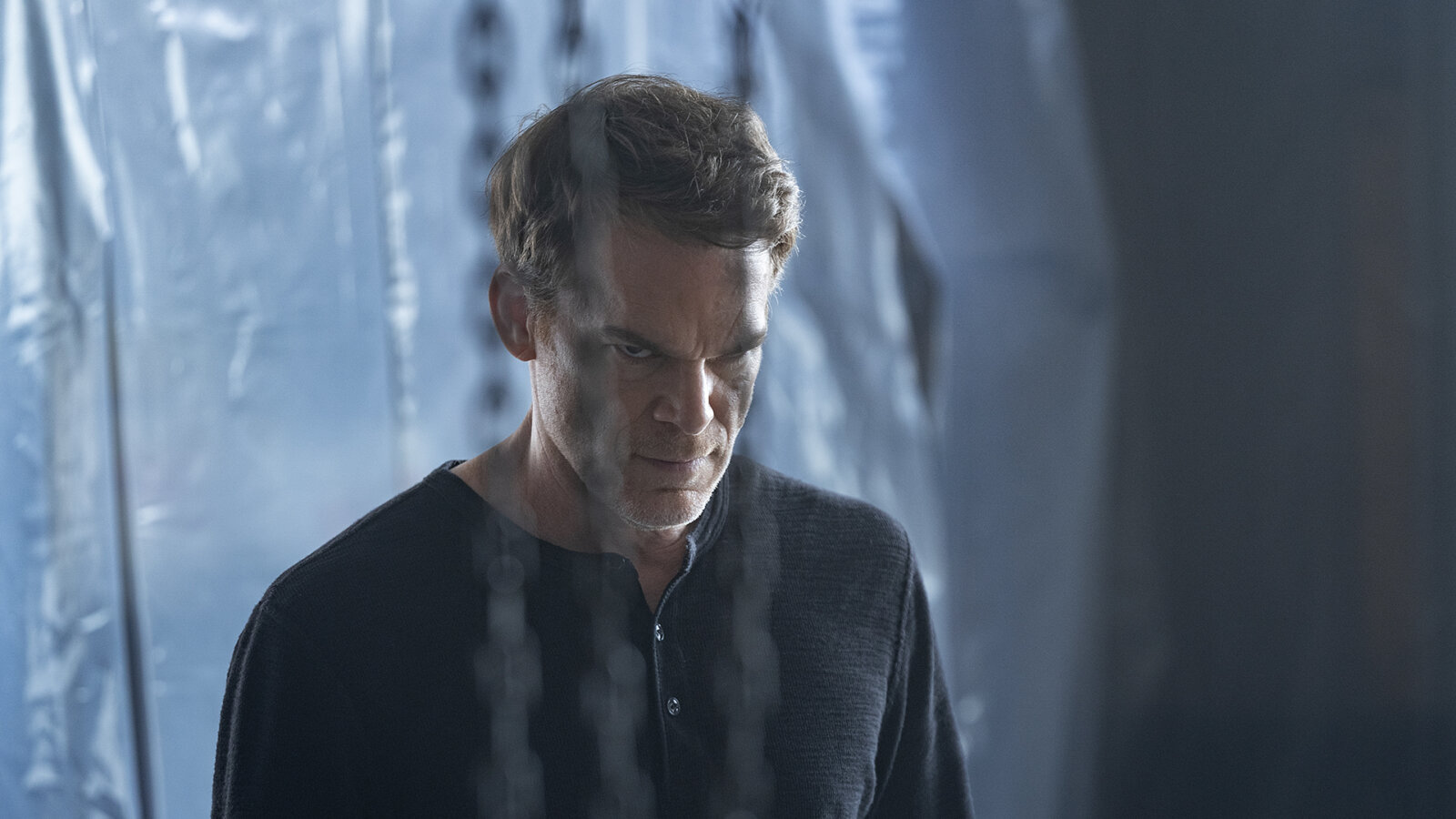
Decades later and Dexter remains my favourite show of all time. So, to see the original opening sequence return for the sequel series Dexter: Resurrection, complete with a fitting refresh, was an instant delight. It’s one of the most iconic TV show intros of all time, and a reminder that Dexter Morgan (Michael C. Hall) is far from done with his vigilante murderous work. But he is facing his biggest adversary ever in this season, midlife.
Dexter is not as spritely as he once was. He even has a few “OK, Boomer” moments (for the record, he’s a Gen-Xer). Taking down killers is not as easy. He needs glasses now just to see his phone. And he’s reflecting on his life and pondering answers to the age-old questions: “how did I get here?” and “what’s it all for?” It’s an exciting start to a season based on the first two episodes provided for screening. They’re jam-packed with set-ups for what’s likely to be a hugely entertaining, edge-of-your-seat story to come.
The Father, Son, and the Unholy Ghost of Time

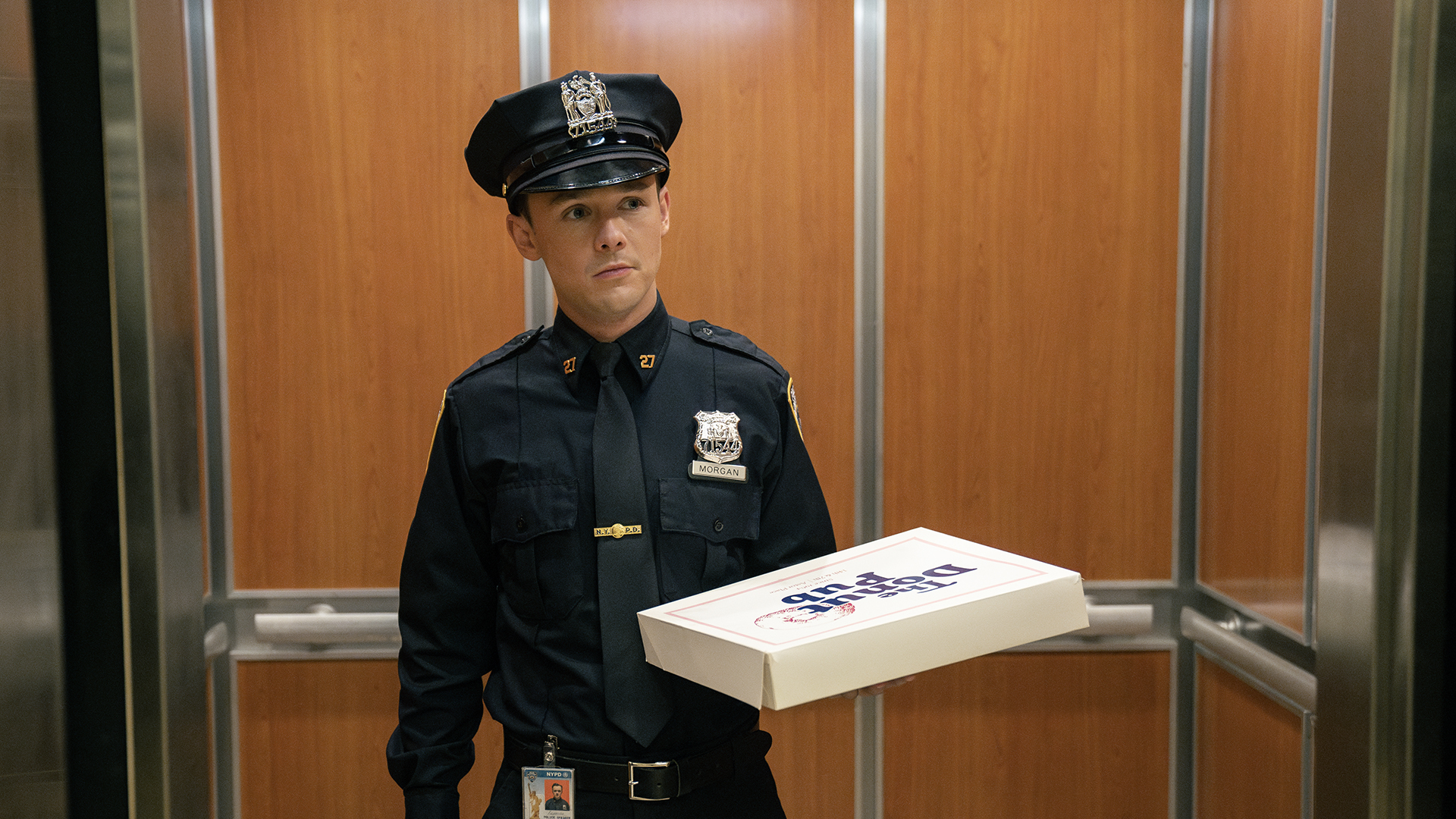
Three years have passed since the end of Season 1 (Read my Dexter: Resurrection Season 1 review). Leon Prater (Peter Dinklage) is long in the rearview mirror. Authorities continue to hunt down the billionaire they believe is on the run when he’s really at the bottom of the New York Harbor. Harrison (Jack Alcott) has successfully completed training and is a newly minted police officer. Like his grandfather and aunt, he has been assigned to the homicide division. This could work either in Dexter’s favour or against it.
As for Dexter, he’s trying to find his footing. He is still working as a rideshare driver. He makes ends meet using money from the sale of his Iron Lake home and whatever he managed to get from Prater. His son is grown, and Dexter is alone, his only companion his thoughts manifested through Harry (James Remar). Remar does a wonderful job talking his son through his emotions. It’s puzzling, though, since Dexter does not really feel these like normal people do. Or does he?
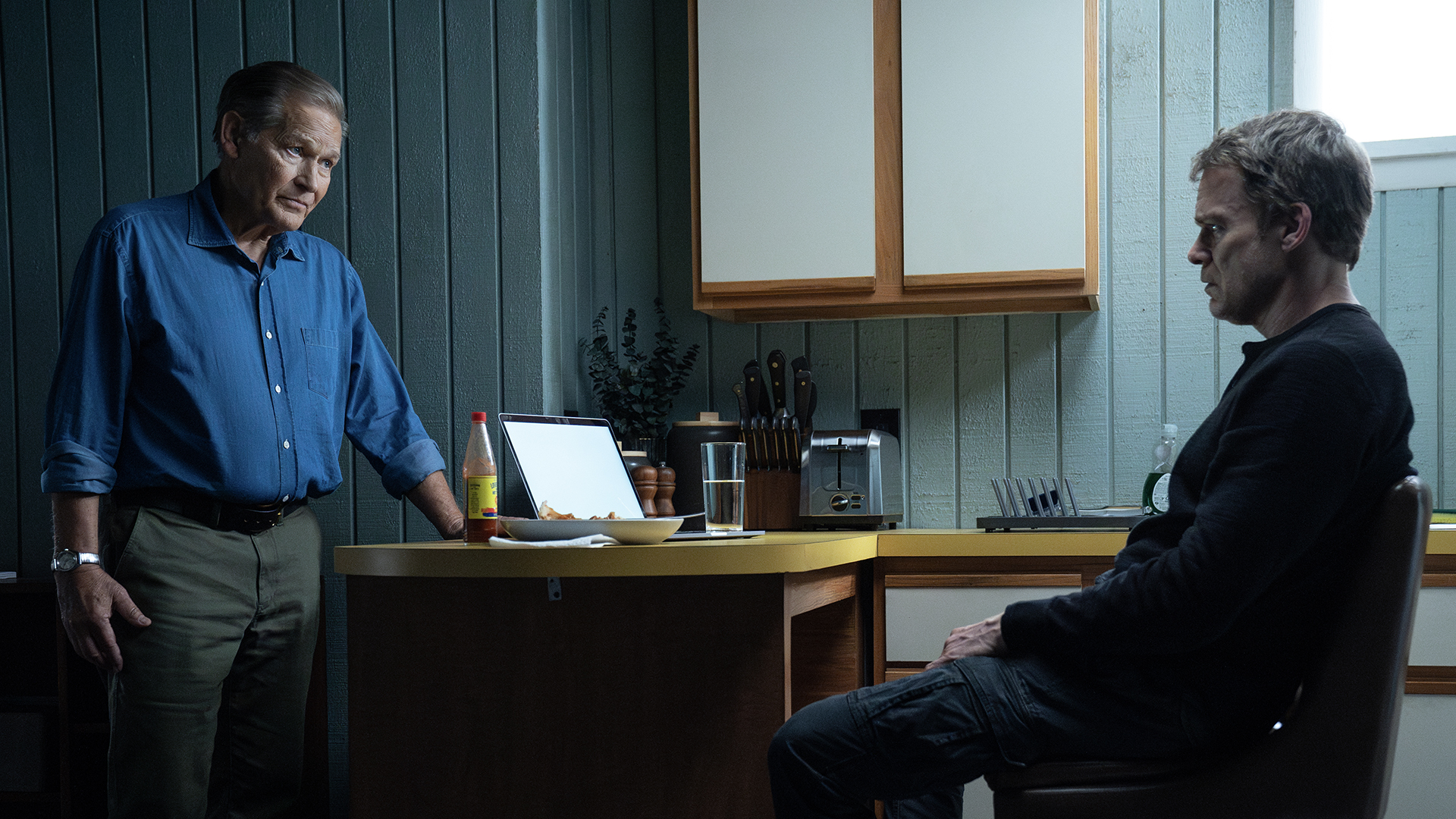
Dexter’s inner narration suggesting that he’s feeling a sense of inadequacy in work and life this season is contrary to everything we know about psychopaths. Then again, as Dr. Evelyn Vogel (Charlotte Rampling) pointed out in the original series, Dexter isn’t like other killers. His darkness may have been solely unlocked from childhood trauma and is not necessarily innate. The fact that he’s having his own version of a midlife crisis confirms Dexter is more like “normal” people than he realizes.
One trait he is finally feeling that is typical of psychopaths, however, is a need for recognition. After decades of performing his own version of vigilante community service, no one knows his identity. The Bay Harbor Butcher is believed to be someone else. He was never showered with praise for ridding the streets of murderers, rapists, kidnappers, drug peddlers, and other nefarious individuals. Dexter Morgan is just a former blood spatter analyst who moved to the Big Apple for a fresh start and is now living a quiet, semi-retired bachelor life. For the first time ever, Dexter is bothered by this. He wishes for the spotlight, the glory, the very things that endanger his freedom.
A Set Up For the Action to Come
Nonetheless, he keeps trucking on. He has been working his way through Prater’s active killer files, always on the prowl for his next victim whenever the compulsion hits. But the ritual has started to get away from Dexter, much like an aging carpenter may not work as precisely as he once did. The army green “kill shirt” and cargos haven’t been around for a while. And taking down strapping, fit young men is not as easy in his 50s as it was in his 30s. Dexter is coming face to face with the fact that he isn’t unstoppable but rather, well, human. Eventually, everyone’s bodies start to break down. Yes, even killers.
This season, we see the toll this realization is taking on Dexter. It’s not just with creaky bones and a sore shoulder like in Season 1. He’s wracked mentally and physically by this self-awareness. So much of the focus is on Dexter dealing with midlife challenges. But a few other characters, both new and returning, are already standing out this season.
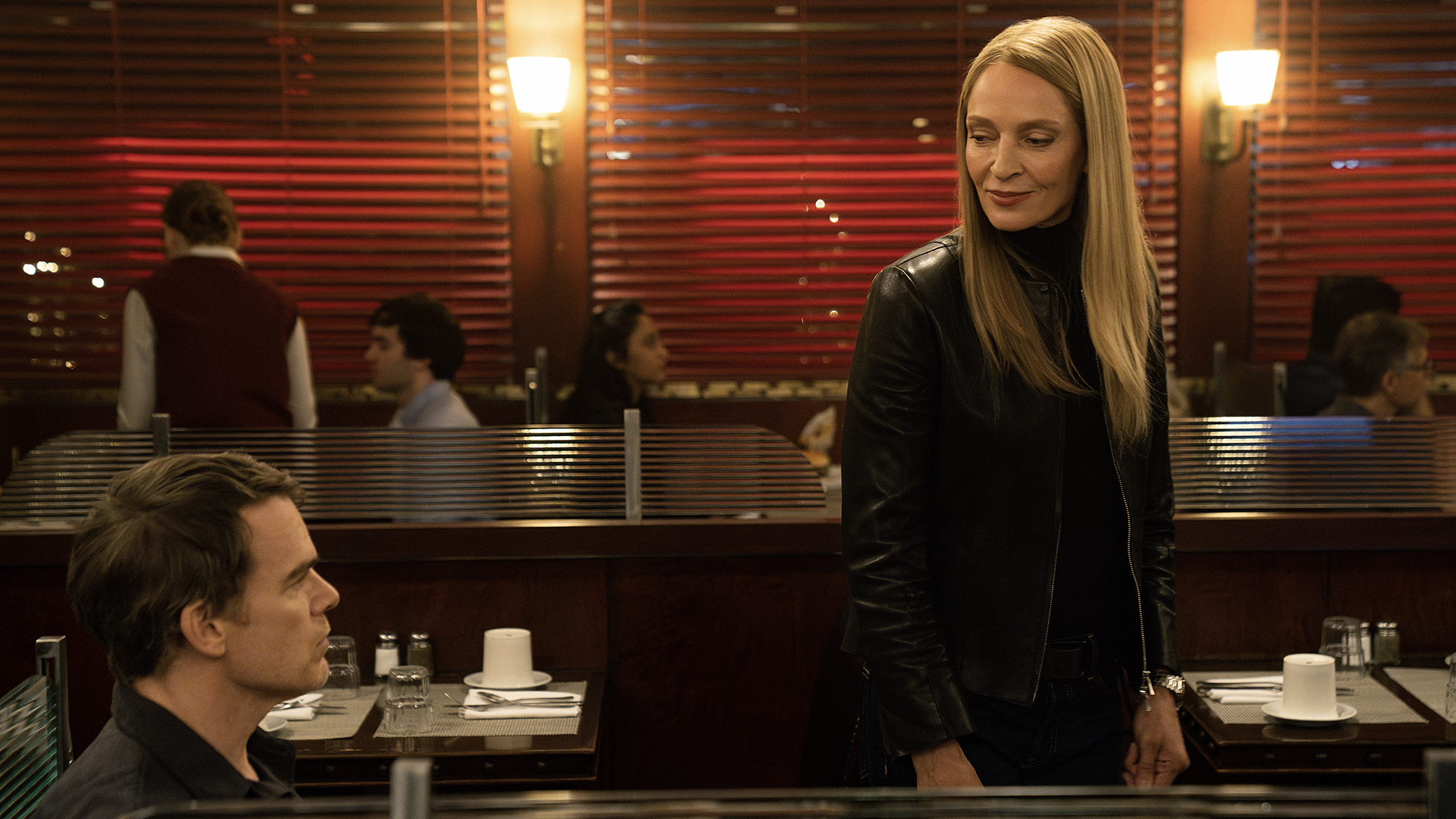
Uma Thurman is captivating once again as Charley. She’s as lethal as Dexter but seemingly not as morally corrupt as other killers. Detective Claudia Wallace (Kadia Saraf) remains as lovably deadpan as ever. She’s laser-focused on taking down the killer she has hunted for decades.
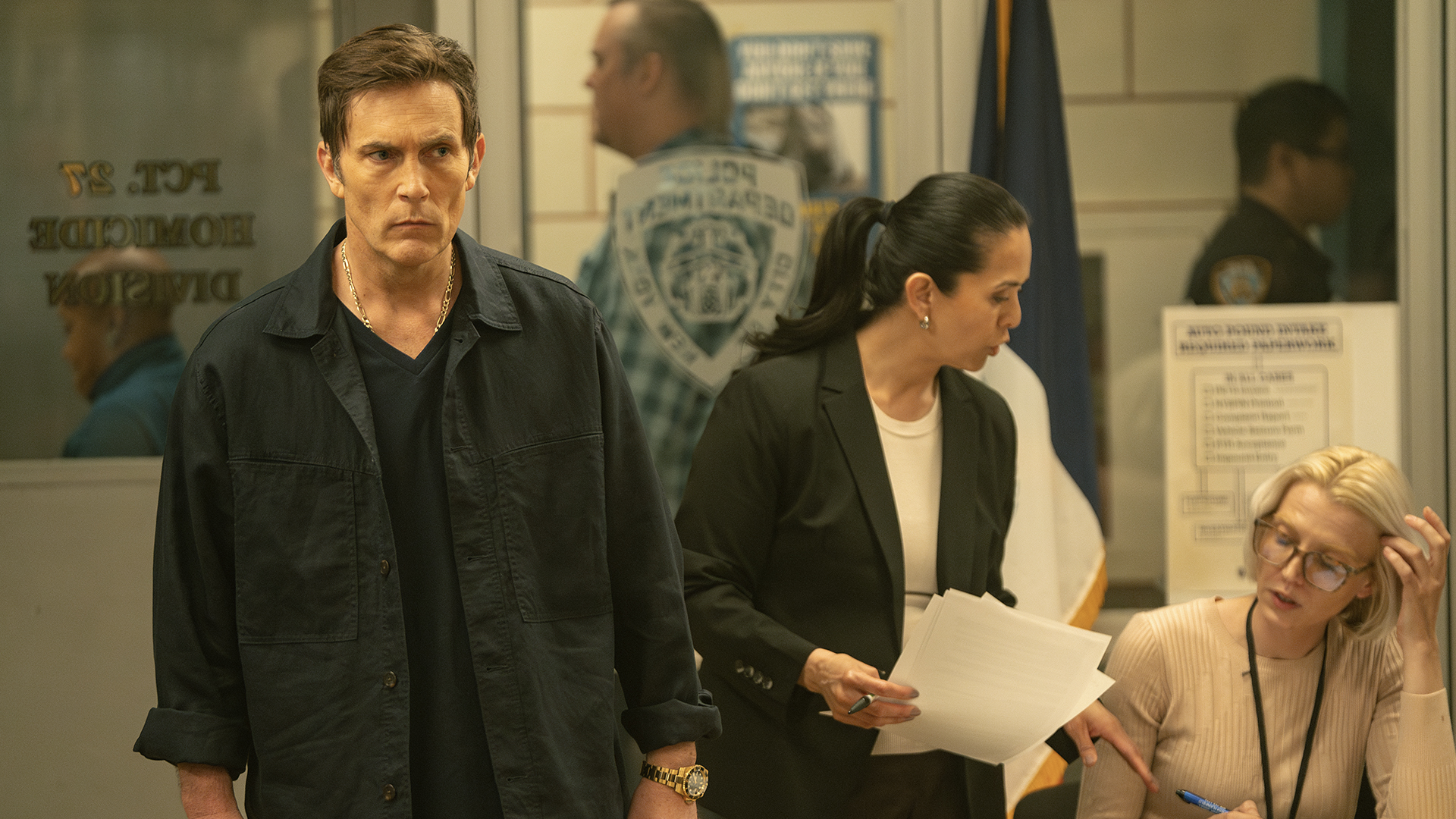
Then, there’s Joey Quinn (Desmond Harrington), who already had suspicions about Dexter more than a decade ago. Compounded with Angel’s (David Zayas) death and learning that Dexter is still alive, it’s a dangerous combination. Quinn was never overtly a dirty cop. But he doesn’t mind bending the law when he needs to. The ambiguity of his return enhances the story and leaves you guessing. He wonderfully serves as one of the last remaining links to the original show.
The new slate of killers, meanwhile, is led by Brian Cox’s Don Framt, a.k.a. The New York Ripper, scooting around in his wheelchair like a carrot dangling on a string in front of Dexter. Then, there’s Dan Stevens’ The Five Boroughs Killer. In a way, they represent Dexter’s future and past: an old man sidelined by frailty and a young, agile killer whose just getting started.
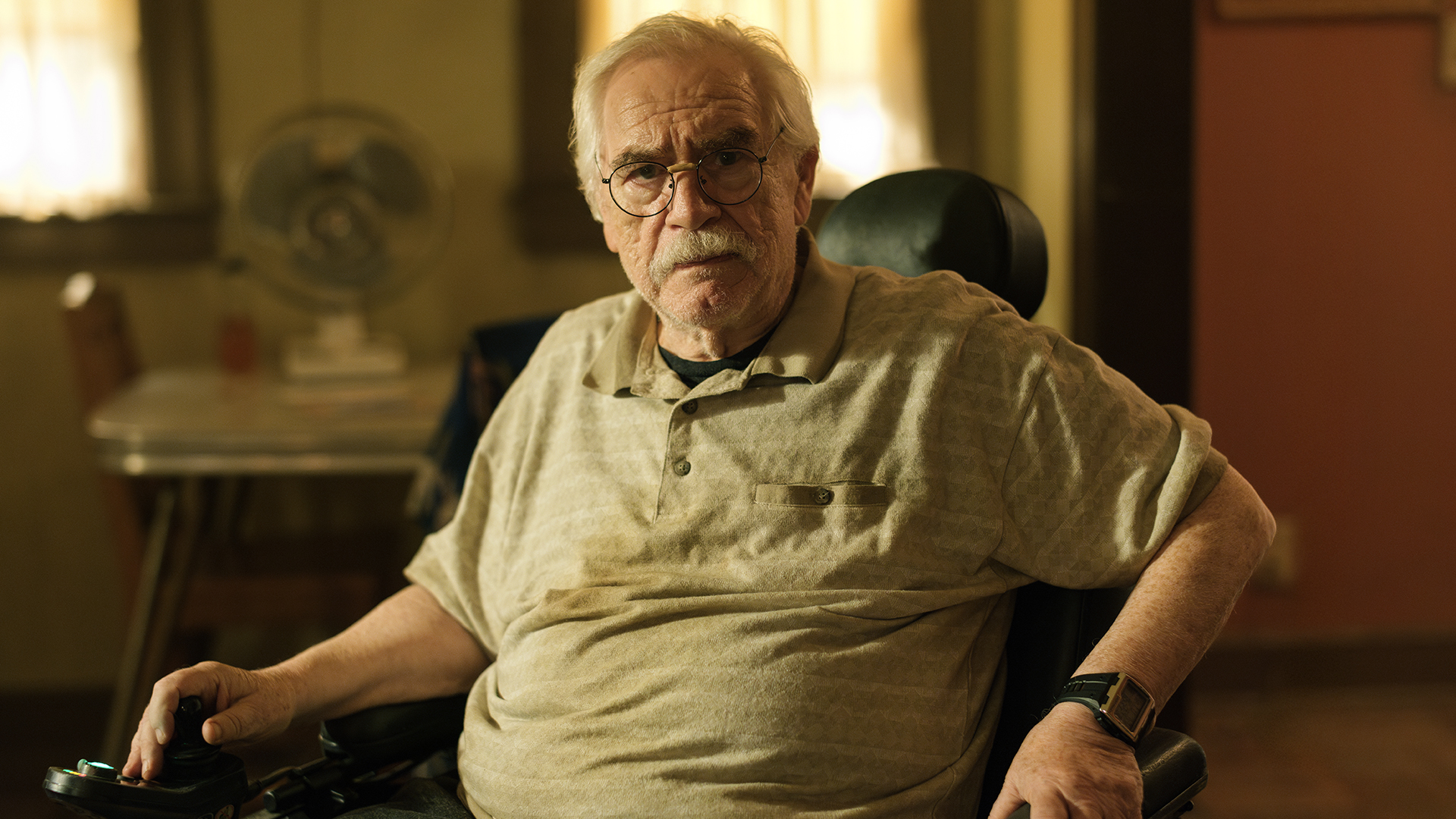
These characters will be key to moving the story forward. What’s especially dangerous is that this mix of formidable potential adversaries are all arriving at a time when Dexter is slipping. He’s distracted by the mental load of his own mortality. Thankfully, each time you feel as though the qualities that make Dexter so likable are starting to disappear, he does or says something that reminds you he’s just going through a rough patch. And it’s usually through his inner narration, which is as sarcastic and biting as ever. Still, Dexter may be facing pressures from all sides like never before and at the worst time possible when he isn’t feeling like the person he once was.
As devastating as it is to see Dexter fighting for his own confidence, it also opens the door for a huge moment. We need that proverbial middle-finger to Father Time for the show to retain its essence and Dexter to solidify his charming arrogance. Who or what that might come at the expense of remains to be seen. (My prediction? Krysten Ritter’s Mia, who is confirmed to return, will kill Quinn. It could be intentional because she knows he’s from Dexter’s past or coincidence since he fits the mold of her usual victims and it would make sense that she finds him at a bar. If so, this would send Dexter into a tailspin).
Dexter is in for The Ride of His Life
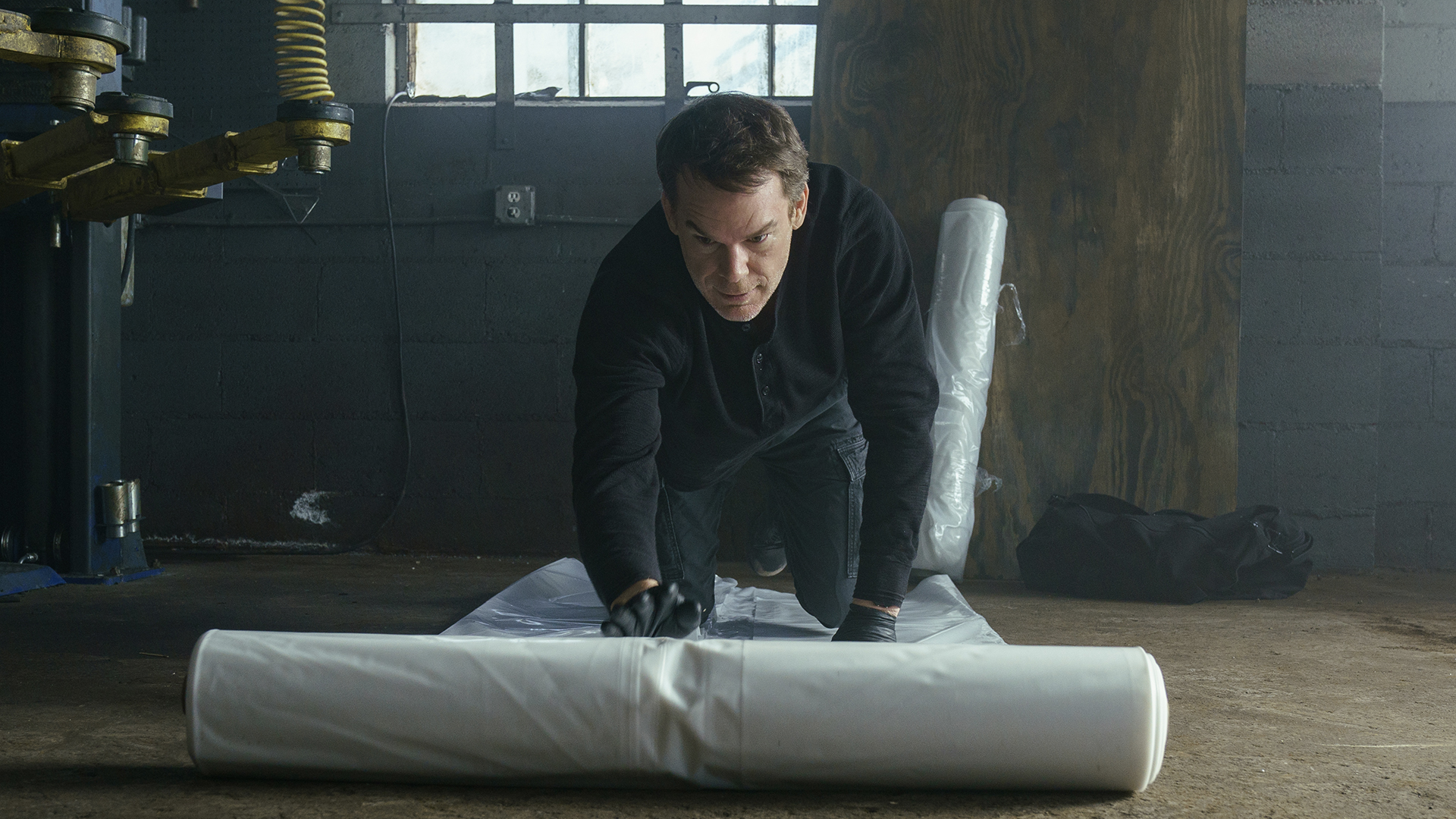
Season 2 of Dexter: Resurrection is off to a strong start. It’s already pointing in the direction of something either going horribly right or horribly wrong. Either way, something needs to get Dexter back on track.
Presenting a unique challenge, and paying homage to the original series (and the short-lived prequel Dexter: Original Sin) is one specific thing. For first time since Debra (Jennifer Carpenter), Dexter has a family member in law enforcement trying to carve a name for themselves as a cop. Dexter will have to, once again, balance his need to kill with his desire to be a good and supportive father (previously brother). Considering that Harrison’s new job and his father’s extracurricular activities exist on extreme opposite sides of the spectrum, they will eventually collide. Whether the Dark Passenger or Harrison wins is the big question.
Overall, there’s a lot of story building and set-up in the first two episodes. Dexter explores a new batch of lather, rinse, repeat awful killers. But there’s some of the creepiest ones he has ever encountered, like Gabriel Luna’s Ray Ballard, a.k.a. The Sleepy-Eyed Stranger. One thing we know about Dexter is that people who end up in his orbit are never safe, whether they meet The Code or not. That track record alone will keep you on edge.
But before we can get to whatever pivotal moment will happen this season, we need to collectively root for Dexter to get out of his depressive funk. He needs to return to the confident, witty, charming killer he is. Only Dexter Morgan can drug, taunt, murder, dismember, and dump human remains in the ocean yet leave us oddly gratified and endeared by him anyway.

The midlife crisis angle does give the show and character a refreshing take. But Dexter is an enigma. He’s not like other “normal” humans but he’s also not like other killers either. His ability to manipulate his way out of situations has always been as impressive as his physical strength. The Bay Harbor Butcher has been eluding justice for decades, despite coming this close to being caught on numerous occasions. How the show handles the balance between who Dexter was and who he is becoming will frame how the story shapes up as the already exciting season continues.