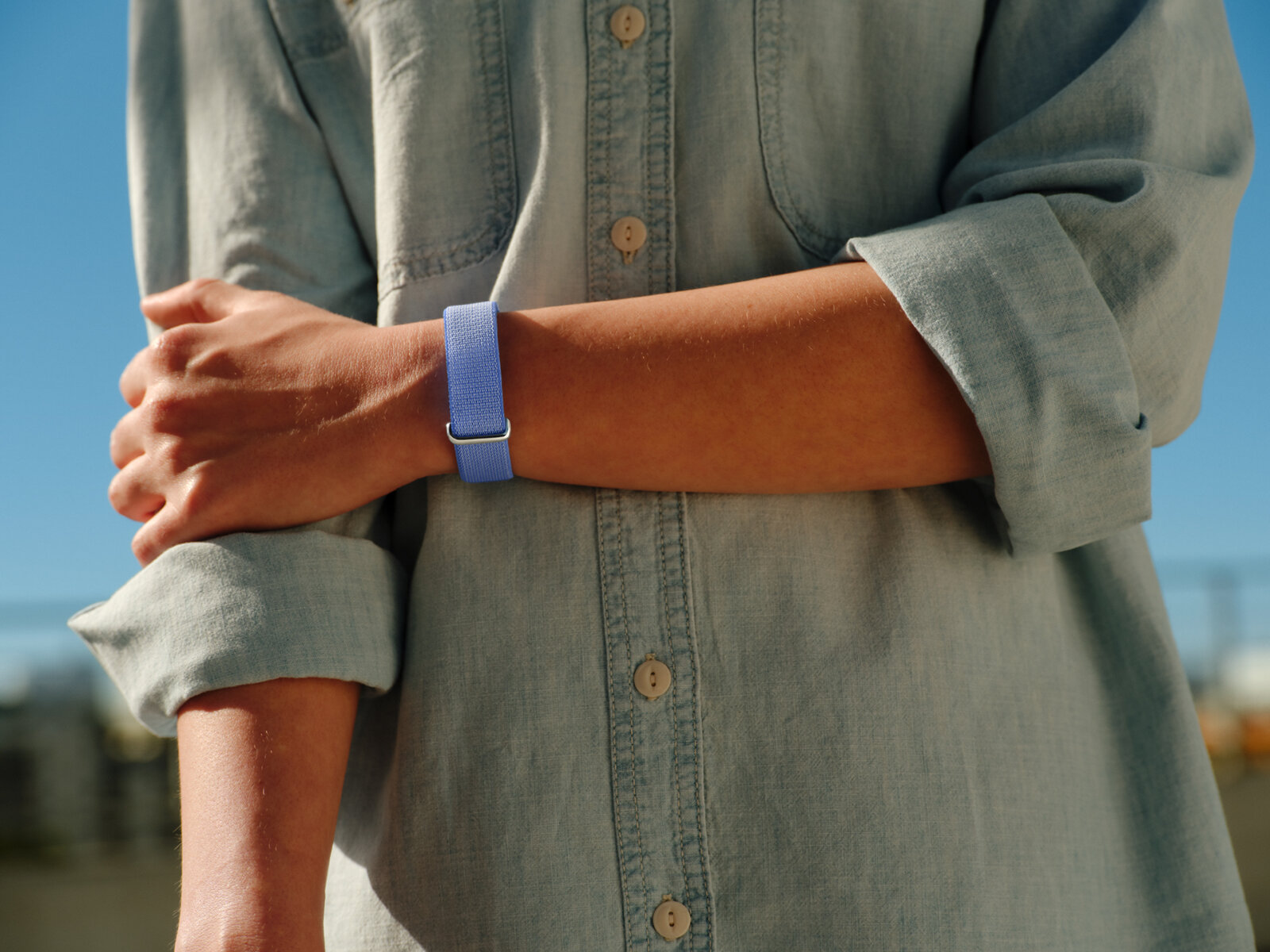
Fitbit is introducing its first new branded tracker in a while in the Fitbit Air, a screenless wearable that arguably competes more with smart rings than it does traditional fitness trackers and smartwatches. There’s also a special edition Stephen Curry band and an official switch from the Fitbit App to Google Health to complement the experience, along with Google Coach, powered by Gemini.
Fitbit Air Offers Screen-Free Tracking
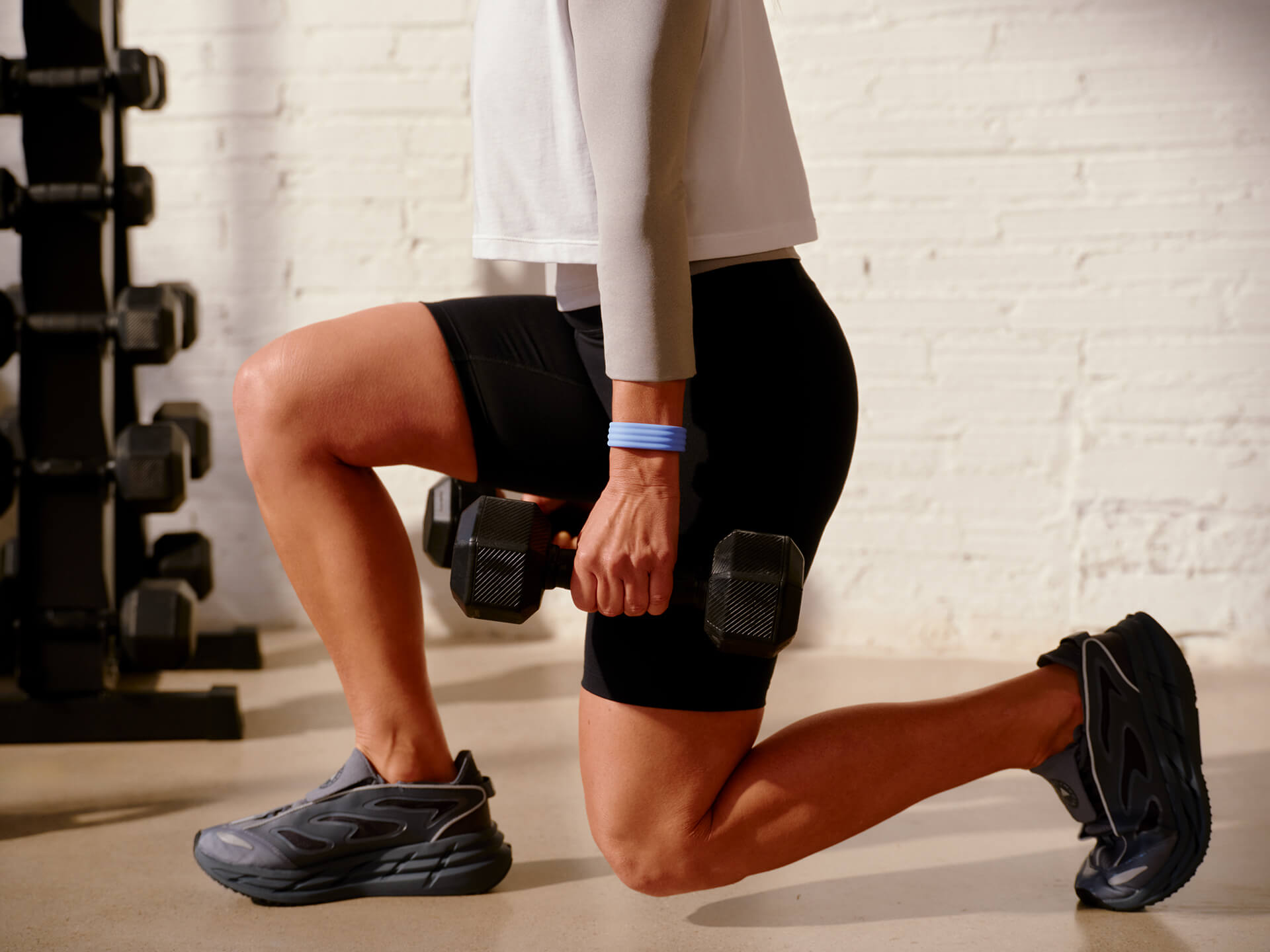
The Fitbit Air is a simple, affordable wristworn tracker that passively tracks your data in the background 24/7. Working alongside Google Health Coach (with a Google Health Premium subscription) and the Google Health app, it uses high-fidelity sensor technology in a tiny, discreet pebble to track vitals like heart rate, heart rhythm monitoring with Afib alerts, SpO2, resting heart rate, heart rate variability, sleep stages and duration, and more.
Since it’s screenless, you don’t have to worry about distractions, much like with smart rings. When you want to see insights, visit the Google Health app, which is replacing the Fitbit app. You can manually start a workout from the app, but the Air also detects and automatically tracks common workouts, which improves over time and becomes personalized to your usual regimen. Because of the lack of screen, the tracker can last for up to a week per charge and it quick charges to give you another full day in just five minutes.

Remove the pebble sensor and swap out the band with others, including the Performance Loop band that comes with the tracker, the Active band, and the Elevated Modern band. Google is also launching a special edition band co-designed with Stephen Curry. The Fitbit Air Special Edition Performance Loop band comes in Rye Brown and Orange. It features a water-resistant coating and a raised interior print inspired by athletic racing stripes, specifically engineered to increase airflow during high-intensity movement. It’s only available while supplies last and not in every country.
Google Fitbit Air works with most phones running Android 11 or higher and Apple iOS 16.4 or higher and requires a Google Account and the Google Health app. It’s available for pre-order starting at US$100 and comes with a three-month trial to Google Health Premium, which is US$10/mo. thereafter and automatically renews unless you cancel. Google AI Pro and Ultra subscribers will get Google Health Premium at no extra cost included in their plans.

The Google Fitbit Air Special Edition is also on pre-order, available starting May 26, 2026, for US$130. Accessory bands are available for pre-order as well starting at US$35.
The Fitbit App is Now Google Health
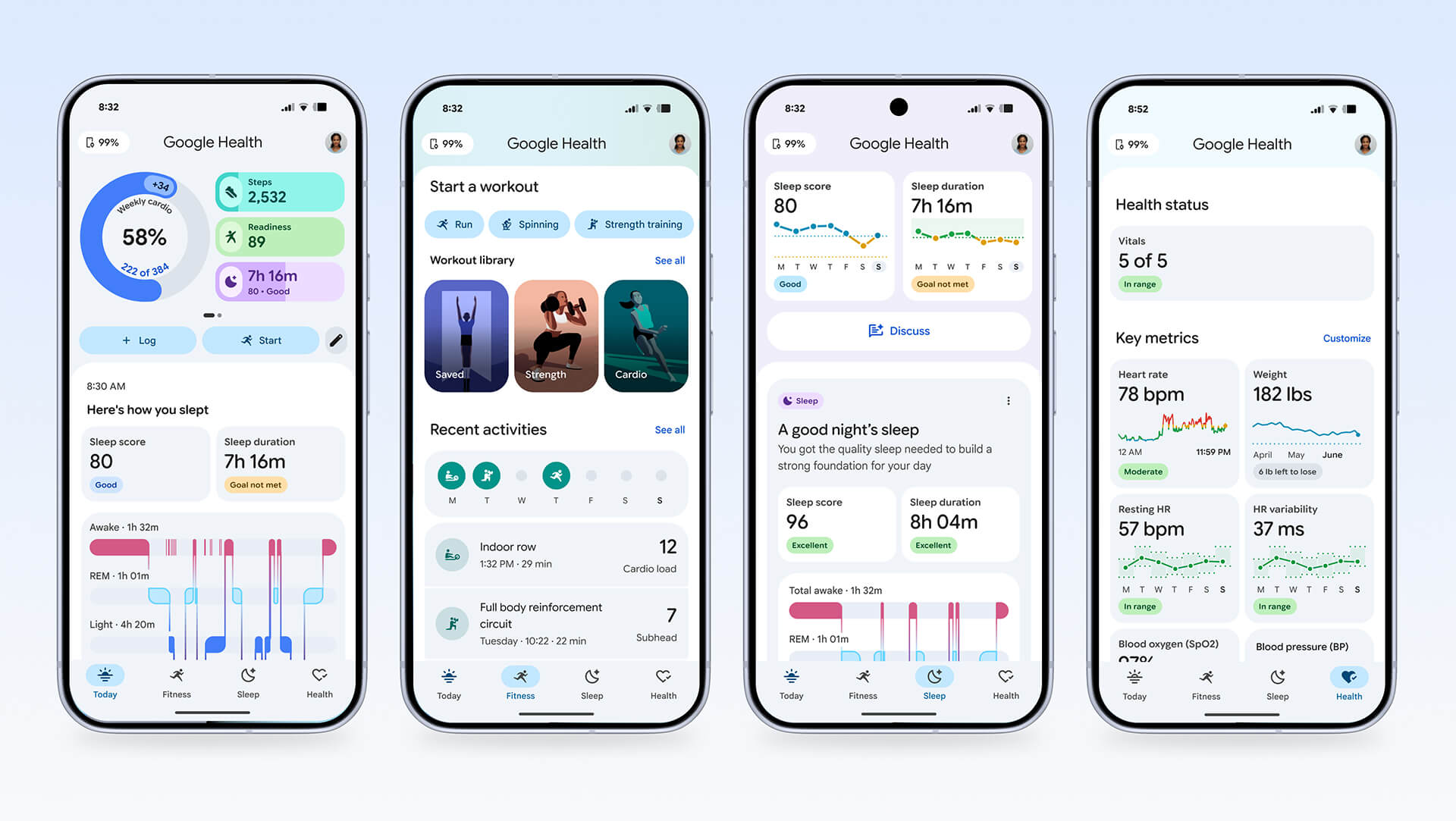
Complementing the Fitbit Air is the official switch from the Fitbit app to the Google Health app. The redesigned app includes a more intuitive layout so it’s easier to see the big picture through four tabs: Today, Fitness, Sleep, and Health. You can customize the look and dashboard at the top of Today and Health for quicker access to your favourite metrics. Sync, log, and view data across your Activity, Fitness, Sleep, Vitals, medical records, and more. The app will help you spot trends, track progress, and see how your health fits together.
The Google Health app works with hundreds of other apps and devices, whether integrated through Health Connect, Apple Health, or the Google Health APIs, so you’ll be able to see your data in one place like your bike rides from Peloton or your meals from MyFitnessPal. In the U.S., you can also sync your medical records to the app to quickly view key information like lab results, vitals, and medications, and observe how your data has changed over time. Your records are securely stored, and you have control of your data and how it is used, shared, or deleted.
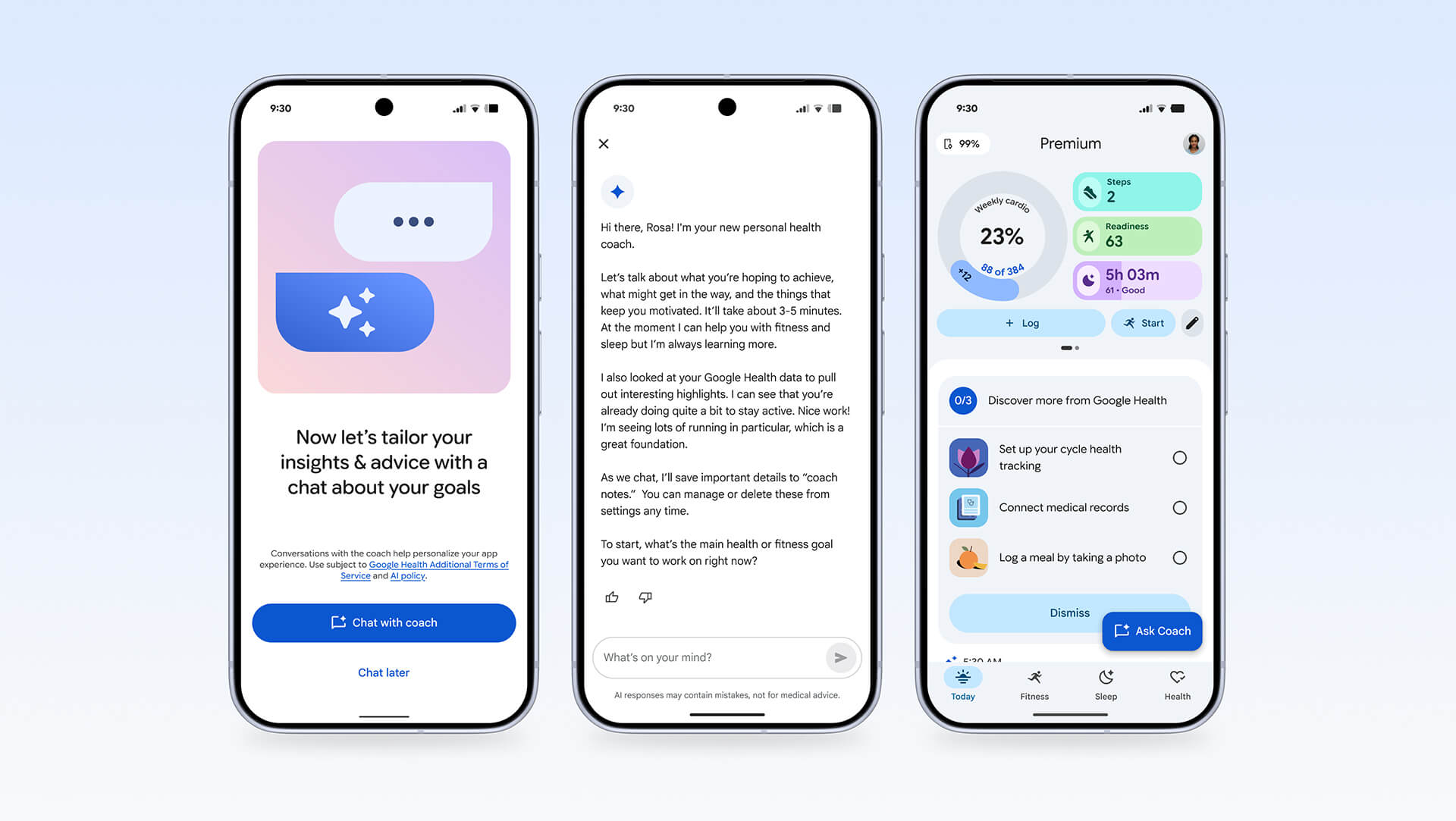
There are expanded leaderboards so you and your friends can keep track of each other’s steps and cardio load. You’ll also find improved navigation, logging, and an interactive calendar for cycle tracking.
The Google Health app will roll out as an app update to existing Fitbit users. You won’t have to download a different app, and your data will transition automatically. Google Fit users will be able to migrate their data into Google Health app later this year.
Google Health Coach is Powered by Gemini
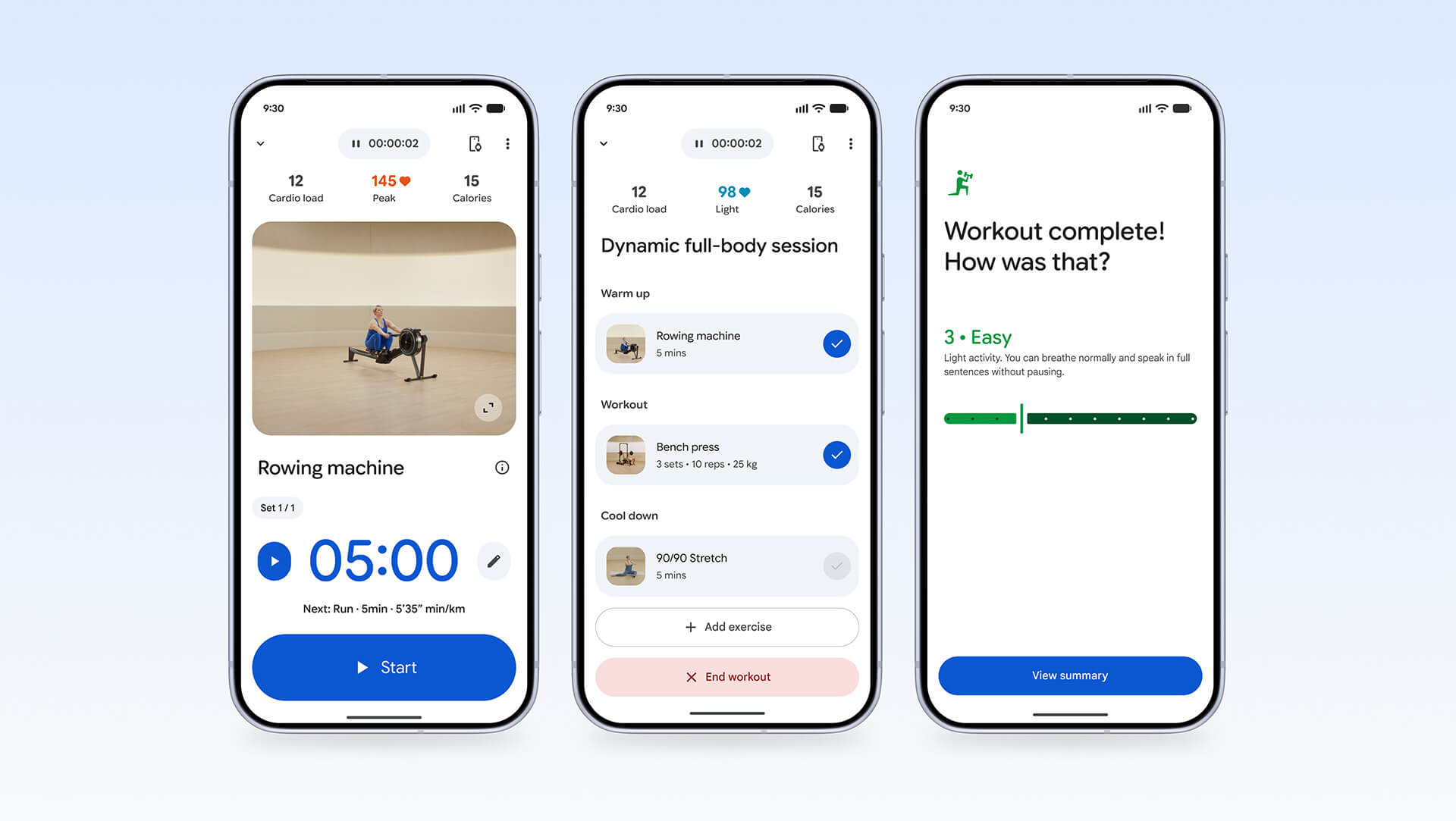
Also part of the Google Health app is Google Health Coach, built with Gemini. You’ll get timely insights from the coach on Today. The Fitness tab becomes the home for your “weekly plan,” where you can get workout suggestions and create and save workouts with natural language. On the sleep tab, you can better understand your weekly consistency and progress towards getting better rest. In Health, in addition to getting a snapshot of your key health metrics, you can get summaries of your medical records from the Coach.
When you first get started, you’ll have an onboarding conversation to introduce yourself to your coach. You can share your specific goals, details about your daily routine, the type of equipment you have access to, any injuries you’re managing, or general lifestyle context.
The Coach takes all these details into consideration to provide tailored guidance and insights. You can update details or shift your goals at any time through a simple conversation, and your coach will instantly adapt its future guidance.
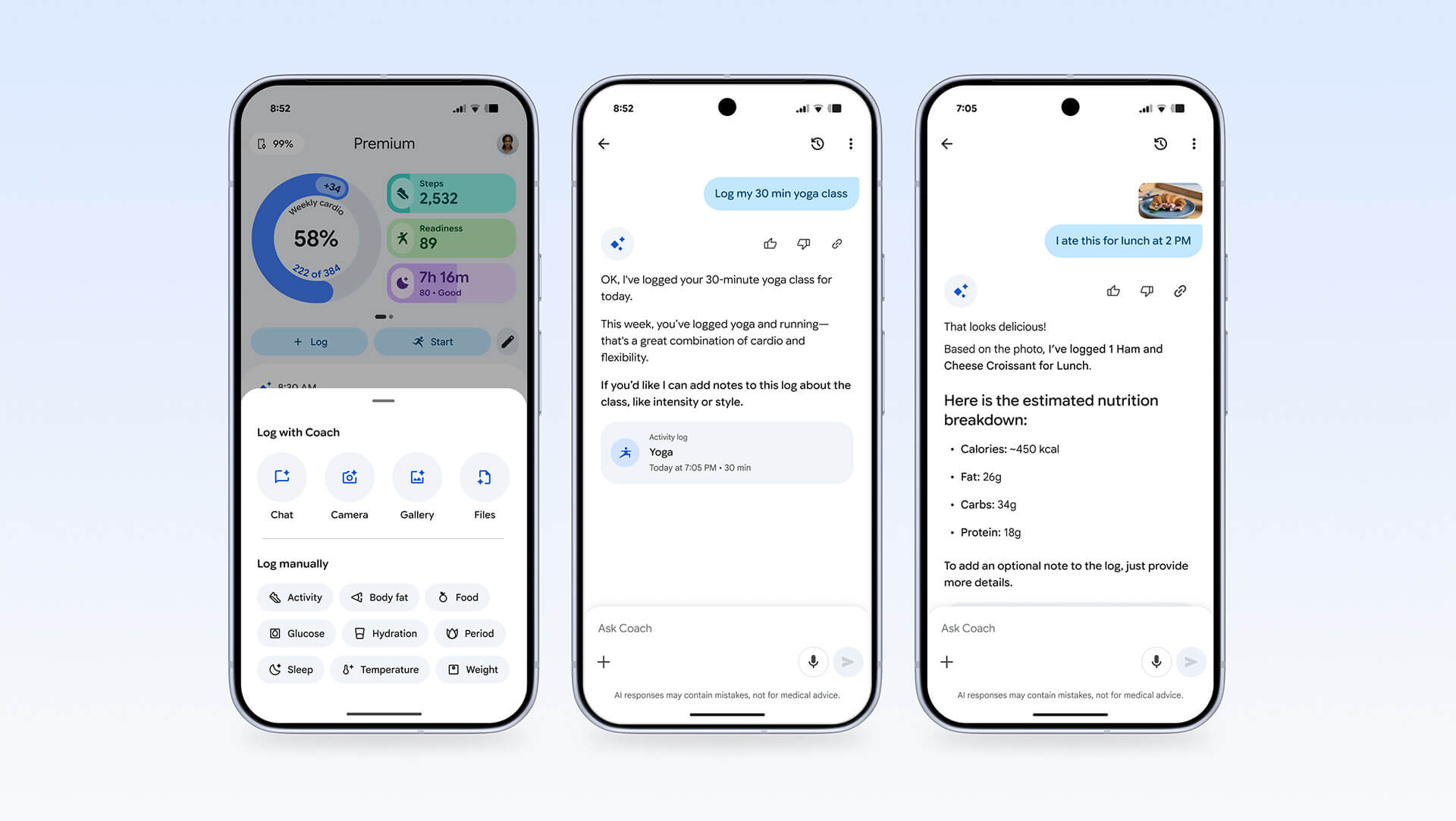
To give you the best possible guidance, the Coach connects the dots across your shared data ecosystem, including fitness and sleep metrics, nutrition and cycle tracking, environmental context like location and local weather, and personal medical records. In general, the more context you choose to share, the more tailored and powerful the experience becomes. Get guidance at any time by tapping “Ask Coach.”
The Coach drives the daily experience on the Today tab, but it’s also available throughout the Google Health app. The Fitness tab is now the home for your “Weekly Plan.” Instead of just tracking steps or workouts, you can get tailored workout suggestions and even create and save custom workouts using natural language. In the Sleep tab, Coach helps you better understand your weekly sleep consistency and tracks your actual progress toward achieving better, more restorative rest. For the Health tab, you can now ask the Coach to synthesize and provide clear summaries of your personal health records, making complex medical data easy to digest.
Track your data via voice, images or documents. To log complex workouts, upload photos of gym whiteboards or snap photos of meals for nutritional analysis, and understand or summarize files, like PDFs or medical records.

The Google Health Coach will start rolling out on May 19, 2026 and will reach all users by May 26, 2026, in time for when the new Fitbit Air hits store shelves. It is included with a Google Health Premium subscription (formerly Fitbit Premium), at US$10/mo. or US$99/yr. Google AI Pro and Ultra subscribers, as noted, get Google Health Premium at no extra cost.
The Coach is launching first for eligible Fitbit and Pixel Watch users, with support for other devices coming soon. Anyone can download the app to get started and sign up, and if you don’t have a Fitbit device or Google Pixel Watch, you’ll get notified when the Coach is ready for you.