
Pros
- Compact, on-ear design
- Comfortable for long listening sessions
- Easy-to-use button design
- Active noise cancelling works incredibly well
- Amazing battery life
- Wired listening option
Cons
- No voice prompts for connection status, battery life
- Included USB-C cord is oddly short
- You may feel some pressure on your ears
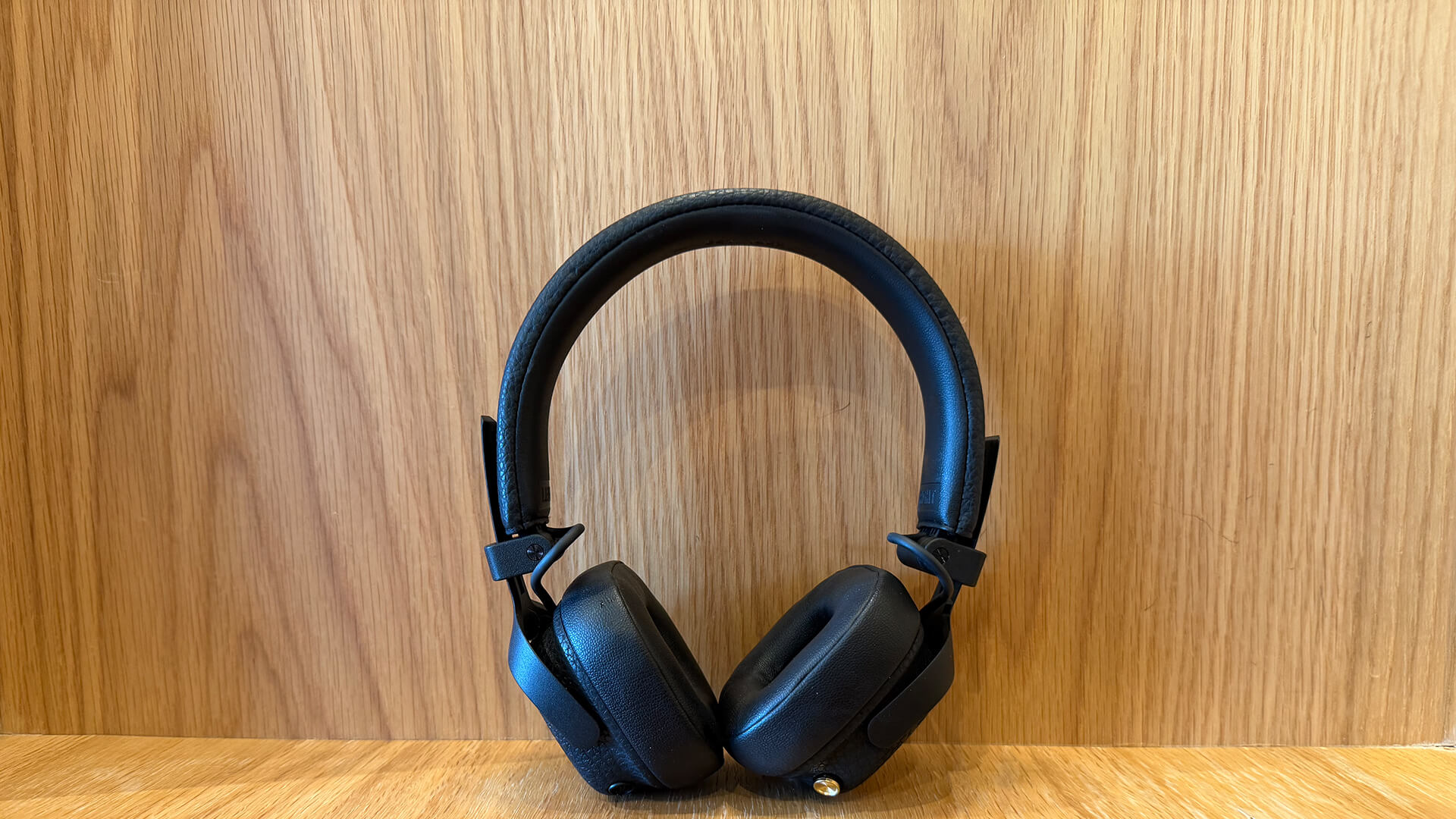
Marshall is one of the trendiest, “coolest” brands in audio, with a long history in the music business supporting musicians with gear and with a strong line of headphones, portable Bluetooth and now party speakers, and more. The latest to join the line, which I got to preview at an exclusive event in Stockholm, Sweden, is the Marshall Milton A.N.C. on-ear headphones. They sit between the Marshall Major V and Marshall Monitor III headphones, offering the best of both worlds. They are on-ears like the Major Vs but add active noise cancelling (ANC) like the over-ear Monitor IIIs, which I reviewed last year, with the option to adjust the level via a slider. Naturally, it’s exciting to consider having ANC for a long flight, commute, or workday at home, without needing big cups fully covering your ears or in-ears plugging them.
I have been using the Miltons since the trip to Stockholm in late April, including wearing them for the entire flights home. I’ve worn them at home, in coffee shops, and while going for morning walks. I have listened to music, podcasts, and watched TV shows and movies. And I have connected them wired and wirelessly to everything from a seatback entertainment system on a plane to my laptop and phone. Should you get these headphones? Here’s my take.
About the Marshall Milton A.N.C. On-Ear Headphones
The Marshall Milton A.N.C. on-ear headphones feature adaptive noise cancelling so you can adjust the level as needed, along with transparency mode. They run for up to 50 hours with ANC enabled or up to 80 hours without it.
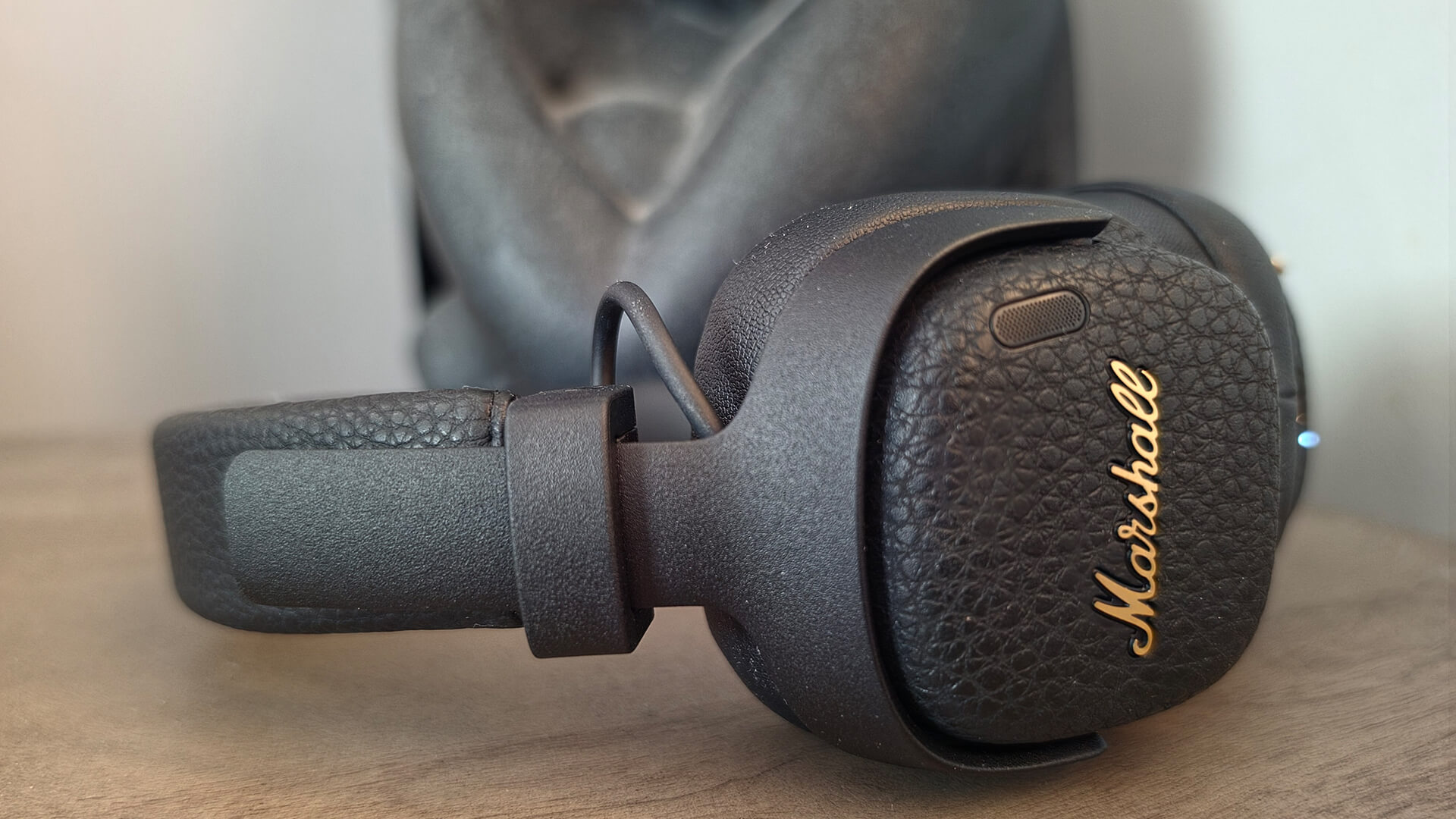
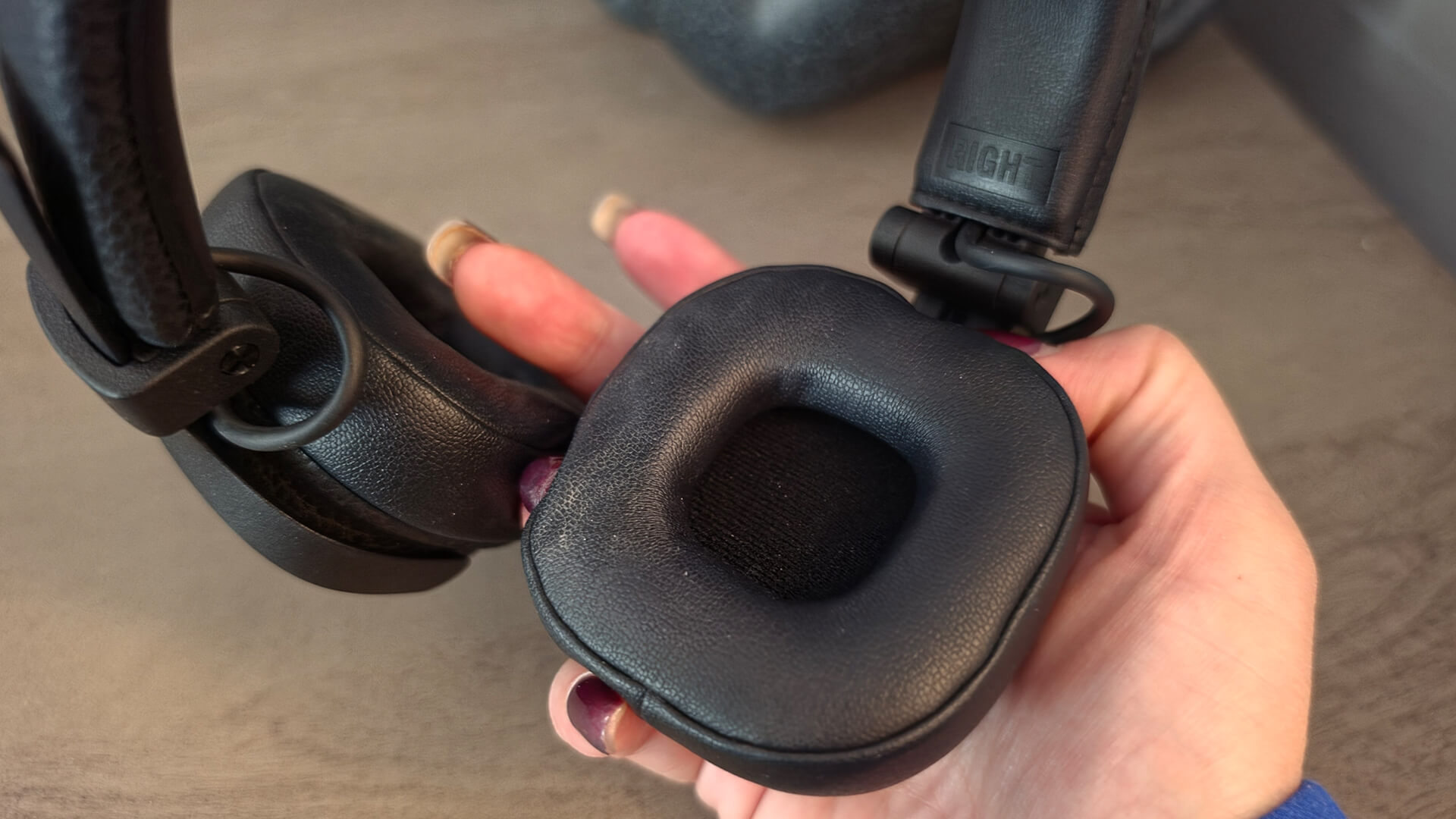
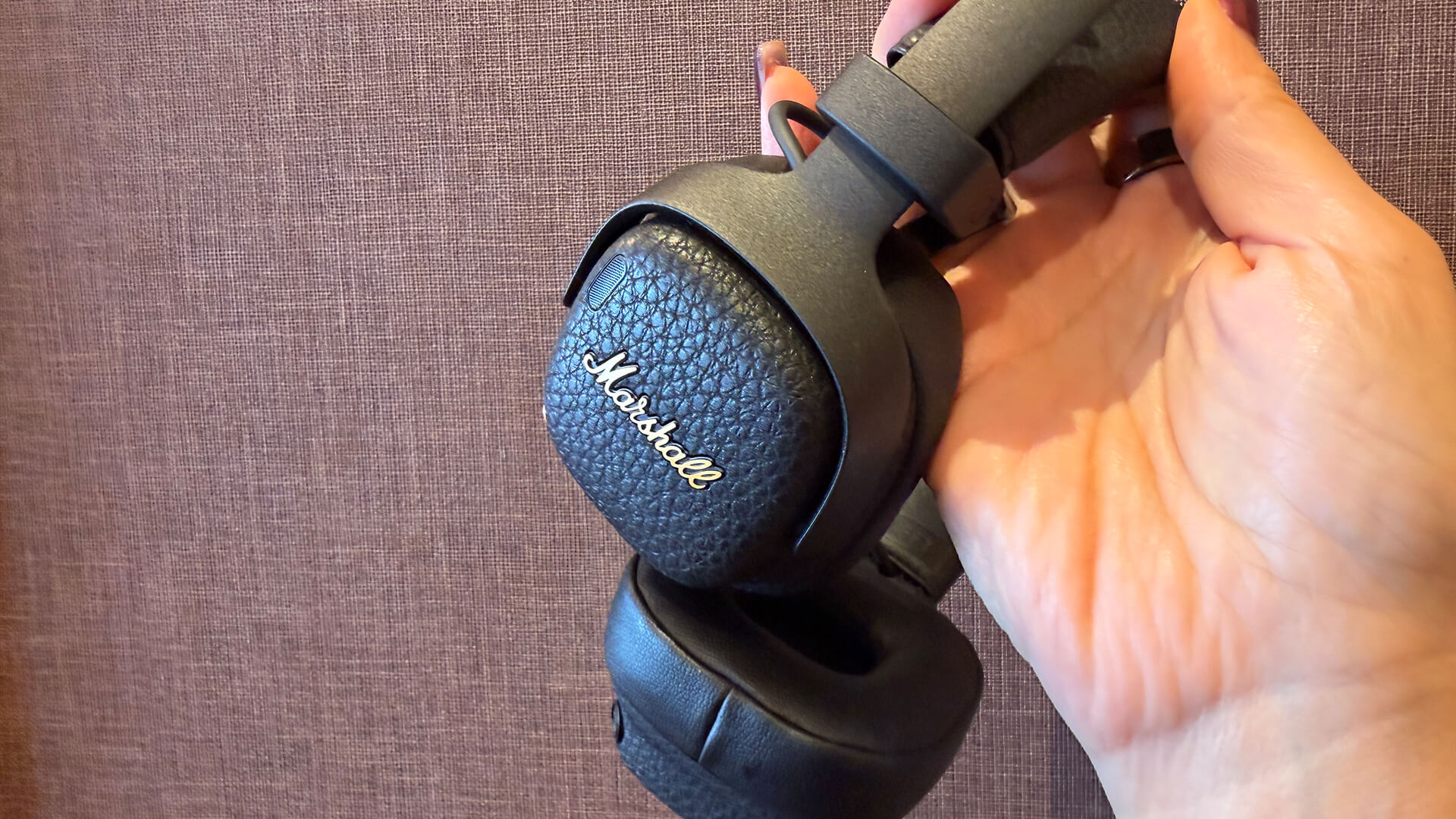
Memory foam ear cushions are slightly bigger than the ones on the Marshall Major Vs to improve passive noise attenuation. This is joined by square-shaped TPU molded ear caps with a textured leather surface, brass metal logo, and powder-coated metal arms.
A new driver system improves bass and treble extension for richer details when listening to Hi-Res audio sources. Six microphones facilitate both ANC and calls. A feature called Adaptive Loudness adjusts audio playback to the listening volume and environment so if surrounding noise creeps in, it raises bass and lower mids. A feature carried over from both the Marshall Major V and Marshall Monitor III is Soundstage spatial audio, Marshall’s spatialization algorithm that purports to add depth and width to stereo tracks.
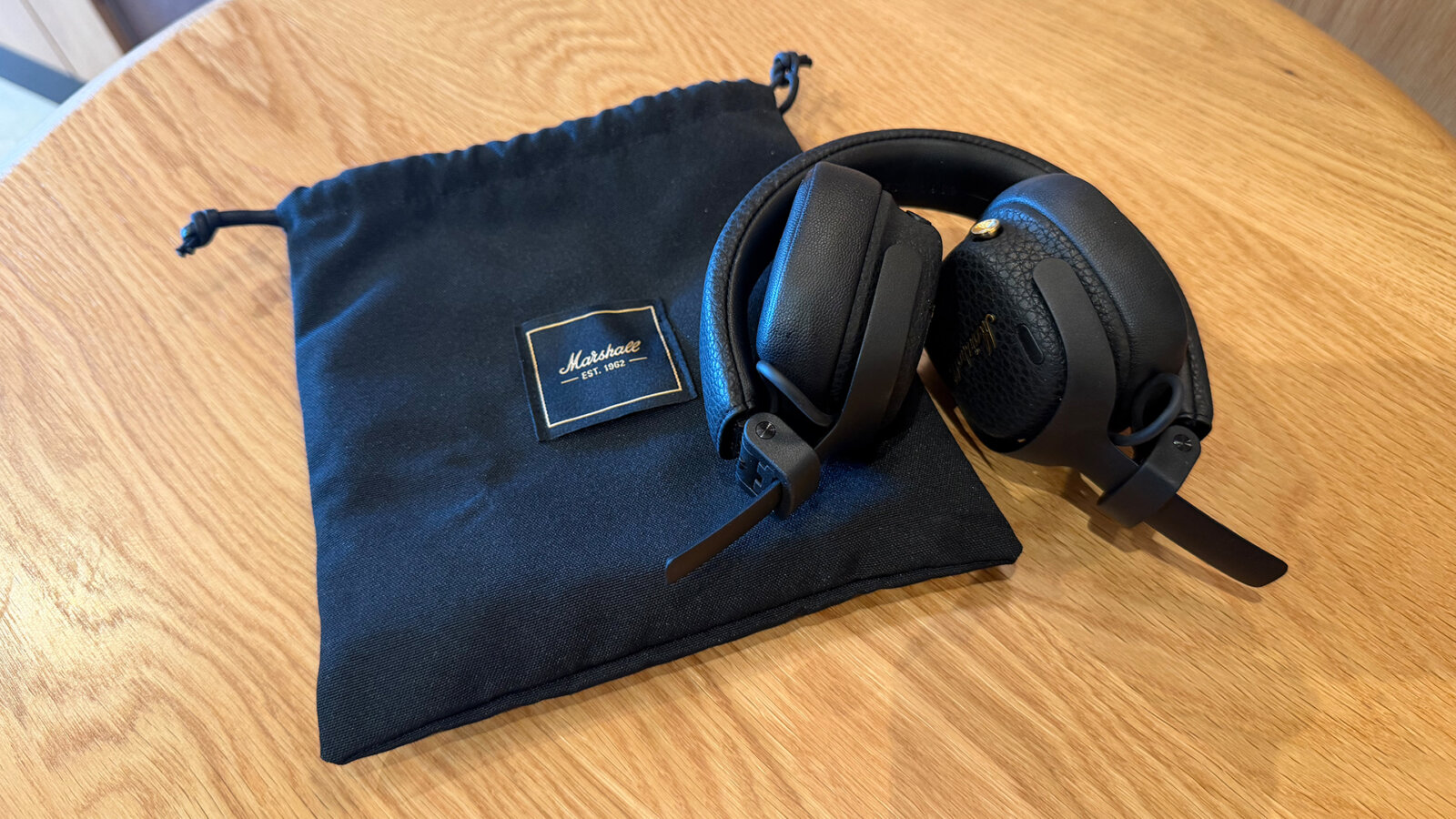
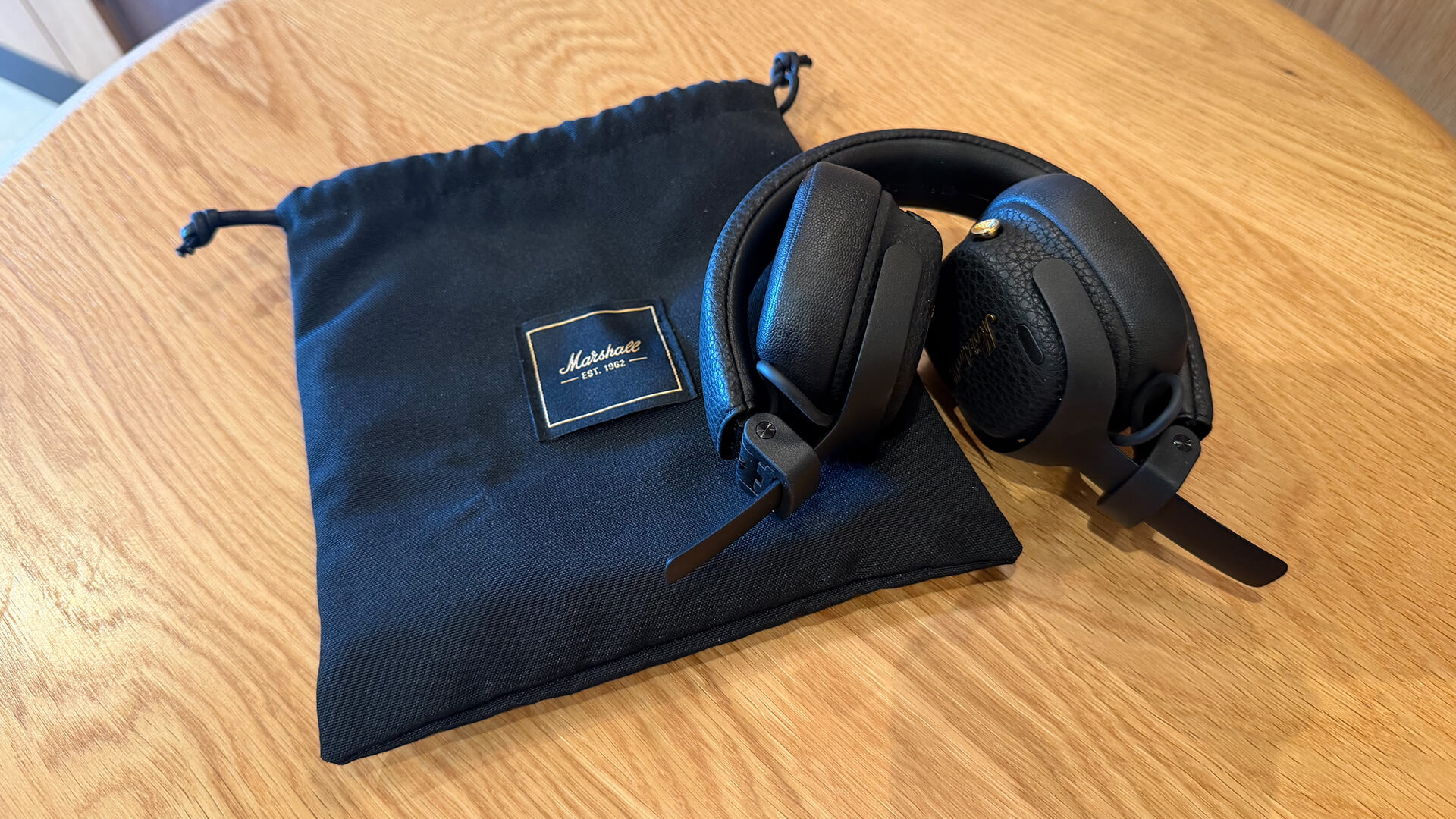
The headphones boast Bluetooth 6.0 with LE Audio and have a replaceable battery. They come with a carrying pouch and they neatly fold into it for compact storage and transport.
The Marshall Milton A.N.C. headphones will sell in Canada for $330 and will be available through Erikson Consumer, with availability date TBA.
Marshall Milton A.N.C. Review
Now that you know the basics, let’s dive into my review. Unfortunately, I couldn’t compare them to the Marshall Major V or Monitor III headphones as they are no longer in my possession.
Design, Comfort, and Connectivity
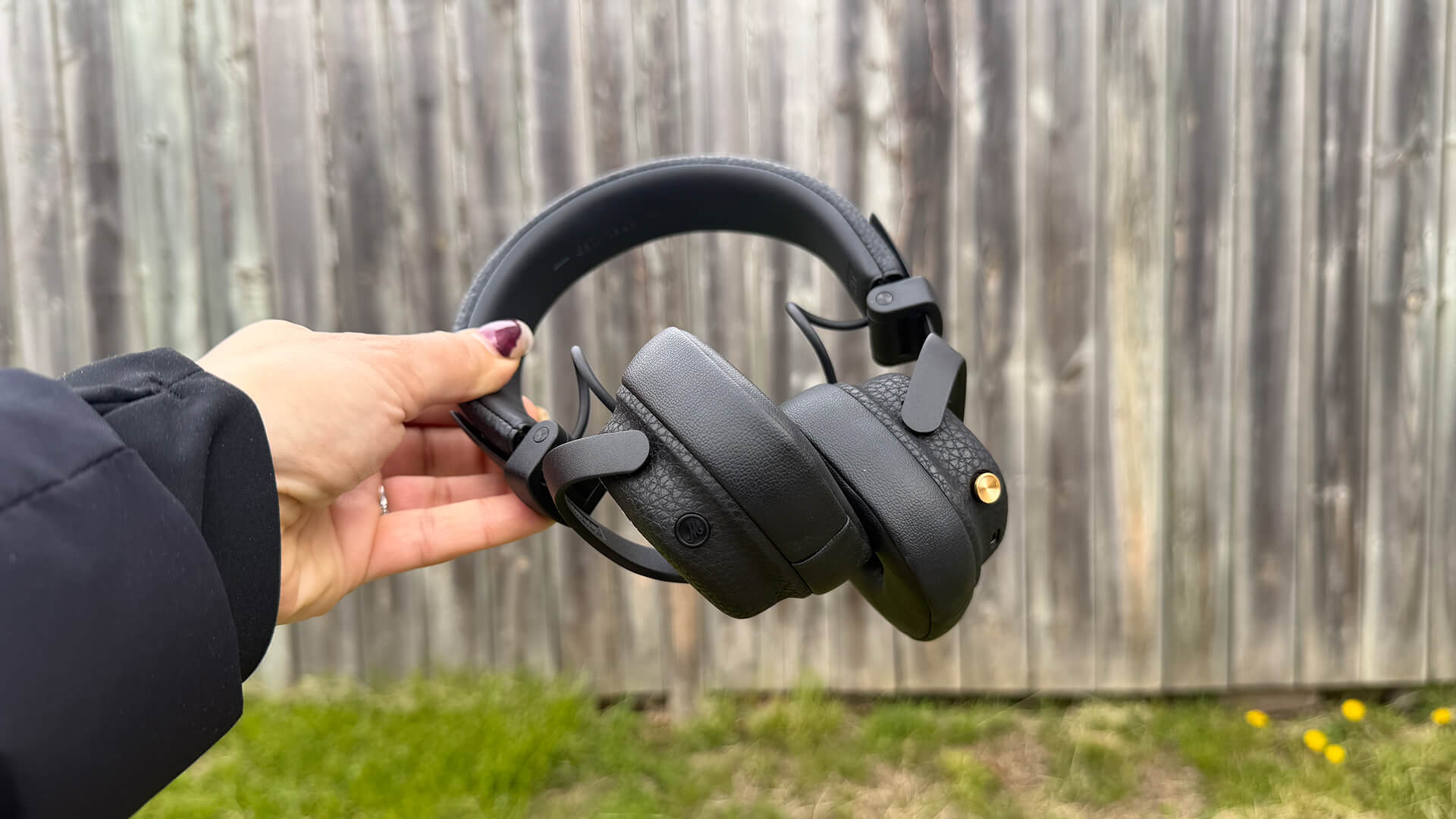
The headphones have a lovely, elegant, textured look with a non-traditional square cup versus round design and an adjustable headband. They are a perfect Goldilocks size for a compact fit, especially for someone who doesn’t like big cans on their head or women who might prefer something smaller. Pairing them via Bluetooth to all my devices, including my phone, laptop, and the app, was super easy.
After the launch event in Sweden, I wore them for both flights back home, totaling over 11 hours straight. Even when I wasn’t actively listening to something, I kept them on to reduce the hum of the airplane engine, surrounding chatter, even some nearby baby’s cries. They were comfortable though you might initially feel a bit of pressure on your ears with the tight fit. It’s not uncomfortable, just takes some getting used to. And it contributes to better noise cancelling: you can feel confident that you’re getting a nice seal on your ears without completely encapsulating them.
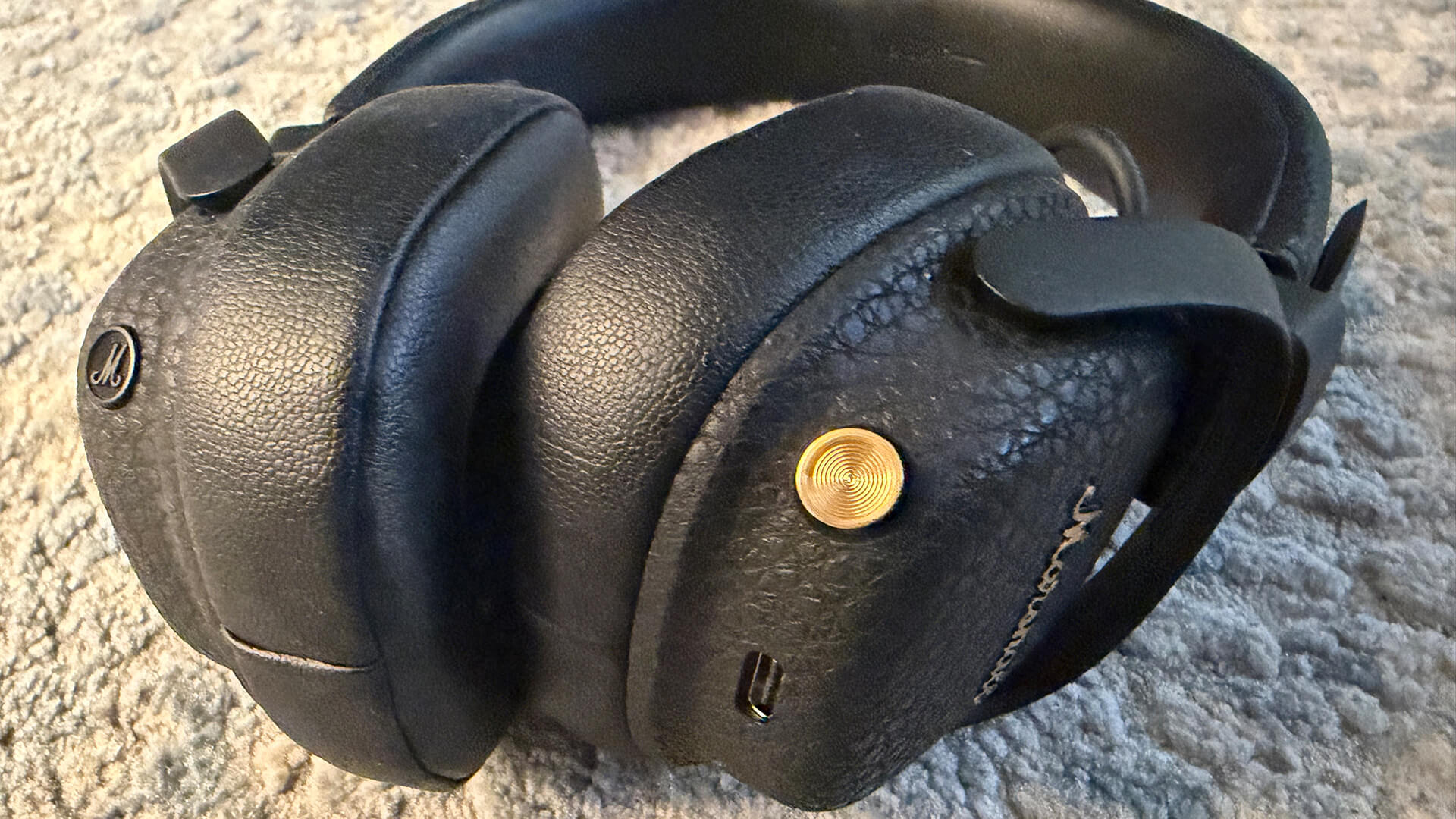
I love that they have physical buttons, which I prefer over touch or slide sensors that can be finicky or challenging to find with your fingers while you’re wearing the ‘phones. As with other Marshall headphones, the raised gold button is a nice touch, too. It’s easy to find by feeling your way around the cup.
One odd thing: along with a USB-C-to-3.5-mm cable for connecting to legacy devices or things like seatback entertainment systems on a plane, the headphones also come with a USB-C-to-USB-C cable. Theoretically, you could use this for an improved wired audio experience, connected to your source device. But the cord is incredibly short. As in, so short you could not viably use it to connect the headphones to any source and listen without holding the device right up to your face. It’s suitable for recharging the headphones at home, but even then, the lack of slack limits charging options. Marshall should have included a longer cable or simply not included a cable at all. I was able to use my own cable to test wired audio.
Audio Quality
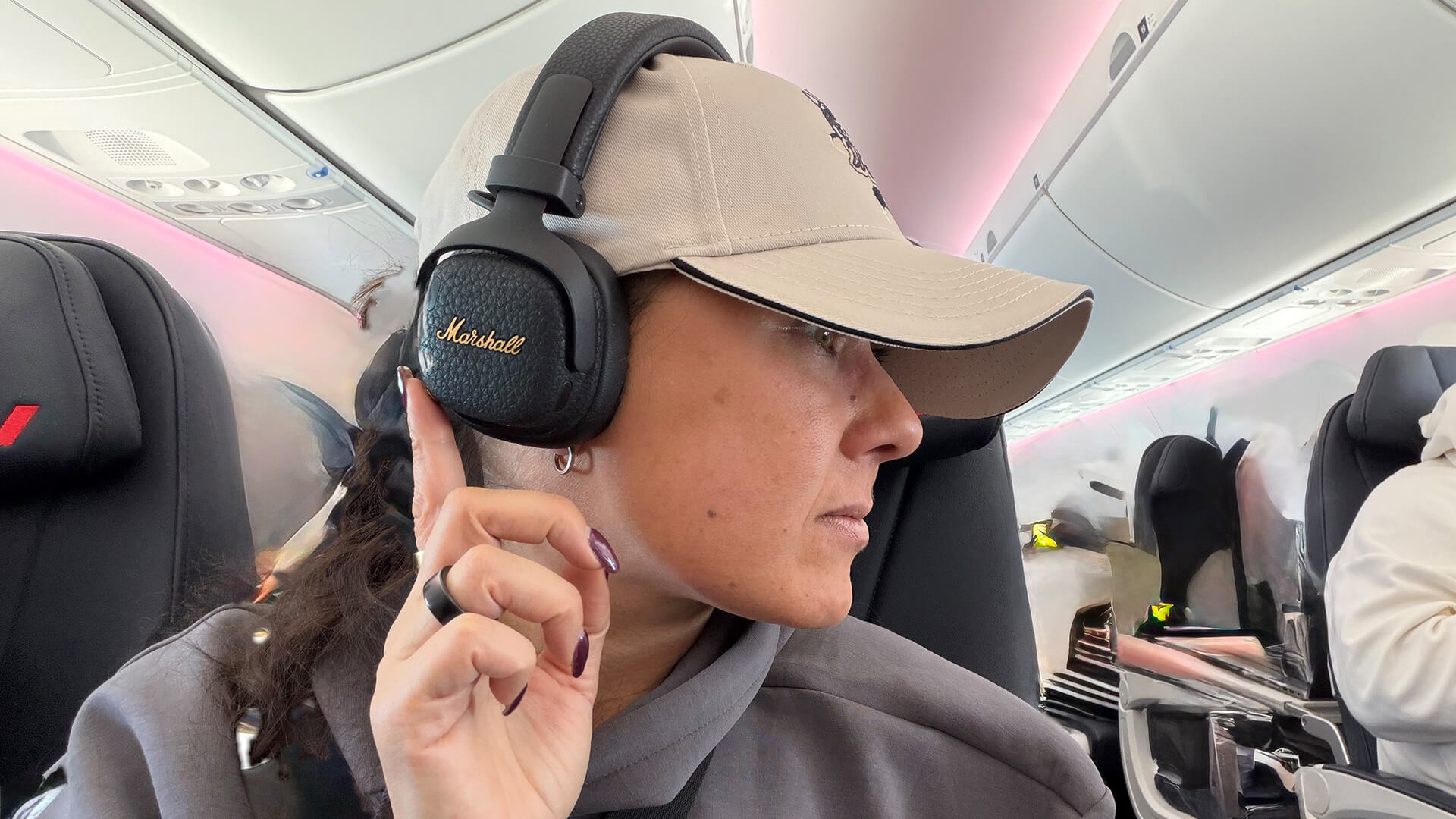
I put the Marshall Milton A.N.C.s to the extreme test right off the bat by, as noted, wearing them for my flights home from Stockholm. They sound great while connecting to both the seatback entertainment system via cable and wirelessly to my iPhone 17 Pro for watching TV.
I also connected them to my laptop in the hotel room to unwind with a few episodes of the Apple TV series Widow’s Bay. I enjoyed an immersive sound experience with episodes that feature both quiet and suspenseful moments and downright loud and horrifying ones. I was able to dive into the show while I sat back on the hotel bed. You get lovely clarity and great bass, amplified by the ANC that helps you forget about the world around you at the same time.
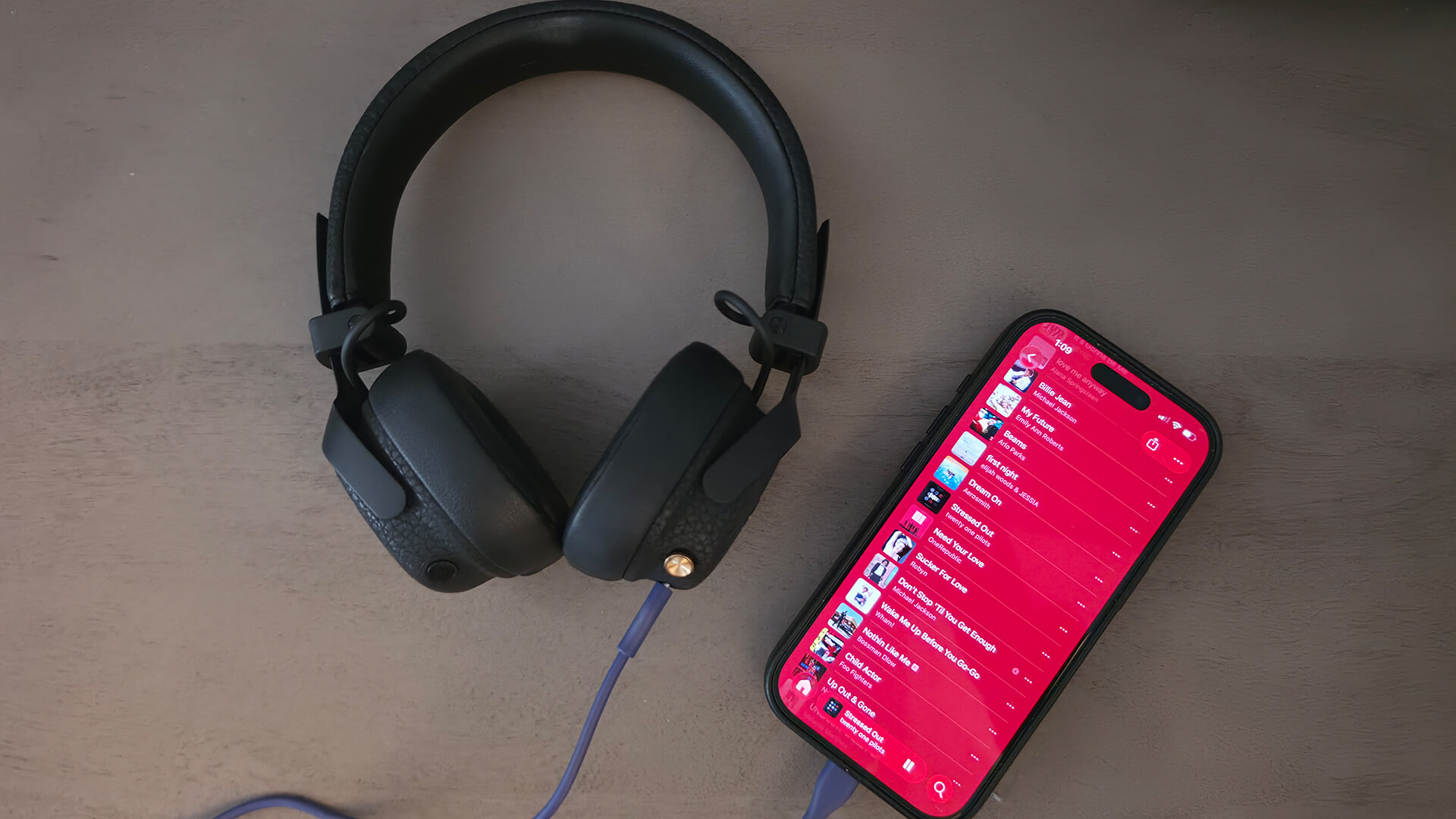
For wired listening, since I could not reasonably use the included USB-C cable to connect to my phone, as mentioned, I used my own high-quality cable. Connected to my iPhone, a-ha‘s “Take On Me” sounds rich and detailed with beautiful separation, instruments and the signature ’80s synth sound shining through. Compared to the same track playing via Bluetooth, it’s still dynamic and detailed, but not as punchy. There’s a marked difference, and it’s wonderful to have the option to listen via wired connection when the situation permits.
When enabling Soundstage, as I found with the Marshall Monitor IIIs, there’s a noticeable difference as well. Audio feels fuller: you get more of a concert feel experience versus a passive listening one. It’s more pronounced in certain tracks versus others, like N’SYNC’s “It’s Gonna Be Me,” which I listened to in celebration of the month of May (if you know, you know). It brings the vocals more into focus, as if you’re sitting in a stadium. Maybe you’re not front row, but you’re there.
Noise Cancelling Performance
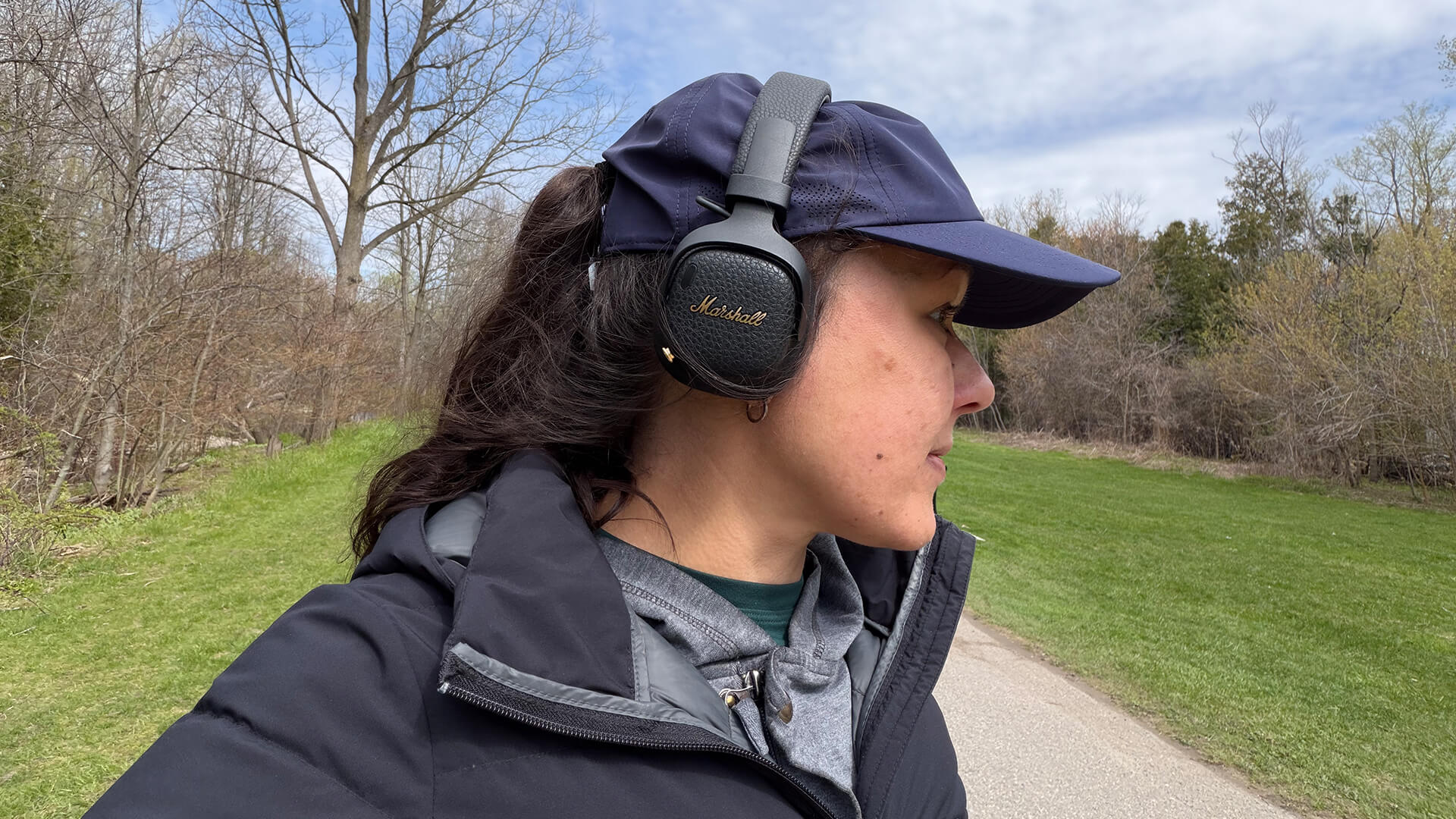
Wearing these both with audio and without on the plane, I was really impressed with the noise cancelling. They are just as good as over-ear headphones without feeling big and bulky on your ears. This helps when you want to tilt your head to the side to nod off, especially if you’re wearing a neck pillow. The bottom of the cup won’t uncomfortably brace against it.
Since I had the Bose QuietComfort Ultra 2s with me for the trip as well, I was able to compare the two side by side on the plane. Th Bose QC Ultra 2s are my favourite headphones for traveling with fantastic ANC, and the Marshall Milton A.N.C.s. do just as good a job at silencing the noise. The way my surroundings sound is different with each, and it’s tough to explain how or say one is better than the other. But they both cancel noise such that I can relax and not feel distracted, which is the most important thing.
I tried them both at home with just noise cancelling, too. In this scenario, they perform equally well, cancelling out the background sound of my furnace. While running a loud vacuum, the Bose QC Ultra 2s are a hair better in terms of quieting the sound, but it’s barely noticeable.
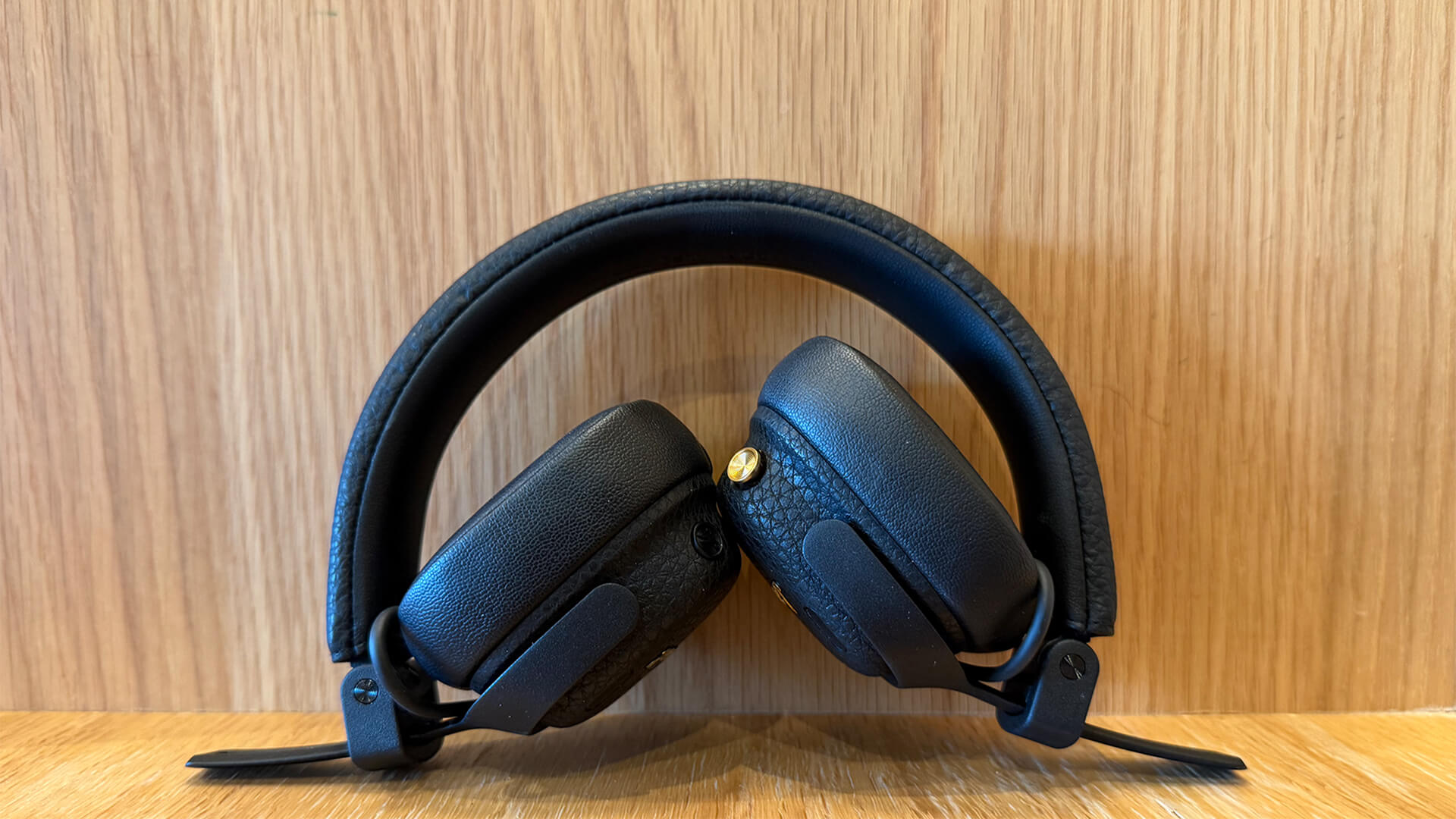
I also wore the Miltons while watching content on my laptop at home and listening to a podcast on outdoor walks. Outside, they effectively limited noise from traffic, making a noticeable difference with ANC cranked up to the highest level. Heavy winds sometimes impact the listening experience, but not to the point that it’s so intrusive you can’t listen. The incredibly tight seal of the cups to your ears actually help prevent wind noise from sneaking in.
Interestingly, one day while dealing with refrigerator issues that caused the fridge fan to spin loudly, I popped the headphones on to silence the constant and irritating noise until we got it fixed. I couldn’t hear a thing, and they helped me get through the workday without pulling my hair out.
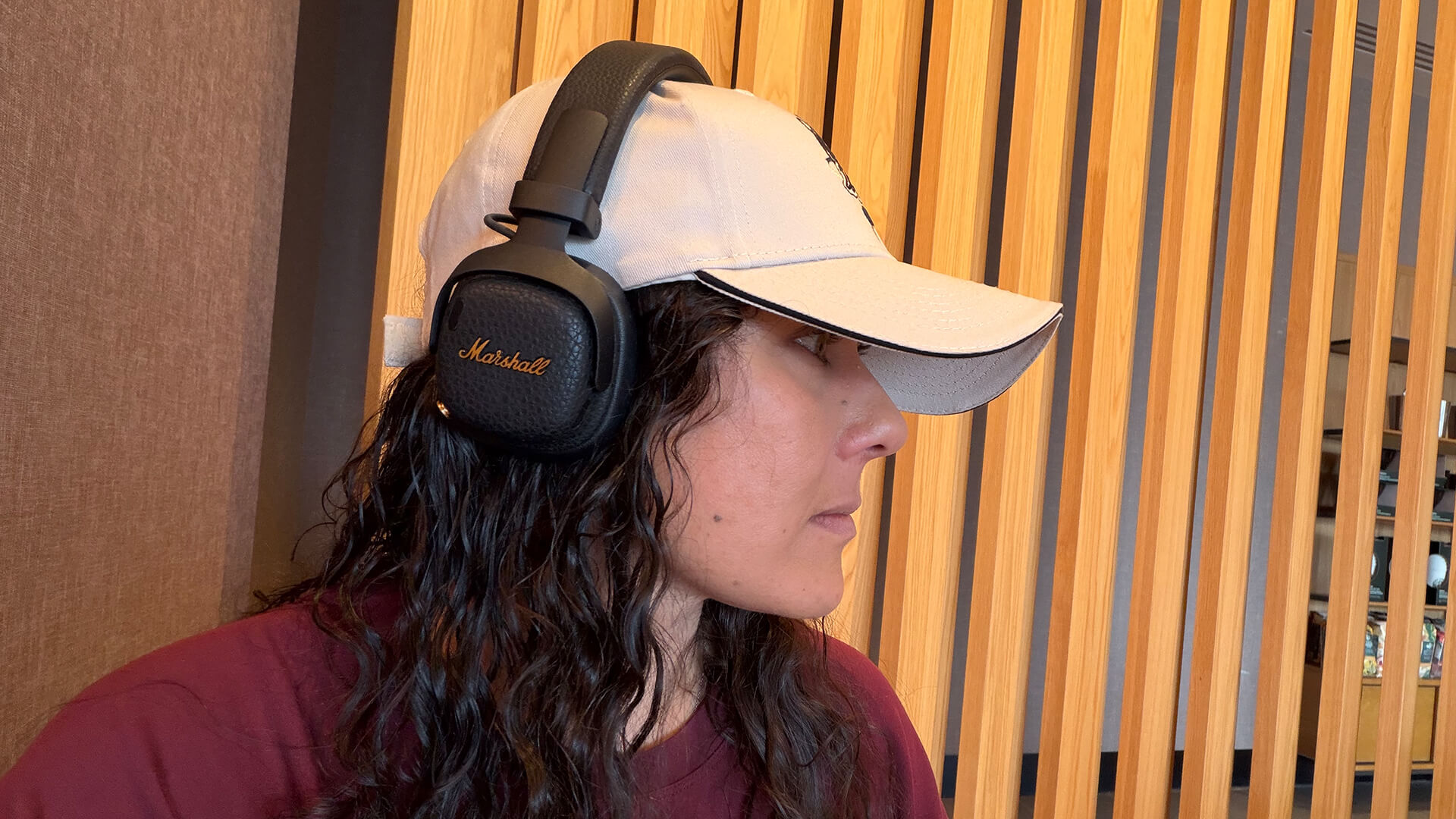
In a local coffee shop, ANC silences background noise very well. I could still hear the music playing, but it was like the volume was turned down several notches, so it wasn’t so distracting while I worked. Other noises, like the workers brewing cups, the furnace fan, and patron chatter, was also significantly reduced. I can confidently say that when it comes to noise cancelling, these headphones are top-notch.
The App
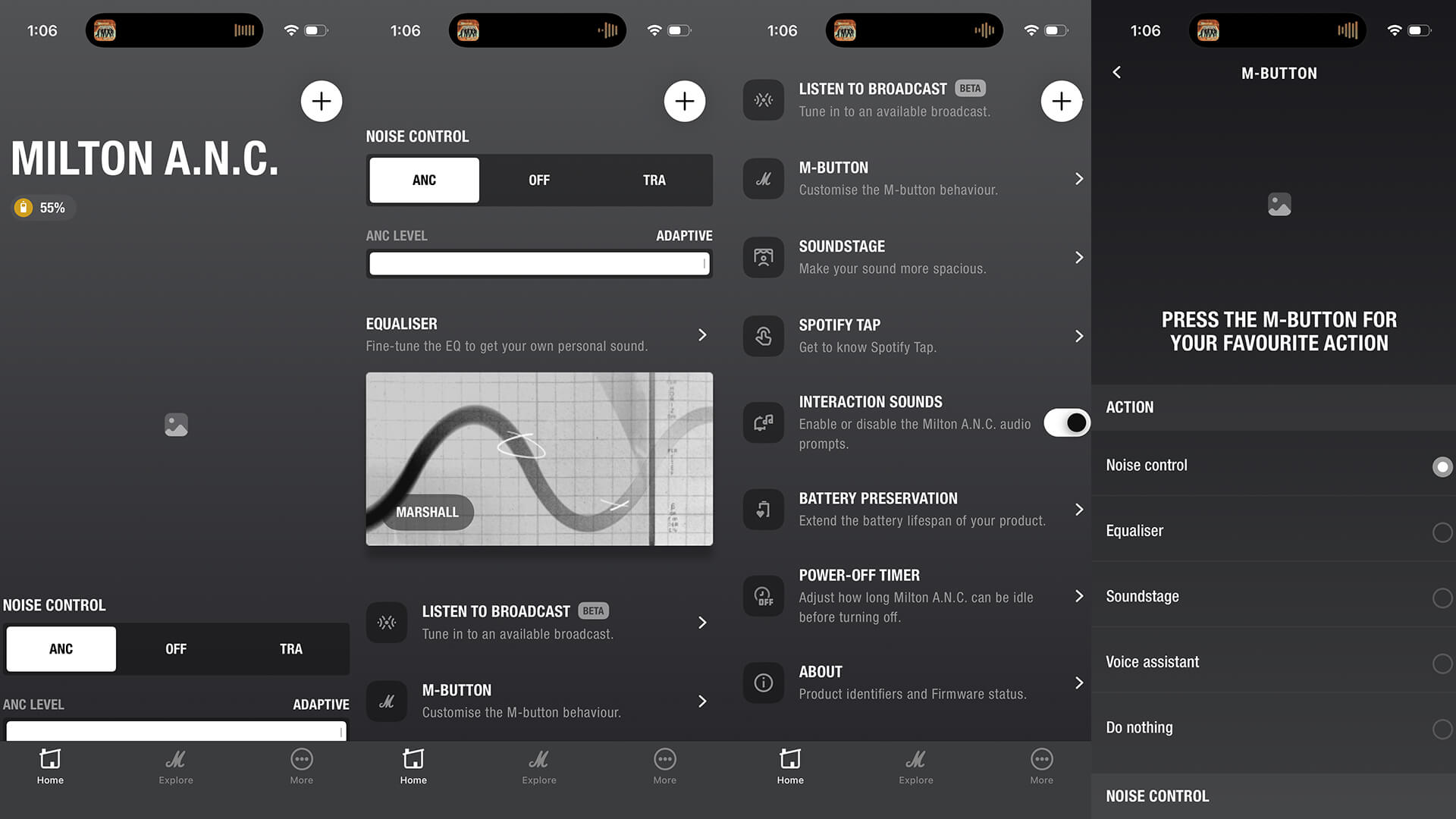
The app provides the basics you’d expect, including the option to adjust noise control (ANC, off, and transparency) as well as move the ANC level slider. There’s an EQ you can fine-tune, selecting from various presets or your own custom one. You can also save them in the second and third positions (first is original Marshall sound) for easy one-button selection. There’s also a slider to turn Adaptive loudness on or off.
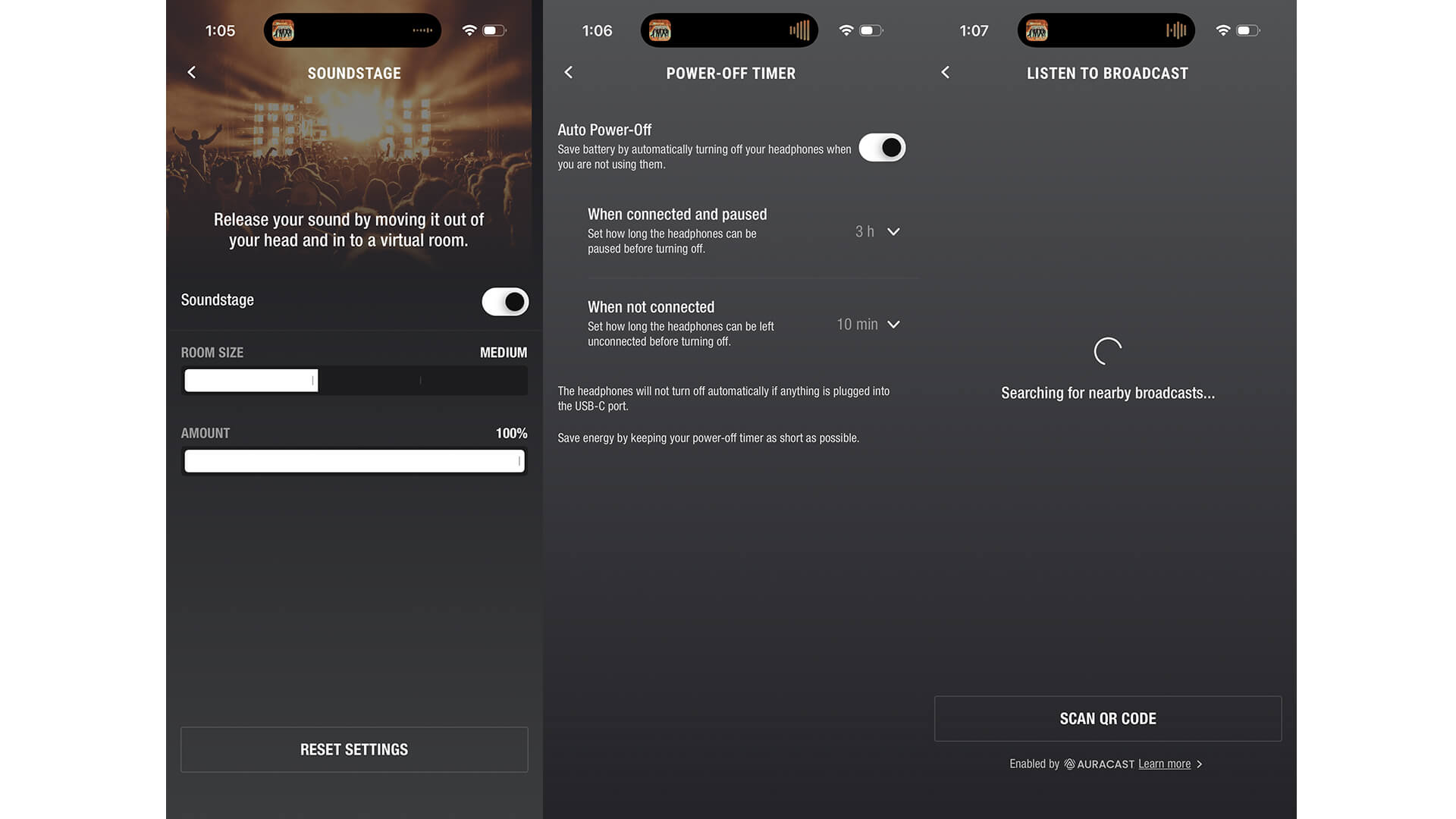
Use the app to customize the M-button as well, turn Soundstage on or off, set up Spotify Tap, enable or disable audio prompts, and adjust the power-off timer or battery preservation settings. You’ll also see battery life in the app and can access broadcast audio via Auracast once this feature is enabled.
Overall, the app is neatly organized and offers the basics of what you’d need and expect in a headphones app.
Battery Life
These headphones live up to the battery life promise. I rarely wore them without ANC on, and they lasted through weeks of occasional use, the battery still at 56% even a week after I returned from Sweden.
I wish there was an audible notification upon power up to advise of battery life. Without checking the app, you wouldn’t know how much battery life is left at any given time. An audible battery status message upon startup would have been great. With the Bose QC Ultra 2s, for example, a voice says “Battery, 80 per cent” on start-up, an appreciated feature.
I like being able to change the power off timer in the app, since the headphones remain on if you don’t manually turn them off. I set auto power-off to 10 minutes when they aren’t connected, 30 minutes when they are connected but audio is paused. This way, if I pack them away but forget to turn them off, the battery won’t drain.
While I’m at it, I do like that there’s a tone when it’s trying to connect, but I have no idea to which device(s) it has connected until I play something. Confirmation not only that my device(s) is connected but also to which one(s) would be useful.
Should You Buy the Marshall Milton A.N.C. Over-Ear Headphones?
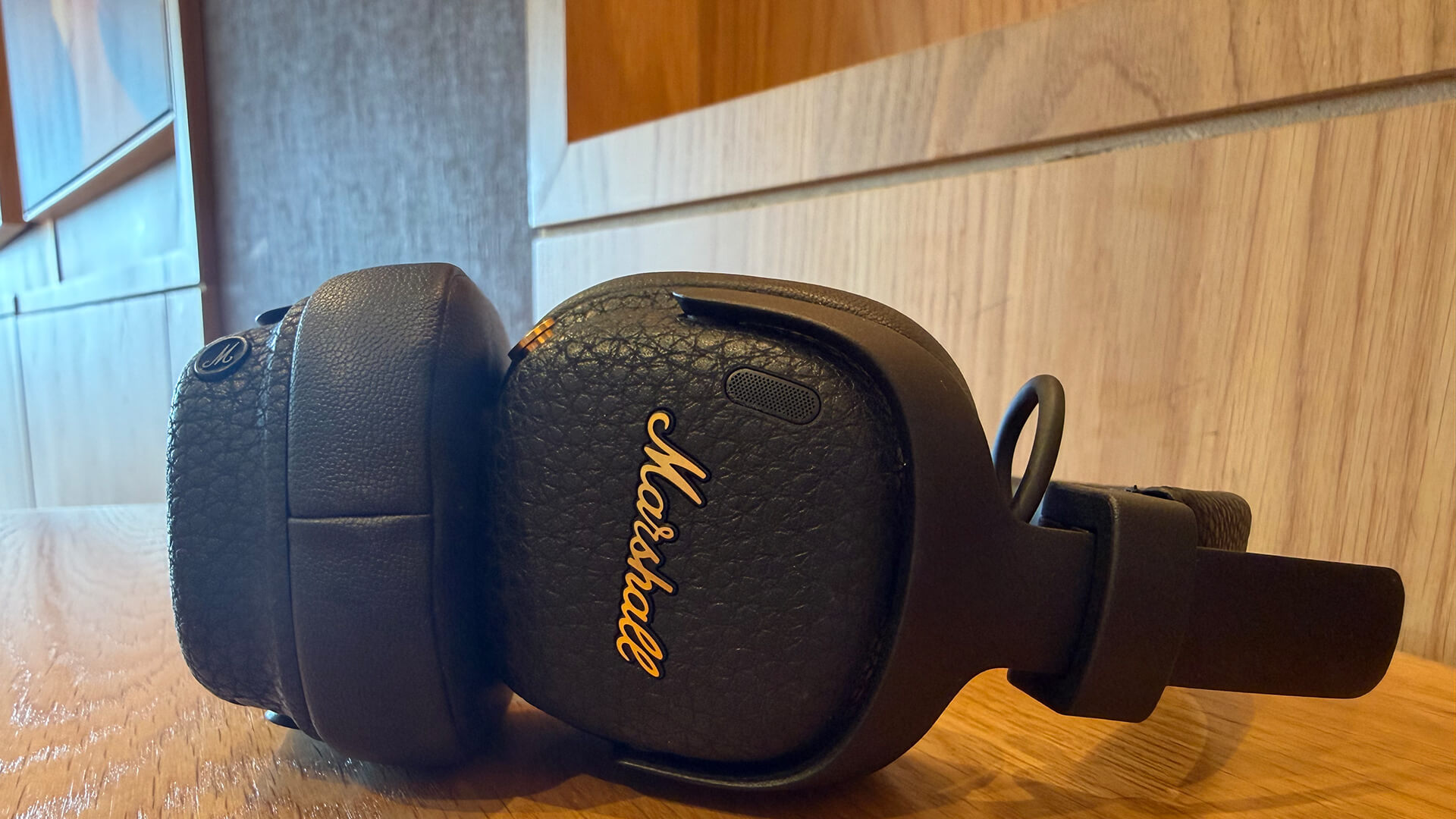
The Marshall Milton A.N.C. headphones are a solid offering that come in at a decent price. If you don’t like in-ears and find over-ears too big and bulky, especially for travel, these hit the right sweet spot. I don’t usually go for walks with anything but in-ears or on-ear buds because I find them too big. But I felt comfortable walking with these: they didn’t feel like massive headphones adding weight to my travels. Another advantage is that they fold up nice and small and won’t take up as much room in your bag as over-ears. As someone who crams my backpack to the brim for flights, it’s nice not to have to bring a massive hard case.
The ANC works impressively well, the fit comfortable for long periods, and the sound fantastic, whether you’re listening wired or wirelessly, and to music, podcasts, or movies and TV shows. While it’s missing some key features I love in competing models, like audible status updates and a usable USB-C-to-USB-C cable, these aren’t huge issues.
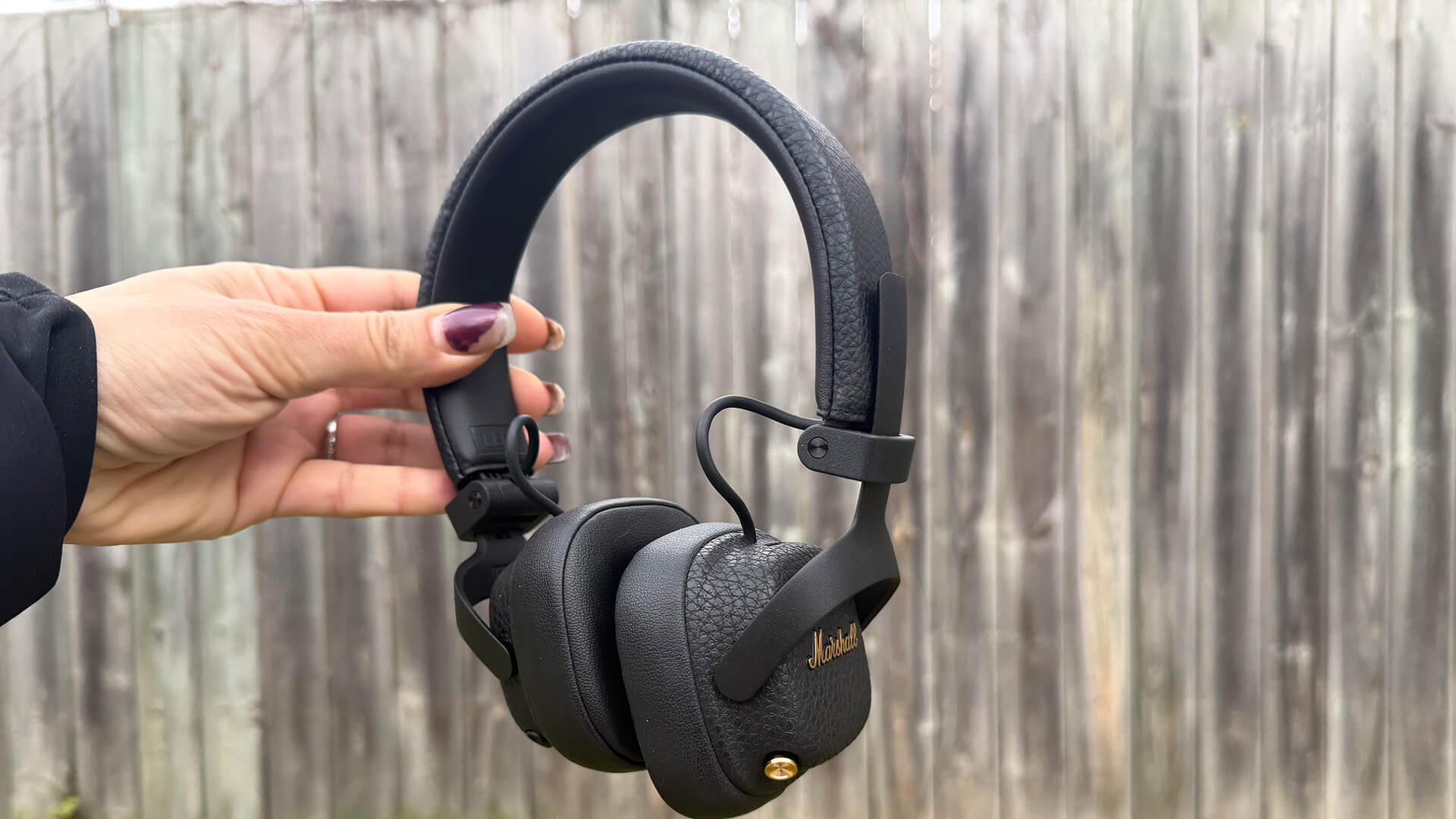
I love the physical buttons, the easy-to-use app, and the ability to adjust ANC based on your setting. Personally, I often go all or nothing with ANC, wanting complete silence. But it’s nice to have the option to tone it down when walking on a quiet trail so I’m not hit with any surprises, like a family of bicycles behind me ringing their bells or a pack of growling dogs coming my way (hey, you never know).
They’re the perfect option for frequent travelers, commuters, and at-home listeners. You can both use them at home and take them anywhere without either lugging around a huge case or plugging your ears with buds. They’re the perfect in-between that checks almost every box.
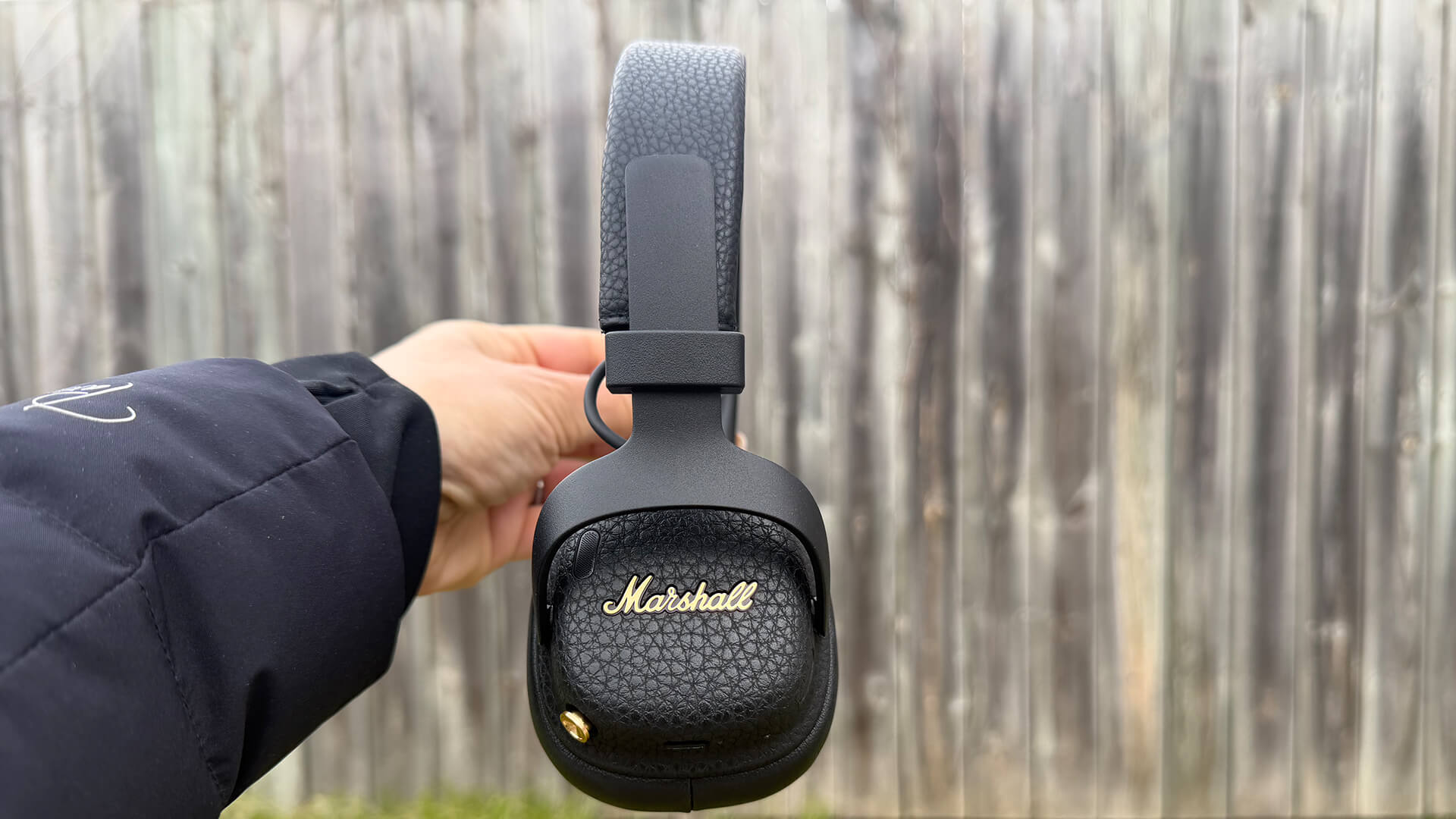
The Marshall Milton A.N.C. on-ear headphones, which will be available in Canada through Erikson Consumer, sell in Canada for $330. Would they be more attractive in the $250 range? Of course. But they’re still worth the price for the performance, effective ANC, and compact design.