
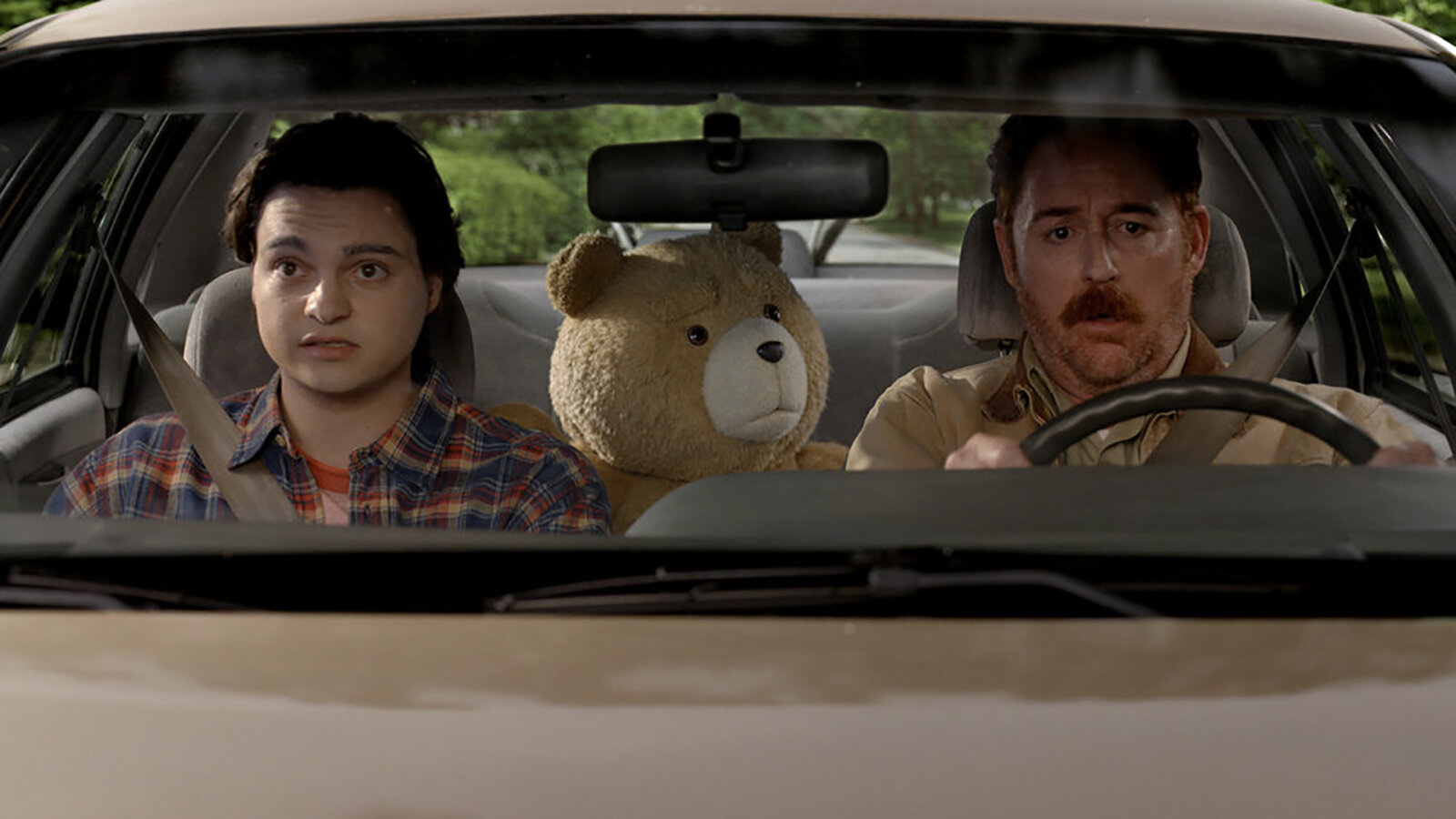
Seth MacFarlane’s hilarious comedy movie Ted had fans laughing all the way to theaters back in 2012, as did Ted 2 in 2015. In 2024, he released a fantasy comedy series of the same name for Peacock. Ted presents like a traditional ’90s sitcom but with raunchy sophomoric humor and of course, the same anthropomorphic stuffed teddy bear at the centre.
Almost two years after Ted Season 1, the show is back with a second season. Given the high production costs of creating Ted as a realistic walking, talking bear, Ted will not return for a third season. But thankfully, these eight episodes mark a fun, binge-worthy send-off.
More of the Same, In a Good Way
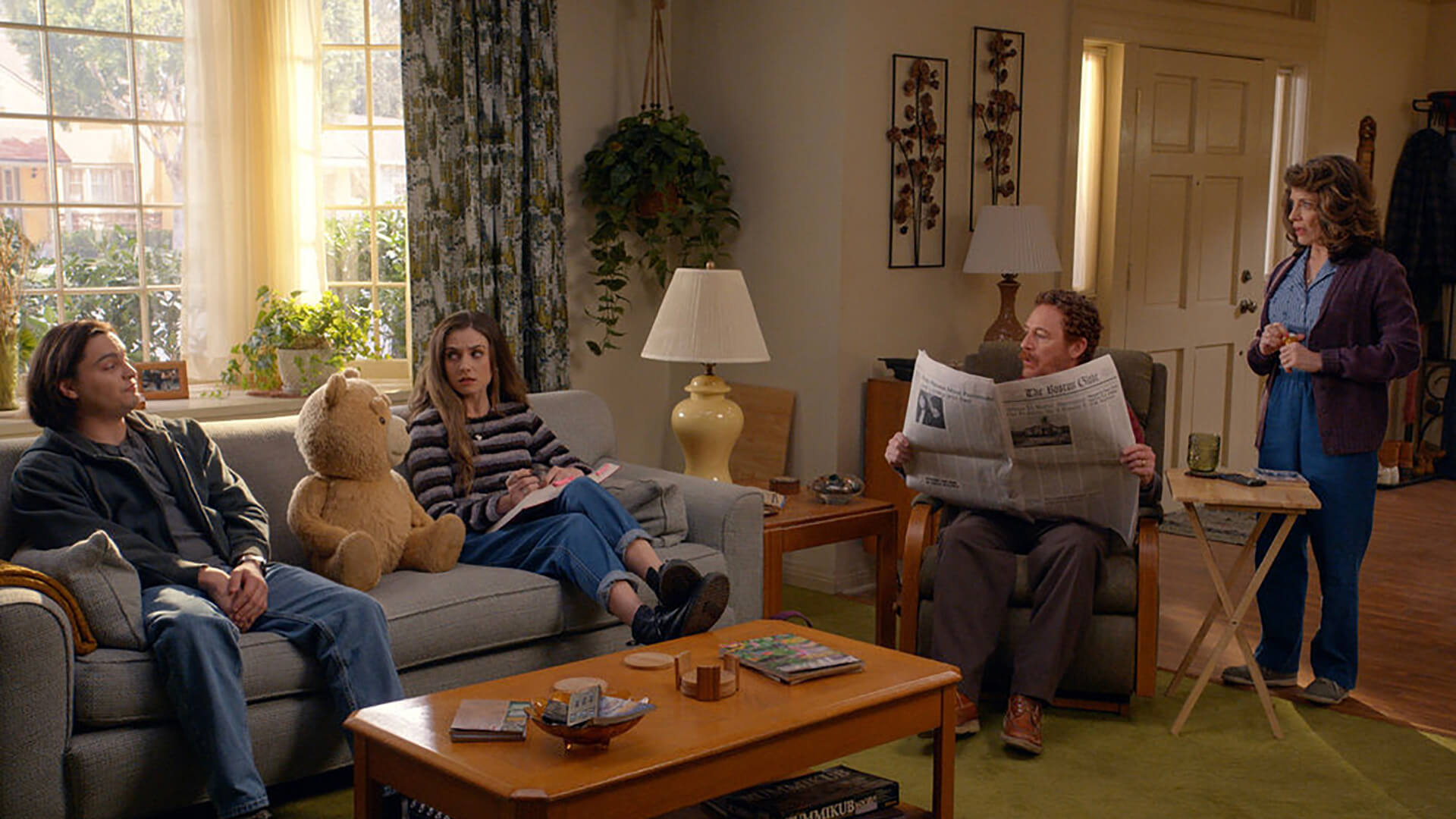
Ted Season 2 is more of the same juvenile humor you get in Season 1. John Bennett (Max Burkholder) is still a self-declared “loser” with no friends in high school but for the stuffed teddy bear Ted (MacFarlane) he wished would come to life when he was a child. The season continues to follow the pair and their antics as John navigates coming of age and approaches high school graduation. For the first time, he’s forced to think about what he will do with his life from here beyond try to get girls to notice him and smoke pot.
Their days in school involve doing anything but learning. They’re constantly getting up to trouble, going from one scheme to the next. Once back home, they sit in John’s room watching TV while smoking marijuana, often with John’s cousin Blaire (Giorgia Whigham) joining. It all comes together in a funny comedy that presents like a family sitcom, except it’s raw and unfiltered. This season dives into plenty of serious topics, including gender roles, politics, sexuality, and abortion. An entire episode is dedicated to the right to choose and the expectedly opposing views of members within the family.
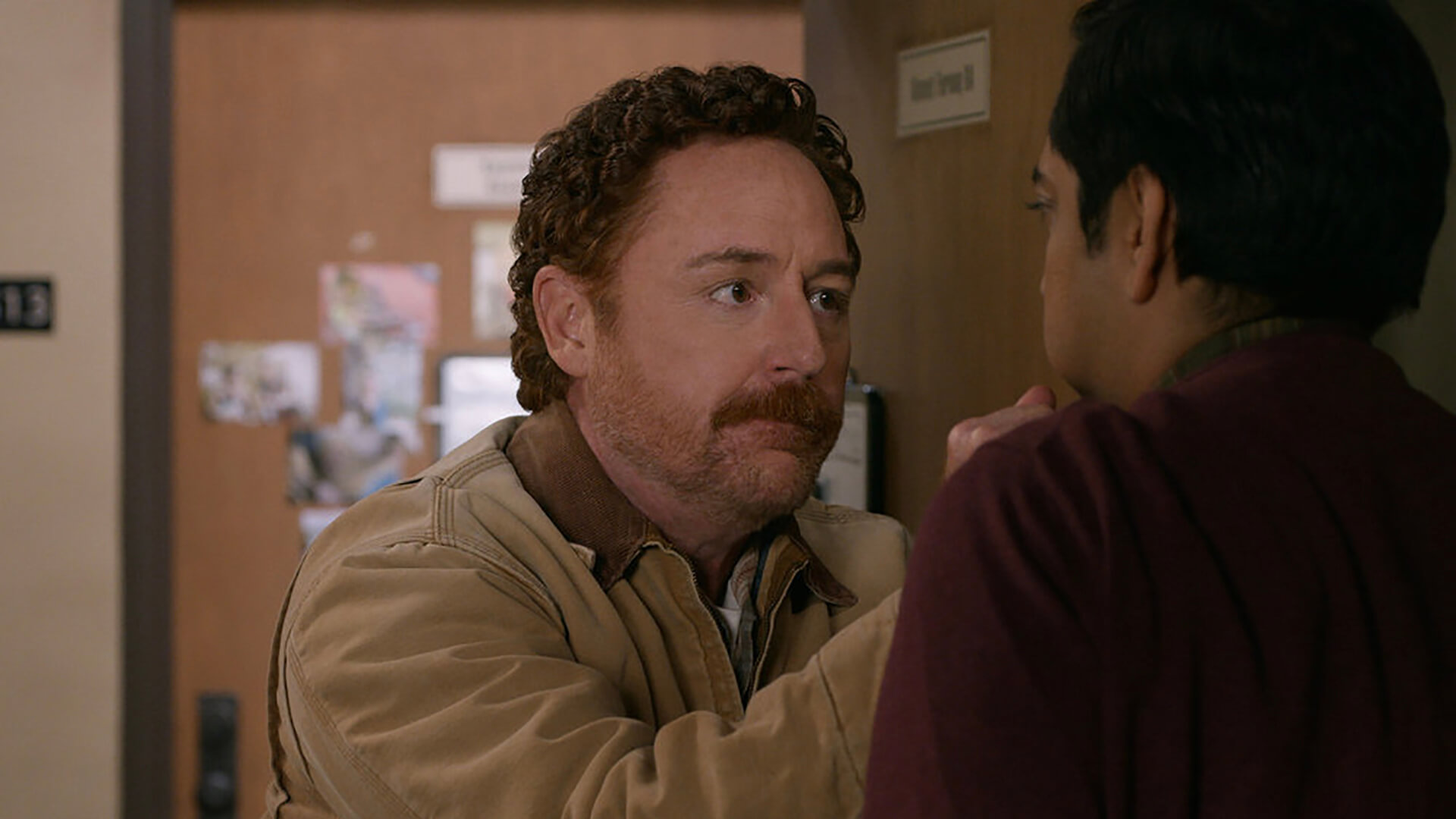
Despite discussing tough topics, Ted uniquely provides a voice for everyone such that while it’s a political show in one sense, it also doesn’t make any political statements beyond showing how absurdly rigid both extremes can be. Matty (Scott Grimes) says things that would shock most, but some do still share his views. Blaire is the liberal-minded, sexually fluid young woman who is deeply embarrassed by the things her uncle says. She’s unafraid to make her opposing feelings known, though, even if it means she’s constantly coming off as preachy. With plenty of “F” words and “God damn its” flying at dinner time, it’s entertaining dysfunction.
Ted doesn’t take itself seriously, and the intention is for you not to either. The ’90s pop culture references, from TV commercials to current events, the popularity of phone sex lines, Cosmopolitan magazine, Ricki Lake, and more, will take you right back to that decade. The Dungeons & Dragons episode marks an interesting departure from the usual style for the show, a bold decision that I’m not sure paid off.
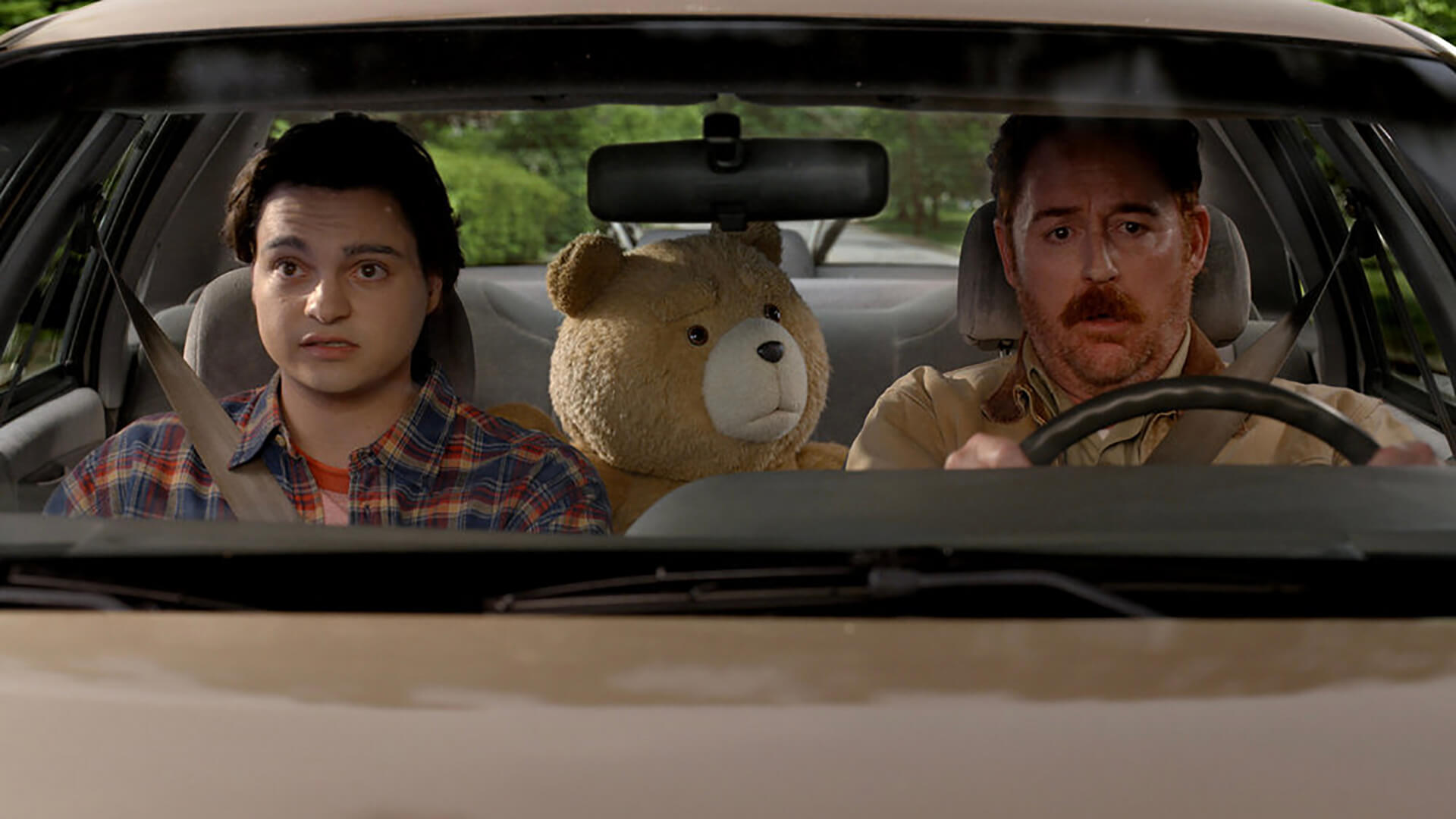
The show is a parody of ’90s families, high school, Boston lifestyle, and pop culture, with appearances from and mentions of everything from Dunkin’ Donuts to Hanes underwear and President Bill Clinton, who MacFarlane plans in a hilarious cameo. It’s also a spoof of traditional ’90s sitcoms and a reflection of stereotypes of the time. But mostly, it’s a vehicle to deliver the same raunchy humor that made the movies so popular. Any dirty idea you think Ted missed exploring in Season 1, rest assured, it’s in Season 2. From Ted’s sexual escapades to frequent discussions of bodily fluids (yes, plural for all types), even more offensive racist remarks, dangerous stunts, and inappropriate jokes that “go there,” it’s all in this season.
Every Character Stands Out
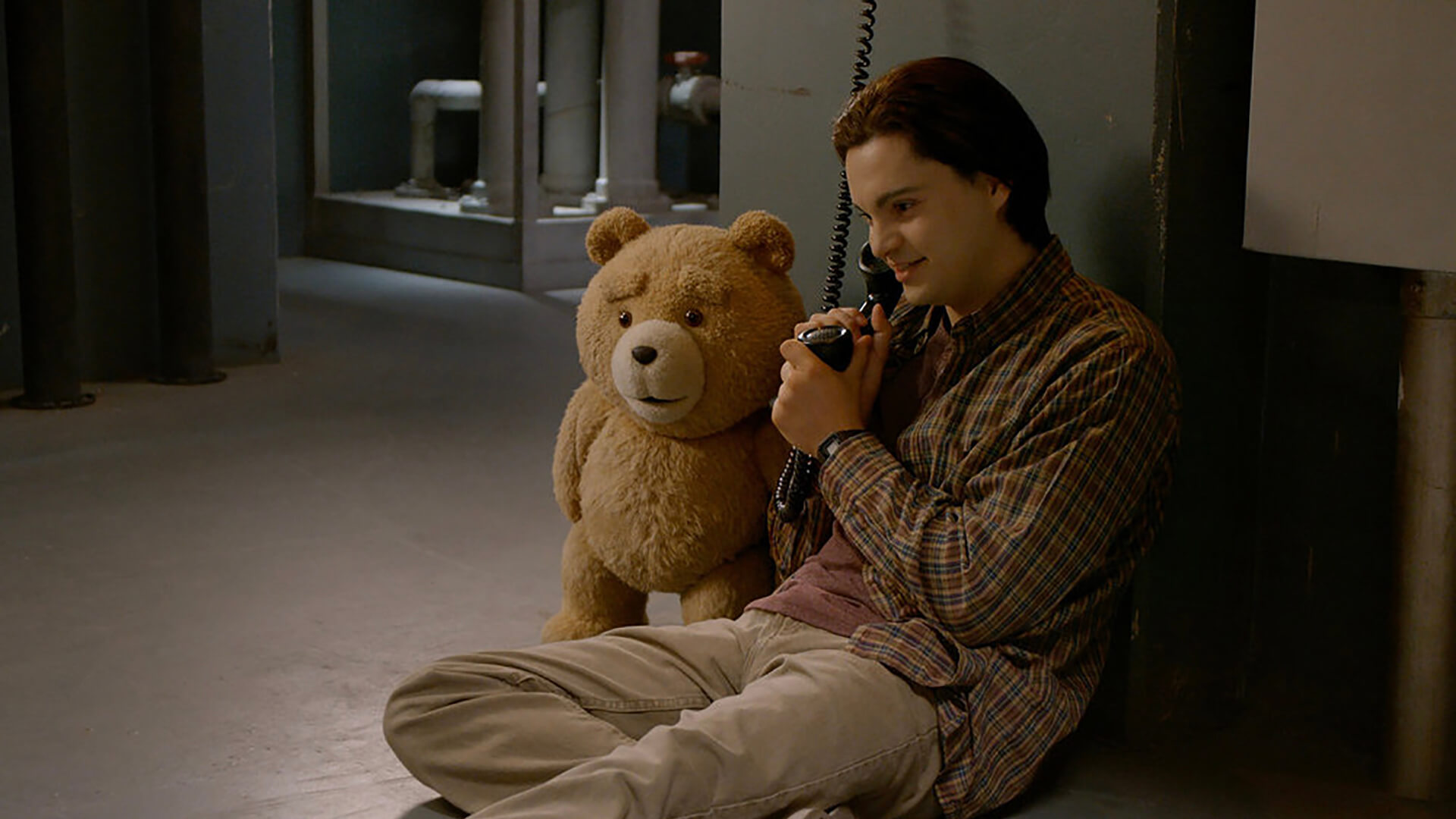
Ted is the perfect example of a great ensemble cast with writing that allows every character to shine. The series is supposed to be about John and Ted and their tight bond, which is both the most wholesome and the dirtiest, co-dependent friendship you can imagine. But Susan (Alanna Ubach), Matty, and Blaire steal every scene they’re in.
Ted might be the only actual non-human character, but the others all feel at times like they’re caricatures, representations of character archetypes we all know too well, from Matty’s Archie Bunker-type personality to Susan’s Barbara Billingsley meets Kitty Forman personality and Blaire’s Lisa Simpson/Topanga Lawrence mash-up.
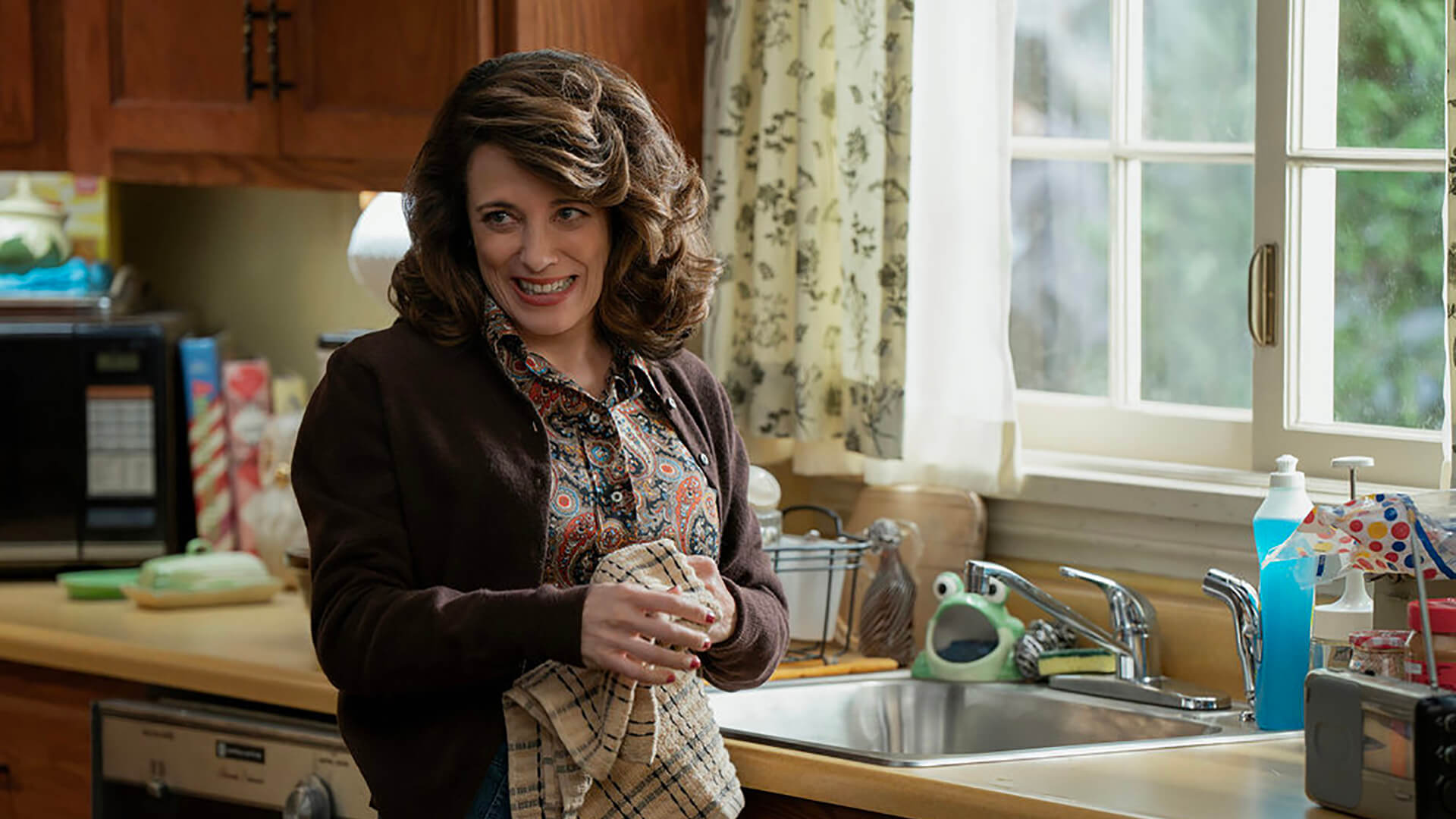
Ubach is an absolute gem as John’s mom. Her sing-song voice, infectious positivity, and sweet naivete should be grating and irritating, yet she oddly isn’t. She’s blissfully unaware of what her son does yet deeply terrified about him finding the wrong influences (not realizing the worst influence is about two feet tall and lives in the house with them). You wonder how she doesn’t see what her sweet boy does right under her nose, but you also believe it based on her strict religious beliefs and her complete ignorance about virtually anything naughty. She makes you feel warm and fuzzy inside, like you want to grab a cup of tea and forget all that’s wrong in the world when you see her. The episode when she’s gone for an extended period and the house ends up in shambles is a highlight.
If Susan is the calm before the storm, Matty is the storm, springing you back to life with his inability to say anything without complaining, screaming, offending someone, or having to run to the bathroom. He’s the stereotypical ’90s Republican working dad who is mad at the world and clearly never dealt with his PTSD after the war. The loud-mouthed, traditionalist racist and homophobic veteran is like that awkward, crass uncle who always talks politics at family gatherings and makes everyone uncomfortable with his viewpoints. There is one lovely scene, however, between niece and uncle when Blaire manages to unlock a vulnerable side Matty didn’t realize he had.
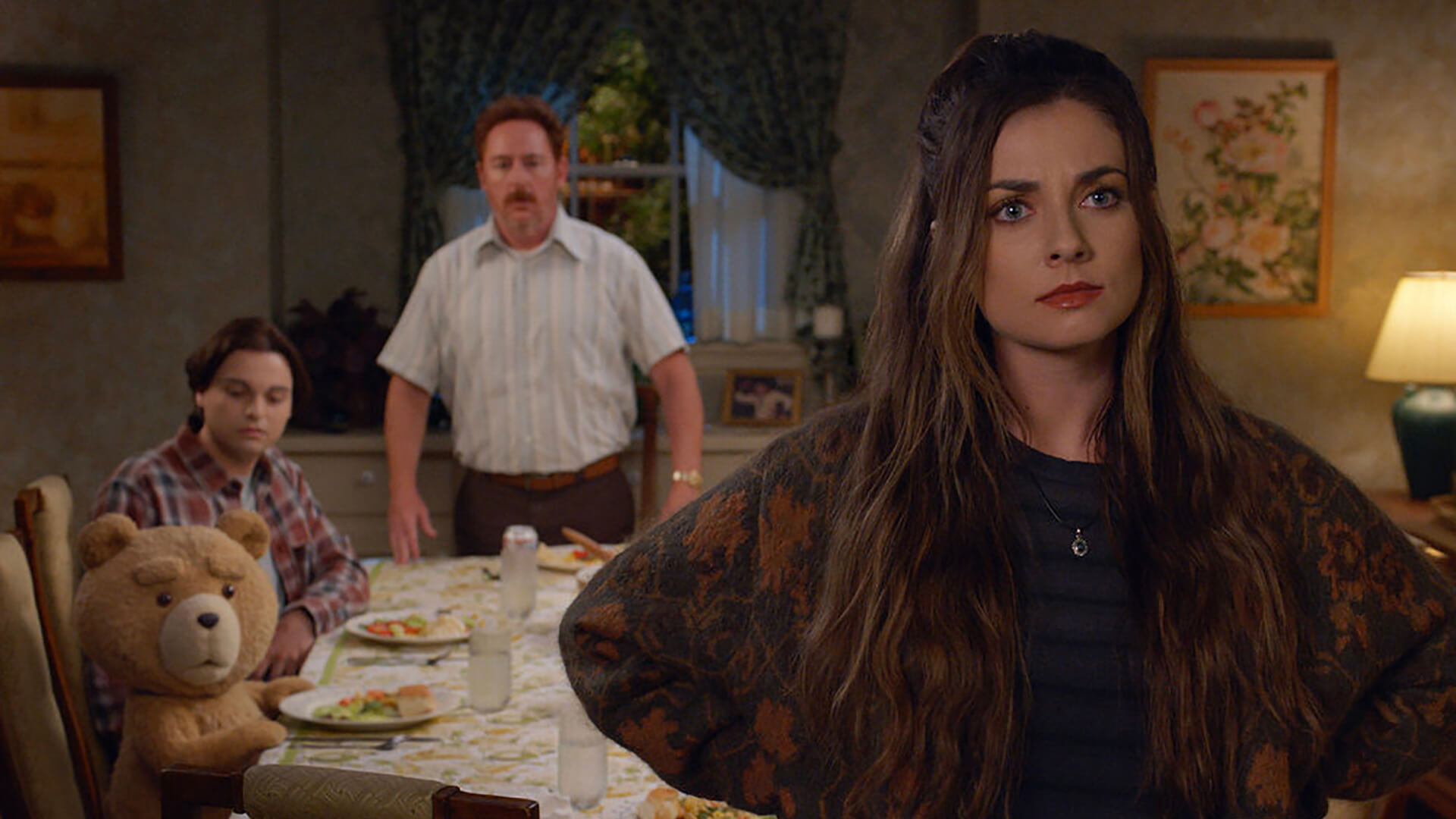
Blaire remains the characters fans will either love or hate, depending on what side of the political spectrum you sit on. Virtually, every view on life that Matty has, she has the opposite. And while nothing she ever says gets through to Matty in a meaningful way, it’s lovely to see them have this discourse daily yet still come back together as a loving family by the end.
For all of John’s quirks, we get to see that he grew up in a household with a lot of love. This might not inform the movies should you decide to re-watch them, especially since the series wasn’t conceived until long after the movies were made. But it’s a lovely backstory for a character you know turns out to never really mature, but ultimately, ends up OK.
A Fitting End to a Fun Comedy
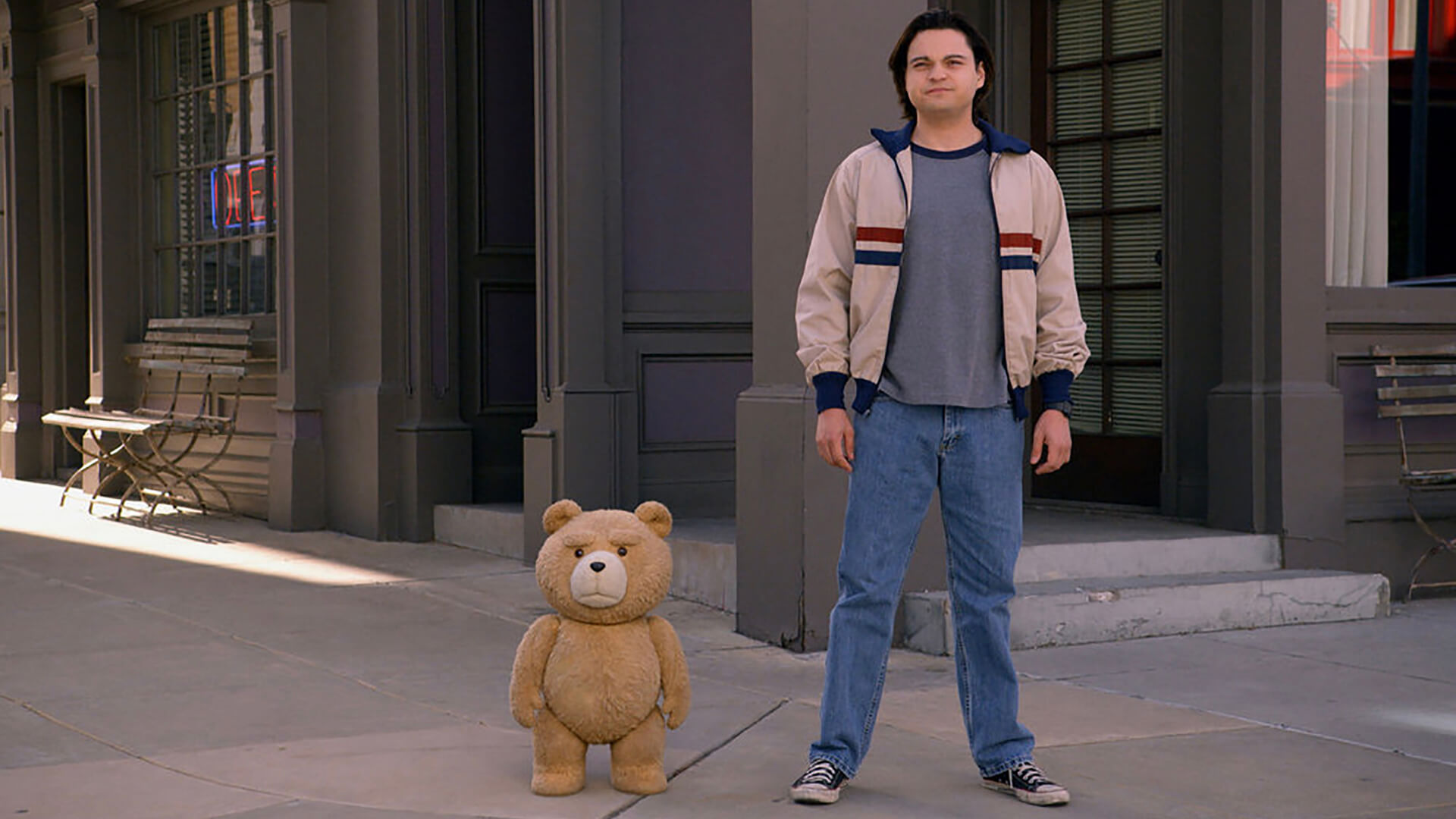
It’s nice that a second season of Ted was made to allow for a conclusion to the story. And the series ends in a way that sets up an absurd link to how John turns out more than a decade later, involving not much of a change with him outside of his physique. Maybe you’ll be able to squeeze a few moral lessons out of the show about acceptance, tolerance, loneliness, and personal drive. But it’s mostly surface fun with a stuffed bear living with a family, this generation’s ALF, but for mature viewers.
To love the show, you have to be open to appreciating a certain type of risqué, frat-boy humour. If you’re familiar with MacFarlane’s other works, like Family Guy, The Orville, and of course, the two Ted movies, it’s in the same vein. In fact, more crude, yet oddly still perfectly harmless.
Yes, Ted is vulgar, juvenile, and downright ridiculous. But it’s a wonderfully entertaining escape, a time capsule back into the ’90s, and a reminder of how adorably presented ’90s sitcoms were back in the day.
Stream Ted on Peacock in the U.S. and StackTV in Canada.