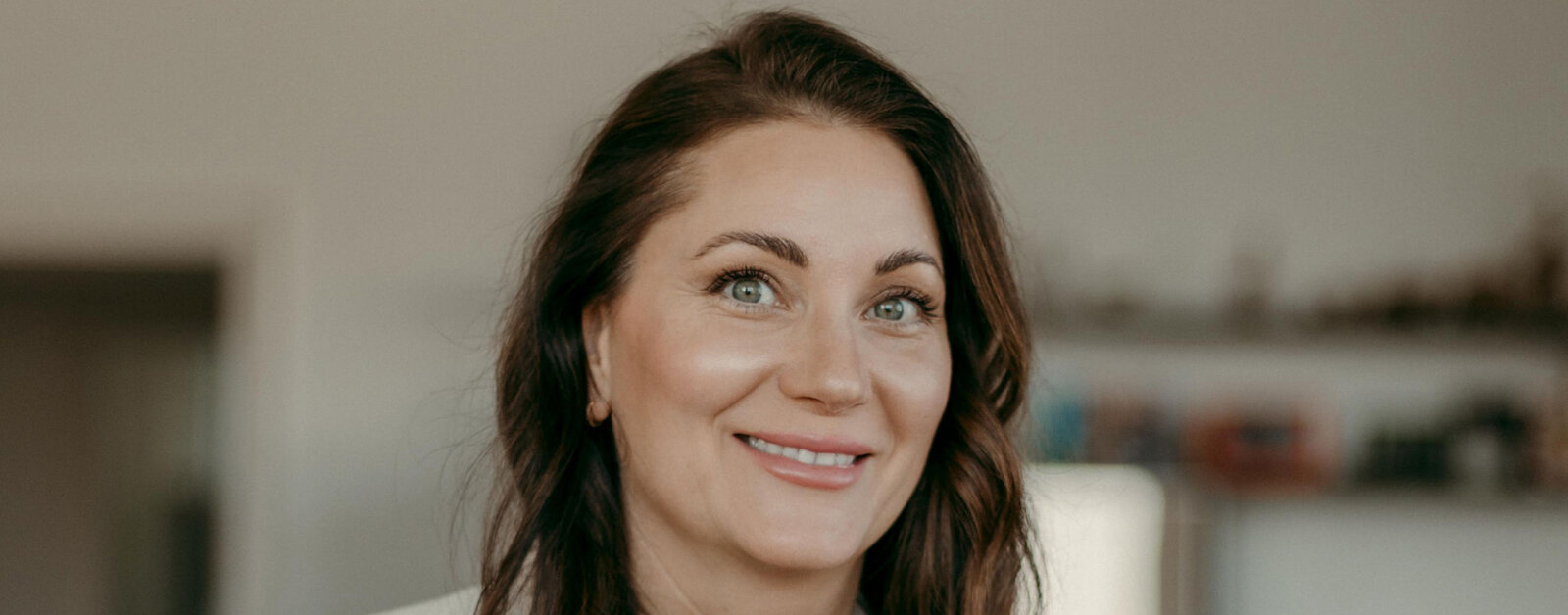
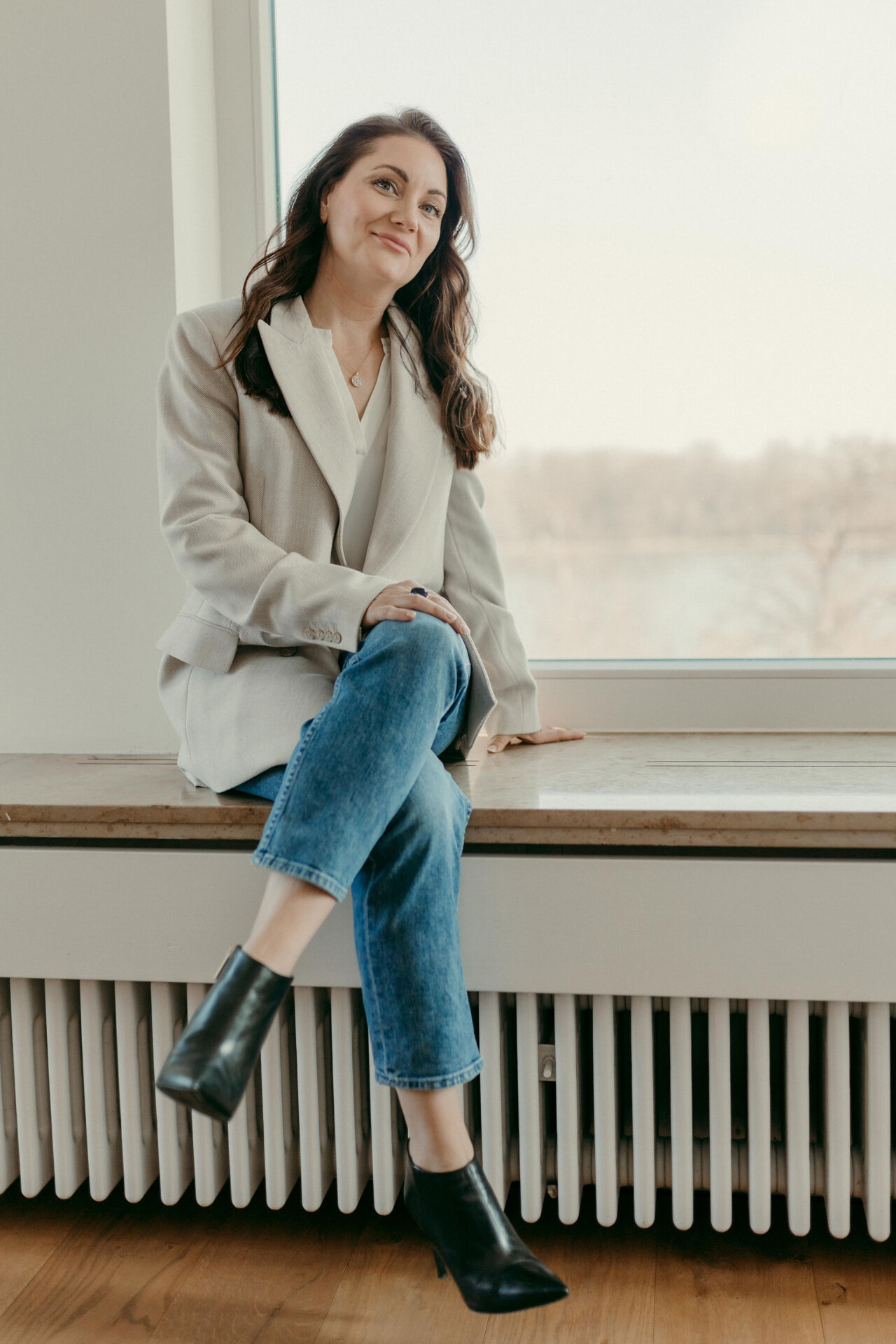
The latest candidate in our series of Q&As with influential women in the technology business is Natalie Boll, Founder & CEO, Tribela, a social platform designe to offer a “space between endless scroll and digital detox…built for real connection without the chaos.”
Name: Natalie Boll
Job Title & Company: Founder and CEO, Tribela
Years in the Industry: 20+ Years across media, technology, and digital storytelling.
The Quote That Most Inspires You: “There is strength in stillness, if you’re willing to listen.” (-original unknown)
What drew you to a career in the consumer and/or business technology industry?
After years of working in film and media, I became increasingly interested in how platforms shape culture, behaviour, and human connection. Technology isn’t just tools; it’s architecture for how we live. I was drawn to the opportunity to build products that support people rather than extract from them.
Over time, I began to recognize a recurring pattern in how online platforms were shaping behaviour and connection, and I realized I didn’t want to keep waiting for change to come from within those systems. I had to create that change.
Have you encountered any roadblocks along the way that were related to your gender?
Yes, particularly around credibility and perceptions of scale. Women are often asked to “prove traction first” in ways male founders aren’t, especially in capital-intensive or technical spaces. There’s also a tendency to frame women-led products as niche or emotional, even when the problems being addressed are systemic and global.

What unique characteristics or perspective do you feel you bring to your organization as a woman?
I bring a background in film and television alongside a systems-level perspective grounded in lived experience as a mother of three. When you see technology through your children’s eyes, you understand it very differently.
I think deeply about how technology feels, not just how it functions. That perspective shapes everything from product design to business model decisions, because I believe the long-term health of a platform depends on how well it fits into real human lives.
Technology is historically a male-dominated industry, yet the use of tech is fully embraced by women, and many studies even suggest that females are the primary buyers of tech in the home. What do you feel the technology industry needs to attract more women, particularly into high-level positions?
The industry needs to value different leadership styles and forms of lived expertise. That means expanding the definition of technical leadership, funding women earlier, and recognizing that products shaped by empathy, ethics, and long-term thinking are not “soft,” they’re strategic.
Most importantly, we don’t need more women to become like men to succeed in tech. We need more women showing up as women. Technology needs more femininity, contextual awareness, and care for long-term impact. That perspective is essential to building healthier systems.

If you had to sum up what it is like being a woman in this male-dominated technology industry in just a few words, what would you say?
Grow strong roots. Draw on resilience. Bring other women up with you. Some of my most difficult experiences haven’t come from men, but from women reinforcing stereotypes or pulling others down. If we want real change, we need to stand with each other and lead differently together.
Are there women in the tech industry who inspire you?
Whitney Wolfe Herd has been deeply inspiring. Building Bumble from a female lens and standing firmly for values and fairness took real courage. Melinda Gates also inspires me greatly. Her leadership, strength, and commitment to advancing women’s equity, particularly through periods of very public personal change, demonstrate a quiet, enduring form of power.
What are some of the misconceptions/myths about women working in the technology space that you’d like to dispel?
That women are less technical, or that technological genius only comes from young men in hoodies. My own mother was the first person in our neighbourhood to own a computer. She loved mathematics and problem solving but had to attend an all-boys school to study calculus because her all-girls school didn’t offer it. Women have always been capable technologists; access has simply been limited or overlooked.
What’s one thing you wish was done differently in the industry, and why?
Doing good does not mean sacrificing revenue. We can build profitable companies without harming people.
I wish success weren’t so tightly tied to speed, scale, and extraction. If we rewarded long-term well-being, sustainability, and real social impact instead of short-term growth metrics, we’d see better products and far more diverse leadership emerge.
How do you feel the latest shift to AI will impact the way you do your job and opportunities for women in the industry?
AI will amplify existing values, for better or worse, which is why women must be involved early in shaping these systems. It presents an opportunity to rethink moderation, personalization, and governance, but only if diverse voices are part of the design process, not just implementation.
Are you optimistic for the future in general and for the industry?
Very optimistic. There’s a growing awareness that the current model isn’t working, and that awareness creates space for new approaches. I’m encouraged by the number of women building intentional, values-led technology, and by people who are demanding better. Change doesn’t happen overnight, but it is happening.