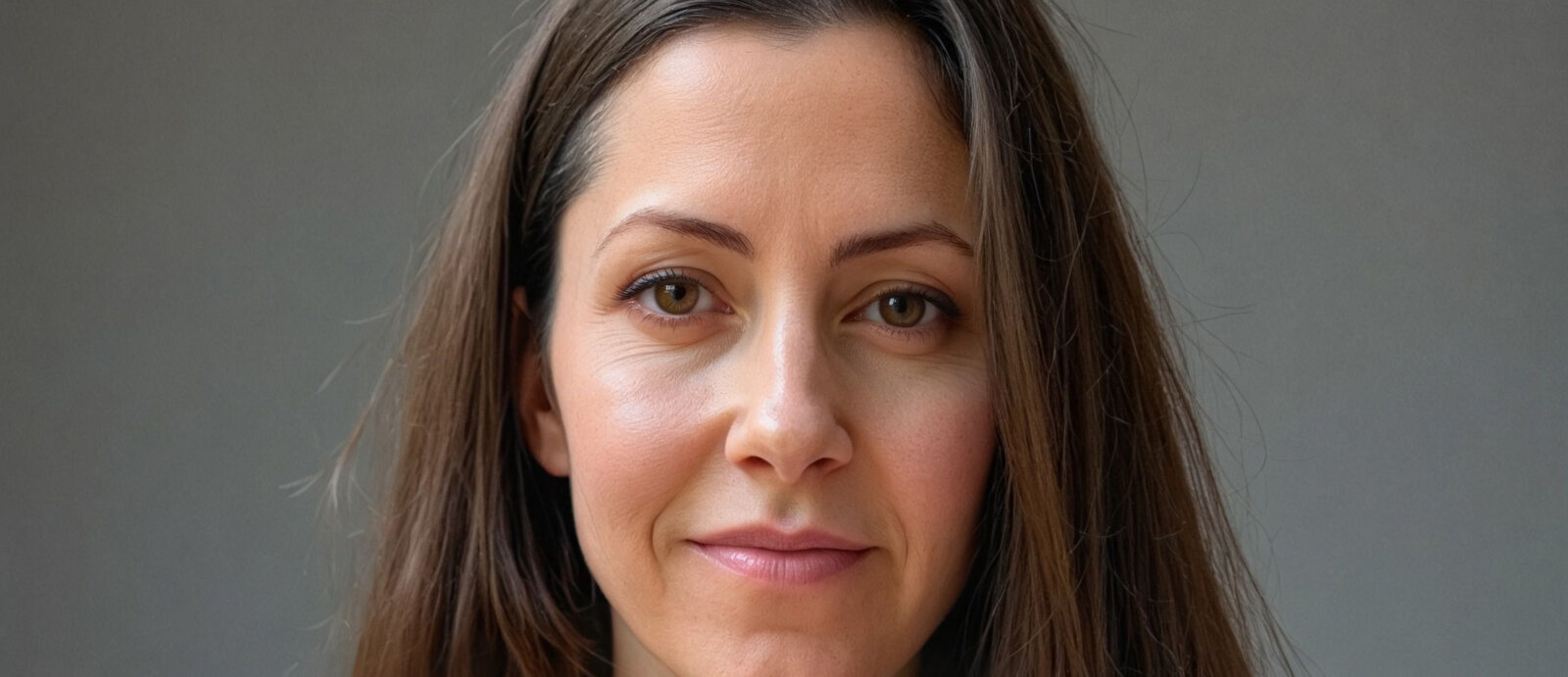
The latest candidate in our series of Q&As with influential women in the technology business is Melissa Gallagher, Co-founder & CEO, Alma Care, a holistic, in-home postnatal care platform for new parents.
Name: Melissa Gallagher
Job Title & Company: Co-Founder and CEO, Alma Care
Years in the Industry: 12+ Years across wellness, consumer services, and tech-enabled marketplaces.
The Quote That Most Inspires You: “Let them.” (- Mel Robbins)
What drew you to a career in the consumer and/or business technology industry?
I didn’t set out to work in tech, per se. I set out to solve problems that directly impacted me.
When I became a mother in 2022, I experienced the fragmentation of postpartum care firsthand. I had access, resources, and education, and it was still disjointed, reactive, and difficult to navigate. That moment shifted something for me. I wasn’t interested in commentary about the problem. I wanted to build the infrastructure.
What drew me to consumer technology was the realization that if I could solve this for myself, I could solve it for thousands of other women. Technology became the mechanism for scale, consistency, and accountability in a space that historically relied on word-of-mouth and patchwork solutions.
I build from an intimate understanding of the problem, and tech has enabled me to scale quickly and with an edge.
Have you encountered any roadblocks along the way that were related to your gender?
Absolutely, [when] building a business while pregnant and postpartum. I’ve led a scaling team while running on just one hour of sleep, made difficult decisions while pumping, and taken interviews with a crying baby in the background. I was facing physical and mental roadblocks and questioned my ability to reach my own goals, daily.
However, building while living it truly sharpened my edge. I had the opportunity to dog food our product in the most vulnerable way, and come out mentally and physically stronger, as a result.
What unique characteristics or perspective do you feel you bring to your organization as a woman?
I know what it feels like to need support and not know where to turn. I know what it feels like to want to perform at a high level professionally while recovering physically and emotionally. I returned stronger postpartum, not because I pushed harder, but because I had structured, intentional support. That experience shaped how I built Alma: proactive care plans, vetted providers, operational excellence and measurable outcomes.
There’s also a level of emotional intelligence that comes from living the journey. Postpartum isn’t just a clinical phase, it’s an identity transformation with daily changes and nuances. Building a product for that moment requires empathy, nuance, and rigour.

Technology is historically a male-dominated industry, yet the use of tech is fully embraced by women, and many studies even suggest that females are the primary buyers of tech in the home. What do you feel the technology industry needs to attract more women, particularly into high-level positions?
Women build solutions to problems they experience. Those problems are often systemic and high value: healthcare navigation, caregiving infrastructure, financial planning, and workforce retention.
We also need leadership structures that don’t force women to choose between ambition and family. The future of work has to reflect how high-performing women actually live, and build infrastructure to support it.
If you had to sum up what it is like being a woman in this male-dominated technology industry in just a few words, what would you say?
Empowered to build the future I want to live in!
Are there women in the tech industry who inspire you?
Emma Stern, a dear friend and trailblazer in Canadian health tech at felixforyou.ca. Dr. Neta Gotlieb, PhD, who is leading the development of women’s health features for Oura. Michele Romanow, another dear friend who has built and enabled builders in the tech space for decades.
What are some of the misconceptions/myths about women working in the technology space that you’d like to dispel?
There may be a misconception that women-led companies are “mission-driven” at the expense of scale. In reality, solving essential problems often creates the most durable, defensible businesses. At this point in time, we all have more opportunity to build faster and with fewer resources than ever before. It’s an exceptionally exciting time.
What’s one thing you wish was done differently in the industry, and why?
If I could change one thing, it would be how proactively we equip women to build with AI, not just use it. We’re at a moment where AI is reshaping productivity, product development, and capital efficiency. I’d love to see more structured pathways for women, especially founders and operators, to experiment, build, and integrate AI confidently.
The companies built in the next five years will look fundamentally different. Ensuring women are architecting those systems, not just adapting to them, is critical.
How do you feel the latest shift to AI will impact the way you do your job and opportunities for women in the industry?
There are so many things that I’m excited about, from productivity and capital efficiencies to delivering precise care plans with measurable impact. For women in tech like me, it’s an opportunity to prove that those who understand the problem intimately can design solutions that scale smarter and stronger than ever before.
Are you optimistic for the future in general and for the industry?
Yes! I’m optimistic because the tools we have today give us the ability to build solutions that truly improve the human experience. When we combine technology with diverse perspectives and expertise, we can create systems that are smarter, more inclusive, and more impactful than ever before.