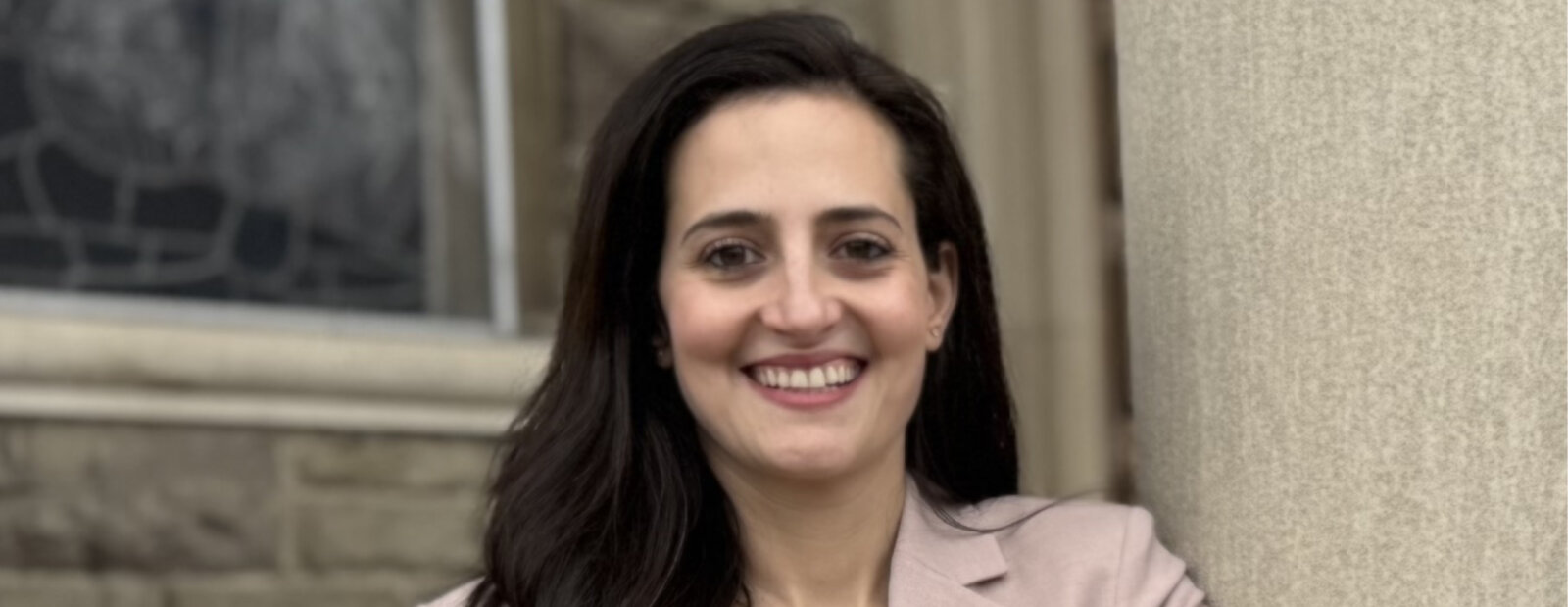
The latest candidate in our series of Q&As with influential women in the technology business is Madge Rumman, Founder & CEO, Blair Health, an expert-backed clinical leader in midlife women’s health, helping women access instant diagnoses, track symptoms 24/7, receive personalized treatment plans, and connect with specialist care.
Name: Madge Rumman
Job Title & Company: Founder & CEO, Blair Health
Years in the Industry: 8 Months
The Quote That Most Inspires You: “Whether you think you can, or you think you can’t, you’re right.” (-Henry Ford)
What drew you to a career in the consumer and/or business technology industry?
I’ve always been drawn to technology’s ability to solve complex problems at scale. Early in my career, I led product and business teams in fintech, building solutions that reached millions of consumers and reshaped how people access financial services. That experience showed me the power of combining innovative technology with a deep understanding of user needs.
When I founded Blair Health, I saw an opportunity to apply that same approach to healthcare, using technology to close gaps in specialist access and deliver personalized, high-quality care to women in midlife.
Have you encountered any roadblocks along the way that were related to your gender?
I’ve been fortunate to have incredible bosses early in my leadership career who saw my potential and championed my growth. That said, I’ve encountered the typical gender biases that come with holding a role like head of product that’s traditionally dominated by men. People are often surprised by my level of technical expertise, which is a subtle reminder that those biases still exist.
What unique characteristics or perspective do you feel you bring to your organization as a woman?
I bring the lived experience of representing 50% of the population, along with a deep empathy for others that allows me to see needs, gaps, and opportunities others might overlook. This perspective shapes how we design and deliver care at Blair Health, ensuring our solutions are not only clinically effective, but also human-centred and inclusive.

Technology is historically a male-dominated industry, yet the use of tech is fully embraced by women, and many studies even suggest that females are the primary buyers of tech in the home. What do you feel the technology industry needs to attract more women, particularly into high-level positions?
We need to encourage more women to pursue careers in STEM from an early age, while also fostering supportive and inclusive work environments. Women supporting other women is critical but so is finding leaders who value talent and results over gender.
Reaching high-level positions also requires creating your own opportunities and having the confidence to advocate for yourself. These are skills that should be nurtured and reinforced at every stage of a woman’s career.
At the same time, there needs to be more intentional investment in female-founded businesses and in technology that addresses female-focused issues. This is one of the largest gaps in the industry and closing it would unlock enormous innovation and market potential.
If you had to sum up what it is like being a woman in this male-dominated technology industry in just a few words, what would you say?
I try not to focus too much on gender in how I approach things. If you’re always in the mindset of “I’m different,” it can chip away at your confidence. Instead, I focus on doing the work, showing up fully, and just going for it.
That said, women remain underrepresented not only in leadership and technical roles, but also on the investment side; and those gaps continue to shape opportunities in the industry.
Are there women in the tech industry who inspire you?
Yes. Women who have broken barriers, led with vision, and built transformative companies inspire me every day. I admire leaders like Whitney Wolfe Herd, who built Bumble into a global brand while redefining an industry, and Anne Wojcicki, who pioneered consumer genomics with 23andMe.
Closer to home, I’m inspired by women I’ve worked with directly, including mentors, colleagues, and peers, whose resilience, creativity, and leadership have shaped my own path.

What are some of the misconceptions/myths about women working in the technology space that you’d like to dispel?
One myth is that you have to be “tough” or fit the mold of a tech bro to lead successfully. In reality, being authentic is far more powerful. When you lead as yourself, people notice and respond. Another misconception is that men don’t support women in tech. In my experience, some of my biggest champions and advocates have been men who recognized my potential and opened doors for me.
What’s one thing you wish was done differently in the industry, and why?
I wish the industry placed greater value on diversity of thought and experience when building teams and products. Too often, solutions are designed without input from the people most impacted by them, which limits their effectiveness and reach. Bringing in more varied perspectives, whether through hiring, partnerships, or user research, leads to better innovation, stronger products, and more inclusive outcomes.
How do you feel the latest shift to AI will impact the way you do your job and opportunities for women in the industry?
At Blair Health, AI is central to how we deliver care. It powers our instant menopause stage diagnosis and personalized treatment plans, helping providers offer faster, more precise, and more accessible care. Beyond healthcare, AI is transforming the way engineering and product teams work, from automating routine tasks to enhancing decision-making with better data.
For women in the industry, AI offers a chance to break into new areas of leadership and innovation, especially as these tools lower barriers to entry and enable more people to create, test, and scale ideas quickly.
Are you optimistic for the future in general and for the industry?
Things are not perfect, but I see real progress. This includes more conversations about diversity, more women in leadership, and a greater focus on building products that truly serve their users.
I’m optimistic because companies like Blair Health are proving that technology can close gaps in care, create better access, and improve lives. If we keep pushing for inclusivity and innovation, the industry will only get stronger.