
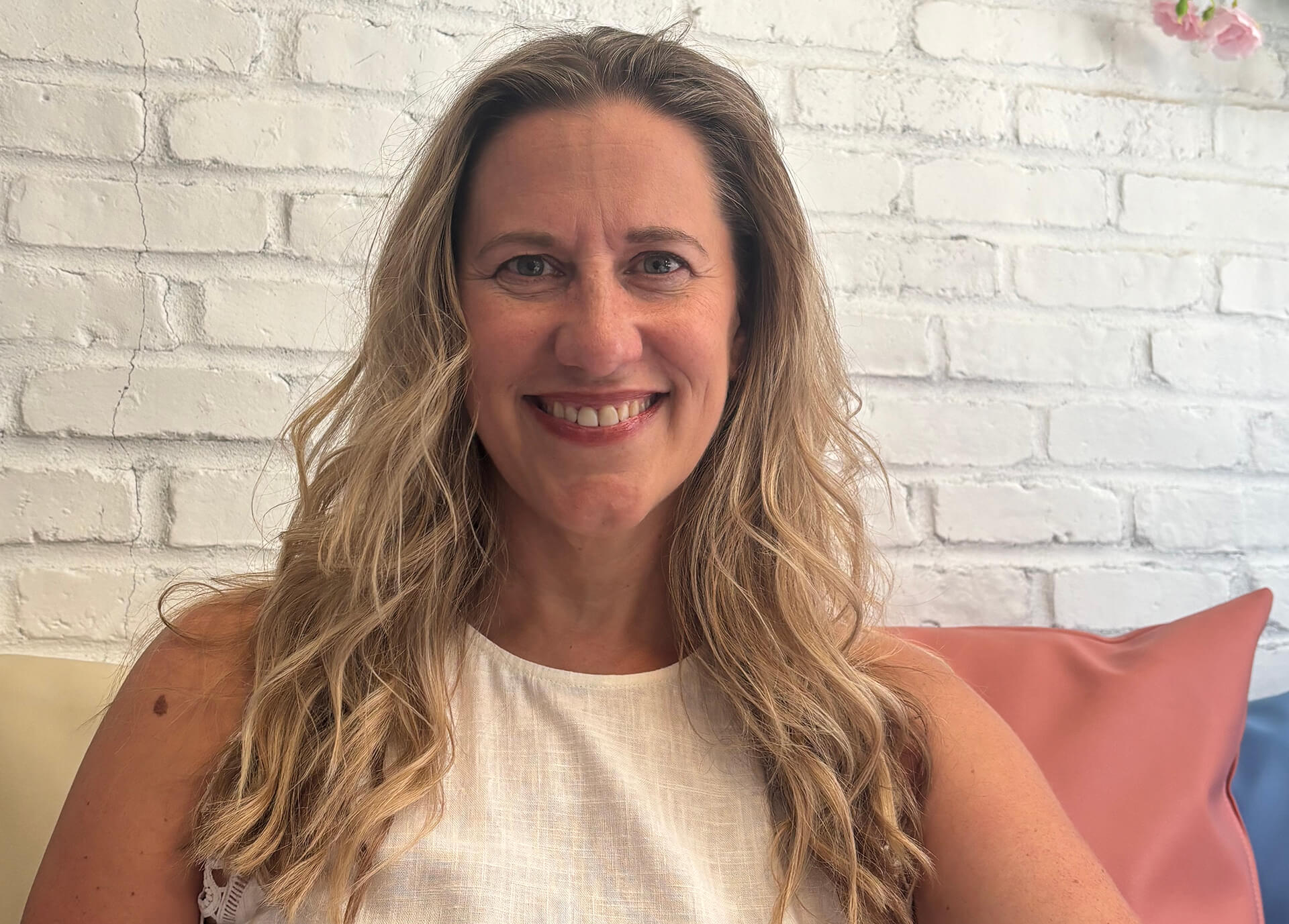
The latest candidate in our series of Q&As with influential women in the technology business is Carrie Hopkins, Senior Director, Business Development and Sales, Canada for Exclusive Networks, a global cybersecurity specialist, product aggregator, and service orchestrator, helping partners and vendors with their channel routes-to-market.
Name: Carrie Hopkins
Job Title & Company: Senior Director, Business Development and Sales, Canada, Exclusive Networks
Years in the Industry: 24 Years
The Quote That Most Inspires You: “Don’t be intimidated by what you don’t know. That can be your greatest strength and ensure that you do things differently from everyone else.” (- Sara Blakely, Founder, Spanx)
What drew you to a career in the consumer and/or business technology industry?
The technology itself wasn’t what first drew me to this industry. I was taken in by the energy I encountered on the sales floor, the comraderie of the teams I became part of, and the relationships I built with partners as I addressed their problems through the solutions we were selling. The technology was changing so fast. There was always something new to learn, and that was constantly exciting.
My dive into cybersecurity only broadened my career. That new expertise increased the value I brought to every conversation, elevating my business relationships from the purely transactional on a daily basis.
Have you encountered any roadblocks along the way that were related to your gender?
All of us hit roadblocks at some point, although we try to gain experience from them. One of my earliest roadblocks was salary related. When I was in my early 30s, I was excited and proud to be offered a promotion. Not wanting to make a fuss or appear ungrateful, I signed onto this new role without negotiation only to learn two years later that I was earning 35% less than my male peers.
With those two years of overachievement under my belt, I went into negotiations for a raise. This time, I was armed with not just the facts about the delta between myself and my counterparts, but also with the confidence that I brought significant value to my position that equalled or surpassed my colleagues. Still, I was told no, there was no budget for it, maybe ask again in six months. That’s when it clicked: those peers who were making more didn’t wait around, they took action and advocated for themselves.
One month later, I was at a different company making 45% more, which was on-par with my peers. I have successfully and fearlessly, even shamelessly, negotiated for myself ever since. There is nothing “unladylike” about making top dollars.
Just over a year later, I ironically found myself working for that same vice president who had turned me down for the raise, but at my new market rate.
What unique characteristics or perspective do you feel you bring to your organization as a woman?
I bring an attention to detail that complements big-vision ideas and helps make them a reality. Typically optimistic and almost always with a smile, I ask clarifying questions that allow the entire team to execute objectives with alignment and consensus. I build relationships. Being supportive, curious, efficient, and action-oriented are all traits I admire in my favourite female colleagues, and I try to model those values myself.
Technology is historically a male-dominated industry, yet the use of tech is fully embraced by women, and many studies even suggest that females are the primary buyers of tech in the home. What do you feel the technology industry needs to attract more women, particularly into high-level positions?
I think there is a misconception about what being “in tech” means. In high school, I assumed being in technology meant becoming a developer, engineer, or data scientist. I want all young women to know that YES, all of those are amazing options, BUT so much more goes into effectively running a tech-oriented business.
Women are valuable participants in all facets of the tech industry, from sales and marketing to distribution, account management, and logistics. Once you’re there, learn everything you can, and always bring value to the conversation. Raise your hand with confidence when opportunity presents itself.
If you had to sum up what it is like being a woman in this male-dominated technology industry in just a few words, what would you say?
Women can do anything we want; no one will stop you but yourself.
Are there women in the tech industry who inspire you?
I have been very fortunate to report directly and indirectly to strong women leaders. Many have been inspirational, but here is one example: 15 years ago, I watched Heather Allen lead a contentious QBR (quarterly business review). Using data, strategy, and firm grace, she commanded an audience that was almost entirely made up of men. I was in awe and wanted to be just like her: confident, smart, authoritative, and kind. I’m thrilled that Heather recently joined Exclusive Networks.
What are some of the misconceptions/myths about women working in the technology space that you’d like to dispel?
I’d like to dispel the notion that women are hired to check a diversity box. That, and we do not know how to make coffee any better than the man standing beside us, so feel free to ask him how to work the machine.
What’s one thing you wish was done differently in the industry, and why?
I wish there was less focus on university degree requirements for roles that employees don’t particularly need a specific degree in order to perform.
Valuable workplace skills can be built in a variety of effective ways. I chose full-time employment over completing college, and while that may have limited upward mobility earlier in my career, it taught me grit, curiosity, and humility. Learning and growth don’t start or stop with four years of university. Learning has to be a lifelong passion.
How do you feel the latest shift to AI will impact the way you do your job and opportunities for women in the industry?
Many of our technology partners are embracing AI to create better user experiences. At my previous company, AI was leveraged to improve data-driven conversations. This empowered the user to ask for datasets in plain language, and to drill deeper into the specifics without analytics training. It allowed for faster, more decisive, fact-based action.
Cybersecurity vendors have been embracing AI for years, utilizing algorithms to enhance the effectiveness of their filters, or to recognize sophisticated AI-driven phishing and viral attacks. Everyone, man or woman, should lean into AI-based advances to realize a competitive advantage.
Are you optimistic for the future in general and for the industry?
Absolutely. The hackers will not stop; bad actors will always be a threat. Technology must continuously evolve to stay ahead, especially in the area of cybersecurity. With so many choices in technology products, there will always be a need for trusted sources that can aggregate solutions and orchestrate services to address the rapid changes in the marketplace. Sellers must evolve to align with buyers; routes-to-market must stay relevant, fast, and secure; and people will most often prefer to buy from people.