
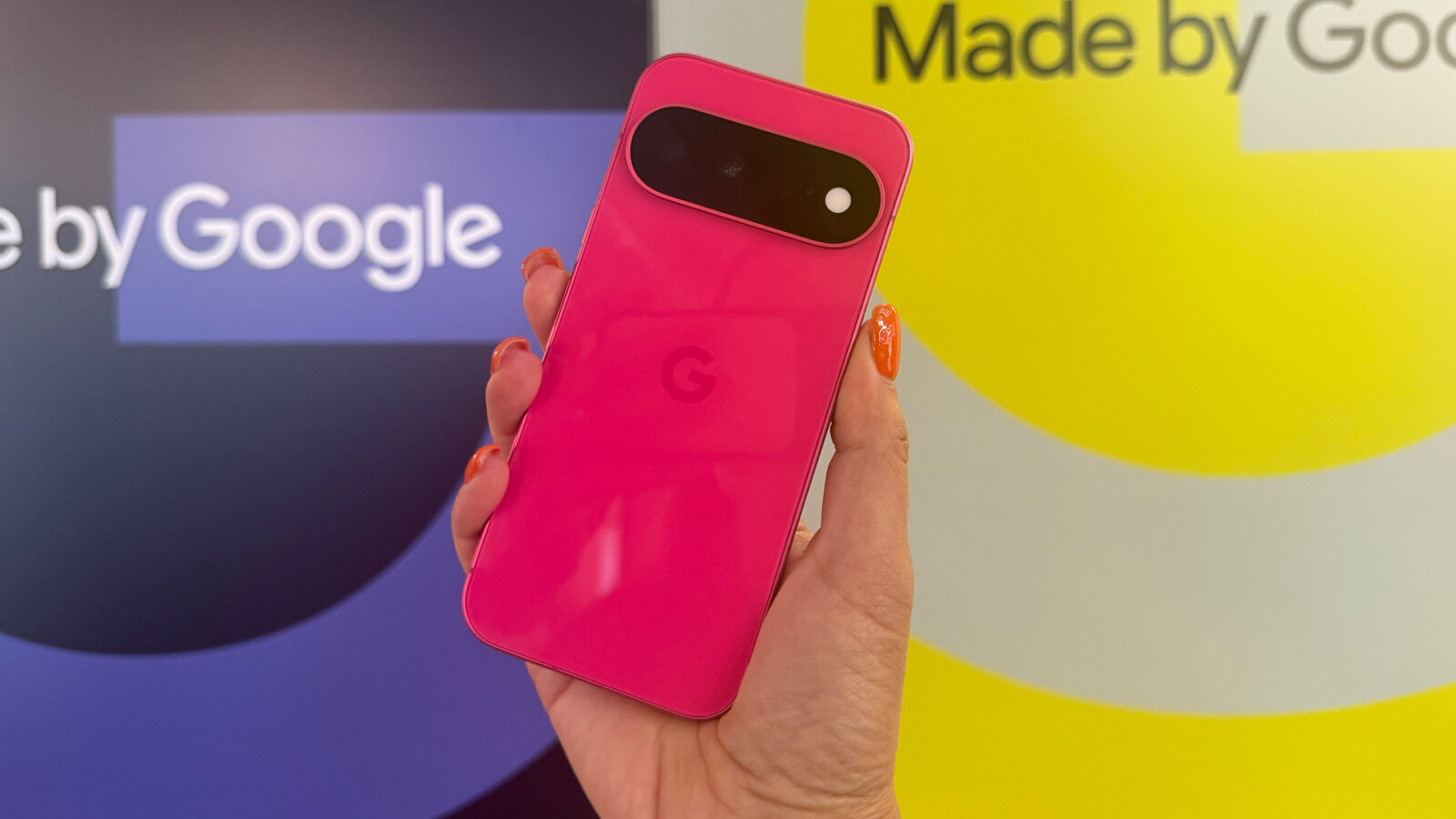
Google’s Pixel 11 series phones are here alongside the next-generation Pixel Watch 5, and the new Pixel Tag, the company’s first item tracker. The phones aren’t massive upgrades in terms of specs, but they do offer a few interesting new features. There’s the HiLight LED light to help reduce distractions, Magic Capture, and improved voice-to-text. Let’s dive deeper.
Pixel 11 Series Phones
There are four new models in the Pixel 11 Series: the Pixel 11, Pixel 11 Pro, Pixel 11 Pro XL, and Pixel 11 Pro Fold.
Pixel 11
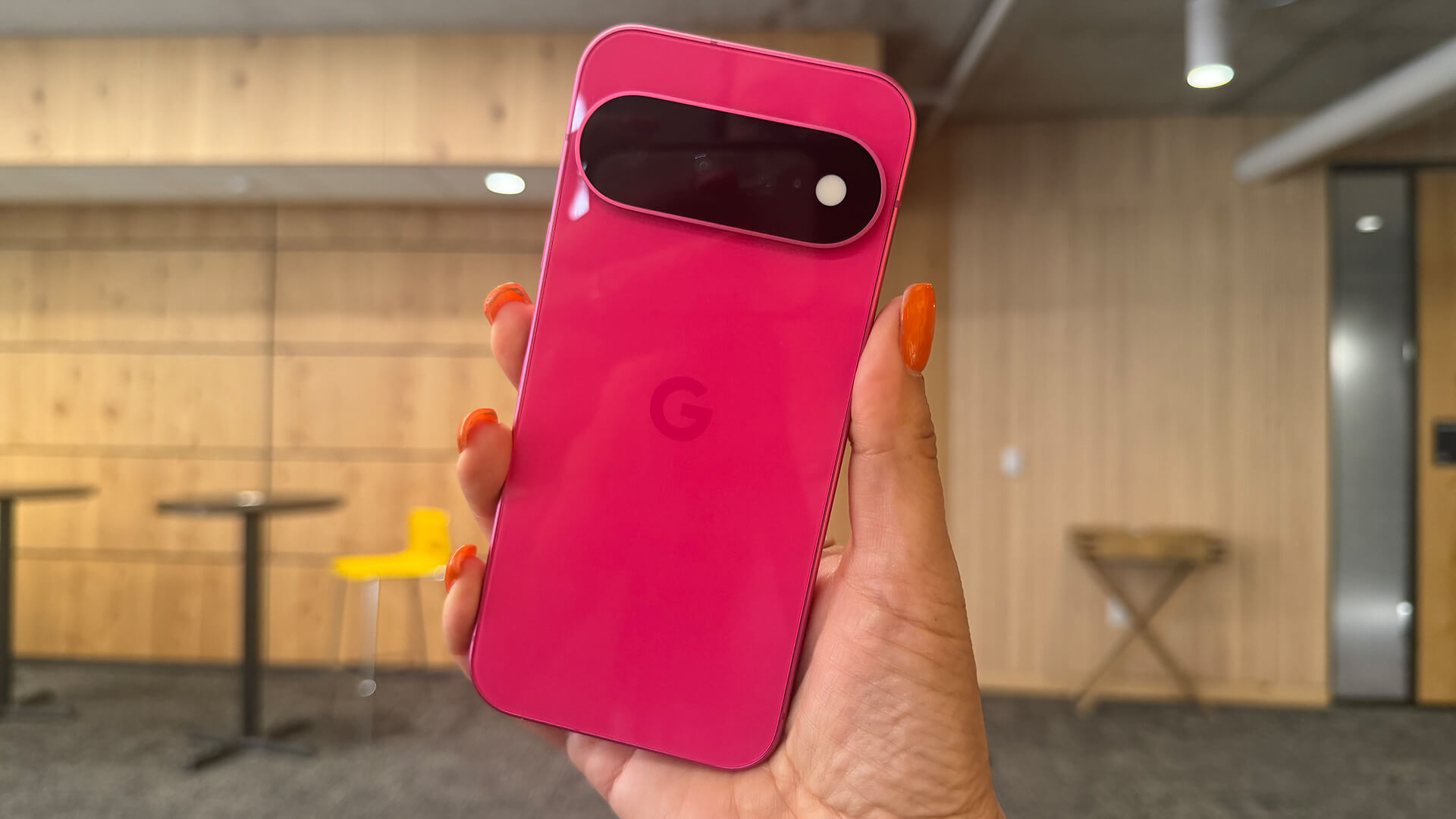
Available in Frost, Pistachio, Hibiscus, and Obsidian with a spacecraft-grade aluminum frame and Corning Gorilla Glass Victus 2, the Pixel 11 has a 6.3-inch 2,424 x 1,080 422ppi OLED screen with 60-120Hz adaptive refresh rate. You get up to 3,000 nits brightness and a 30-hour life from the 4,985mAh battery, an improvement over the Pixel 10. It supports 30W wired charging and now up to 25W Pixelsnap Qi2.2 wireless charging.
Launching with Android 17, the Pixel 11 has 12GB RAM and 256 or 512GB storage, and comes with the Google Tensor G6 processor and Titan M3 security co-processor. You also get Google VPN and multi-layer security. Cameras include a 48MP wide camera with macro focus, 13MP ultra-wide, 10.8MP 5x telephoto lens with Super Zoom up to 30x, and 10.5MP dual PD selfie camera.
It comes with all the usual photo editing and capture features that Google has been incorporating with the latest Pixel devices, like Camera Coach, Add Me, Face Unblur, Auto Best Take, Magic Eraser, and more. A new feature called Magic Capture is basically an enhancement of live photos that intelligently pulls out the best frames from a video or photos to recommend stills worth keeping.
Naturally, it’s also loaded with Google Gemini and all its features like Magic Cue, Circle to Search, Live Translate, Call Assist, and more. All three phones including this one offer new voice-to-text features that help remove extraneous filler words or word fumbles when dictating messages. It captures the most coherent version of what you’re trying to say without all the fluff.
The phone is IP68 dust and water resistant and, as is customary with Pixel devices, you get seven years of OS, security, and Pixel Drop updates. Additional features include dual eSIMs, stereo speakers, three microphones, Spatial Audio, Wi-Fi 6e, and Bluetooth 6.
The Pixel 11 starts at $1,249 for the 256GB version and $1,419 for the 512GB.
Pixel 11 Pro
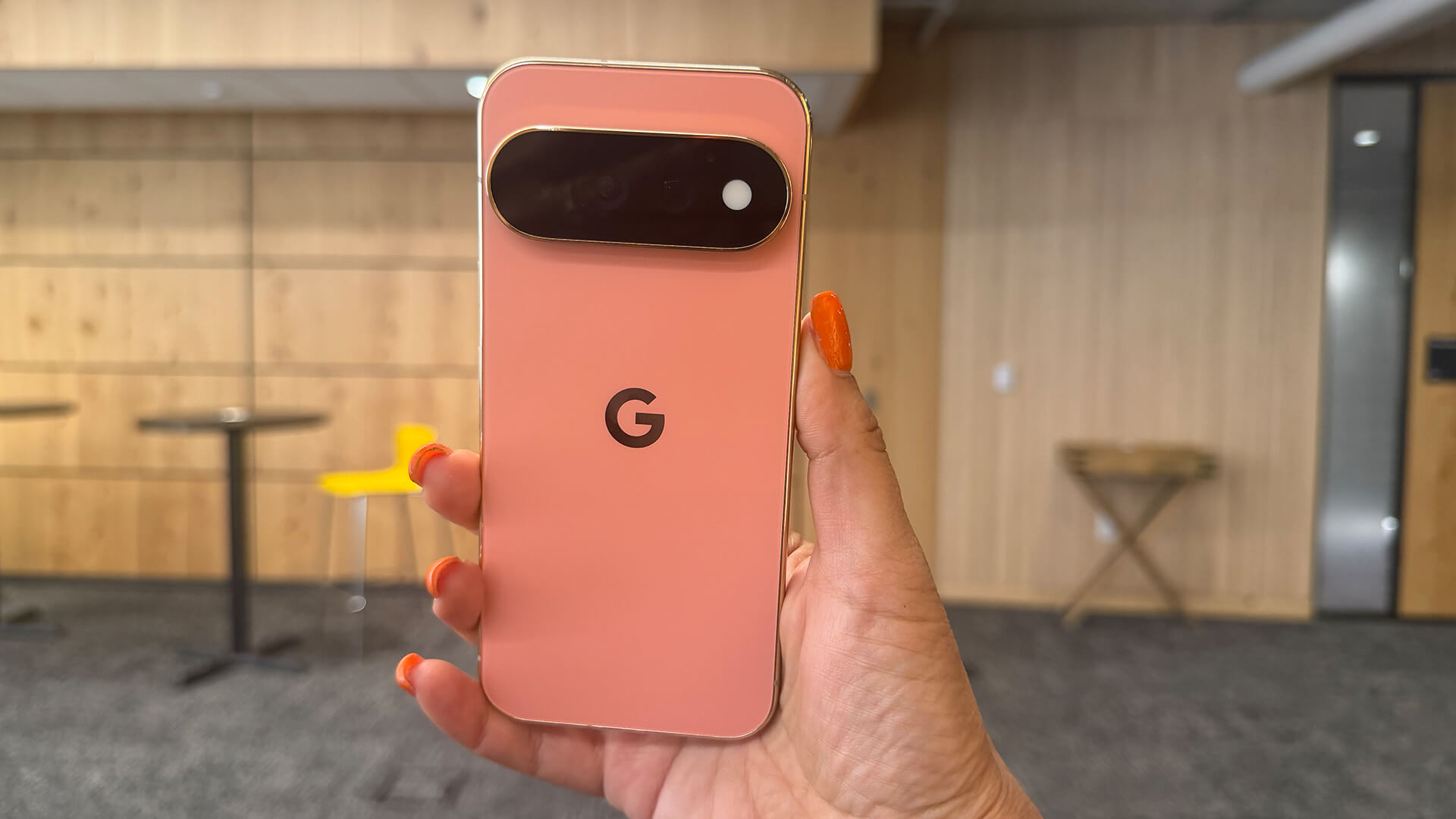
Available in Canyon, Olive, Fog, and Obsidian, the Pixel 11 Pro has the same sized screen but it’s a higher-resolution 2,856 x 1,280 Super AMOLED display with adaptive refresh rate from 1-120Hz and up to 3,600 nits brightness, making it slightly brighter than its predecessor. It adds an anti-scratch shield to the Gorilla Glass as well along with HDR support.
Identical in dimensions to the Pixel 11 but slightly heavier, it has a smaller 4,850mAh battery than even the Pixel 10 Pro, but presumably runs more efficiently since the rated battery life is the same, as are the wired and wireless charging speeds. The Pixel 10 Pro, it should be noted, could only support up to 15W wireless charging (the Pixel 10 Pro XL up to 25W).
There’s 12GB RAM as well plus the option for 16GB RAM with the larger 1TB option. This is an odd decision since the Pixel 10 Pro and 10 Pro XL came with 16GB RAM for every storage variant. With the same processor as the Pixel 11, cameras are slightly improved with a 50MP wide, 48MP ultra-wide, 48MP 5x telephoto lens with Pro Zoom up to 120x, and 42MP dual PD selfie camera. You can also record up to 8K video while the Pixel 11 only supports up to 4K video.
Google says the new 1/1.3-inch sensor of the 50MP main wide camera brings out more detail from 1-3x zoom while the larger telephoto sensor pulls in 32% more light than the Pixel 10 Pro. You also get the longest zoom yet in a Pixel phone along with instant Night Sight for quickly capturing low-light moments.
The notable addition in the Pro series is called HiLight, ambient LED lights built around the camera’ flash. You can set it to illuminate when your phone is face down only when there’s an incoming call or message from an important contact. This can help eliminate distractions, allowing you to ignore the unimportant constant steam of updates and only grab your phone and flip it over when it’s someone important trying to get in touch. This feature is integrated with both Phone by Google and WhatsApp, and you can set custom colours for different contacts. It also pulses to let you know that Gemini is listening when you say the wake word, so you can still interact with the AI and receive audible responses, even with the phone face down.
Get the Pixel 11 for $1,499 (256GB), $1,669 (512GB), and $1,969 (1TB). It comes with a six-month trial to Google AI Pro, which also includes 5TB cloud storage and Google Health Premium.
Pixel 11 Pro XL
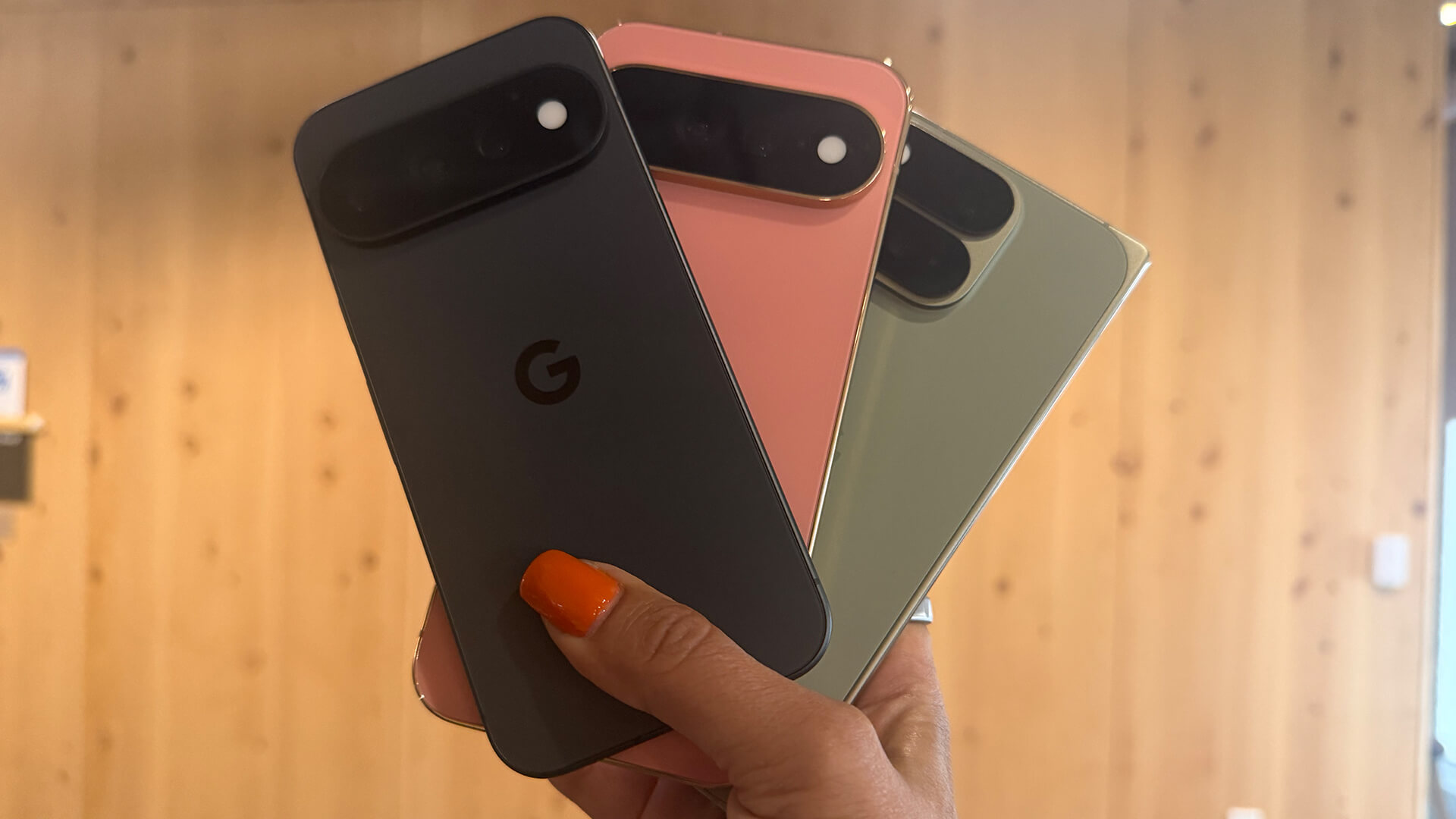
The largest option in the line has a 6.8-inch 2,992 x 1,344 Super Actua LTPO OLED 486ppi 1-120Hz screen with the same anti-scratch shield and up to 3,600 nits brightness, brighter than the Pixel 10 Pro XL. While it has a larger 5,115mAh battery than the Pixel 11 Pro, it’s oddly smaller than the 5,200mAh battery in the Pixel 10 Pro XL. It’s rated to last the same as the others, however, and can charge faster using a 45W wired and the same 25W via Pixelsnap wireless.
It has the same storage and RAM options as the Pixel 11 Pro, same processor, and same cameras. It’s basically a larger option for those who want a bigger screen.
Get the 256GB Pixel 11 Pro XL for $1,799, the 512GB for $1,969, and the 1TB for $2,269. It comes with the same Google AI Pro trial as the Pixel 11 Pro.
Pixel 11 Pro Fold

The latest foldable in the Pixel line-up has the same Tensor G6 chip alongside 16GB RAM. Its battery can last for up to 24 hours per charge and recharge to 50% in half an hour via wired as well as charge wirelessly at 15W via Pixelsnap, identical specs to the Pixel 10 Pro Fold.
The phone is about a millimetre thinner than the Pixel 10 Pro Fold, though, and close to 10% lighter yet also three times stronger. It has a composite back with scratch-resistant glass and comes with a durable hinge and IP68 dust and water resistance. The dual-pill camera design helps reduces bulk, says Google, so the phone can fold flat.

The screens are 20% brighter both inside and out, the outer screen a Super Actua display for the first time in a Pixel foldable. There’s an 8-inch Super Actua Flex display on the inside and a 48MP main lens along with a telephoto lens with 30x Super Zoom, an upgrade from the 20x zoom in the Pixel 10 Pro Fold. You get features you’d expect from a Pro Fold, including Made You Look, dual-screen preview, and rear camera selfie. There’s also split-screen mode for multitasking, floating bubbles, and more.
The Pixel 11 Pro Fold comes in Olive with a grey satin metal finish and classic Obsidian with a silky matte finish. It sells for $2,499 (256GB), $2,669 (512GB), and $2,969 (1TB).
Pixel Watch 5

The latest generation Pixel Watch comes in 41mm and 45mm sizes, both in Matte Black/Obsidian, Polished Silver/Fog, and Satin Pyrite/Olive, while the 41mm option also comes in Champagne Gold/Canyon.
Equipped with an Actua 360 320ppi AMOLED LTPO always-on display with Custom 3D Corning Gorilla Glass 5 and up to 3,000 nits brightness, the Pixel Watch 4 follow-up comes with Wi-Fi, Bluetooth 6.0, and a 4G LTE option. There’s also Ultra-Wideband, NFC, and Satellite SOS, which is free for the first two years. Alongside the touch screen, which you can customize with a wealth of new watch faces, it also has a side button and haptic crown.
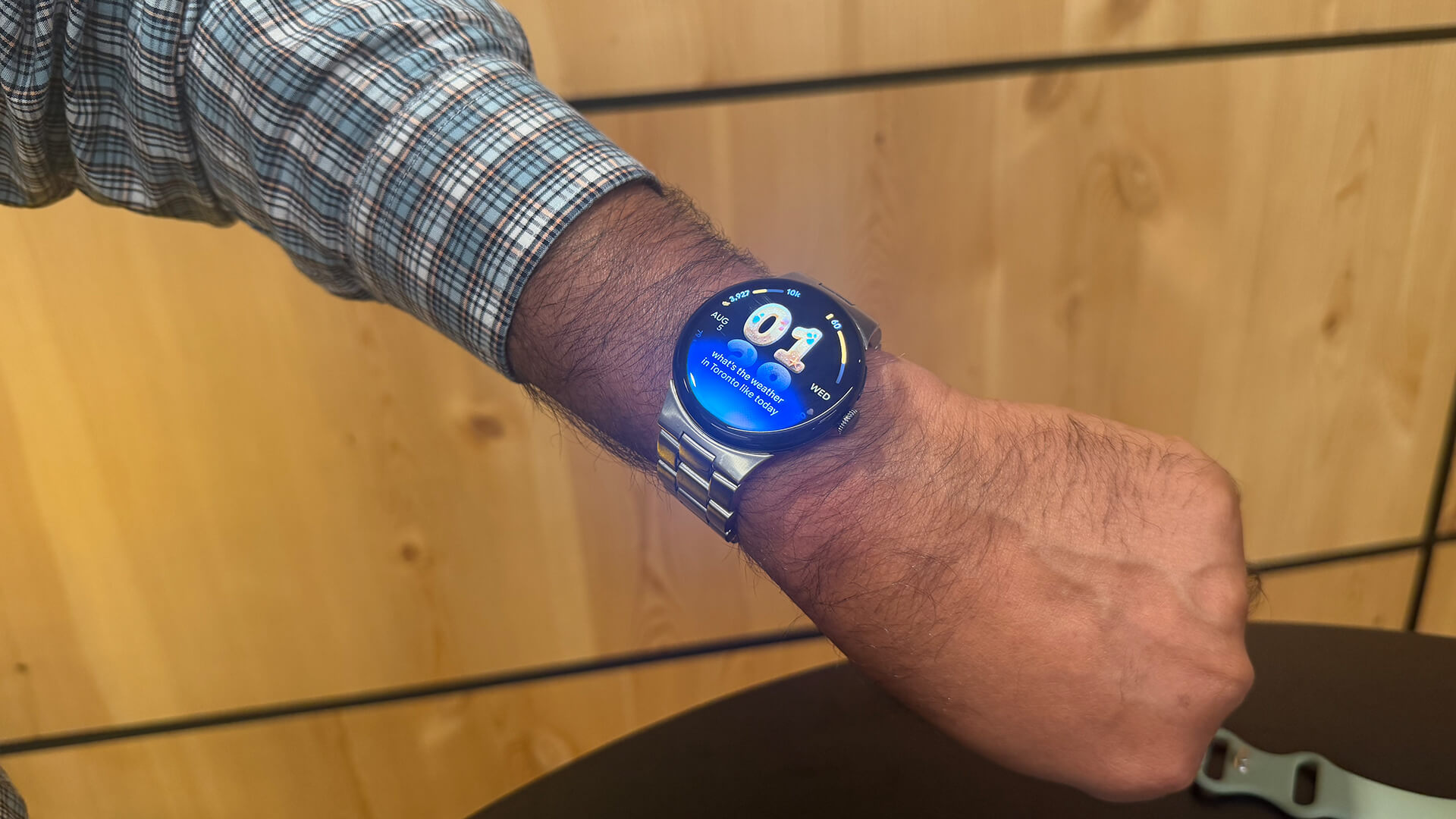
With dual-frequency GPS, the 45mm size has a 465mAh battery that can last for up to 40 hours per charge with the always-on display or up to 72 hours in battery saver mode. Using the included quick charge dock, you can get back up to 100% in an hour, 80% in half an hour, and 50% in 15 minutes. The 41mm comes with a smaller 332mAh battery that can last for up to 30 hours with the always-on display or up to 48 hours in battery saver mode.
Equipped with a Snapdragon W5 Gen 2 processor and Wear OS 7.0, you get 64GB flash memory and all the sensors you’d expect. It also works with touchless one-handed gestures and is 5ATM and IP68 rated. Naturally, the smartwatch works with a Google account and the new Google Health app with the option for Google Health Premium.
The Pixel 5 Watch 41mm is $550 for the Wi-Fi-only option or $680 for the LTE while the 45mm is $590 and $720, respectively.
Pixel Buds
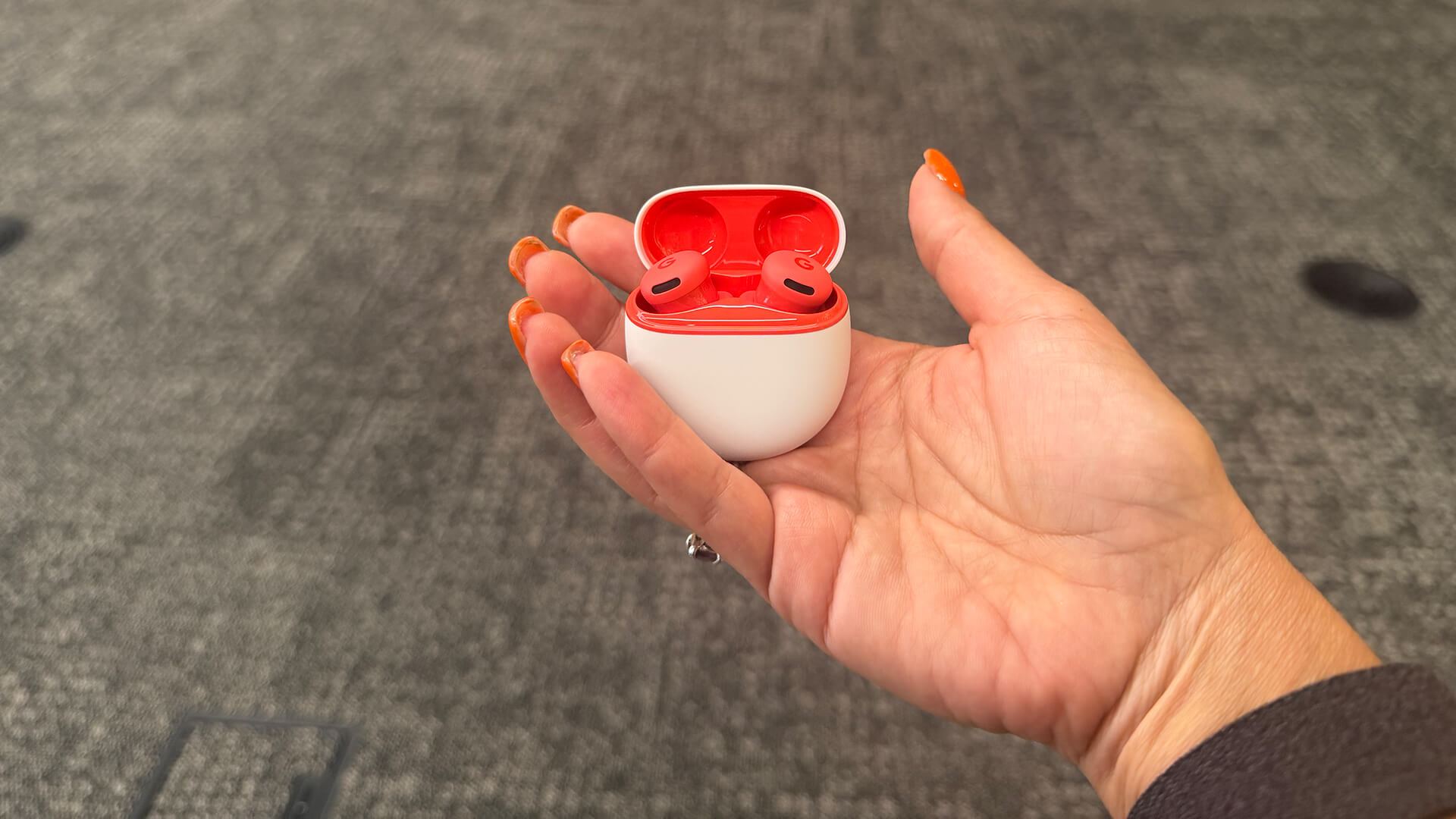
The Pixel Buds 2a and Buds Pro 2 will now be available in a new Olive colour for those looking for something different, and to match new colours of the phones.
The Pixel Buds 2a sell for $179 and the Pixel Buds Pro 2 for $299.
Pixel Tag
Google is finally joining the item tracker space alongside other brands like Apple AirTag, Tile by Life 360, Chipolo, and Samsung with the Pixel Tag. The tiny item tracker is made of polycarbonate and metal and is IP67 rated for durability against both dust and water splashes, even temporary submersion.
It connects via Bluetooth and Ultra-Wideband for precision finding. The tag also has a built-in speaker for sounding a tone if you’re trying to find it nearby. Powered by a replaceable CR2032 coin-cell battery that lasts up to a year, Pixel Tag works with Android phones running Android 9 or later.
The Pixel Tag will sell for $40 each and will be available later this year.