
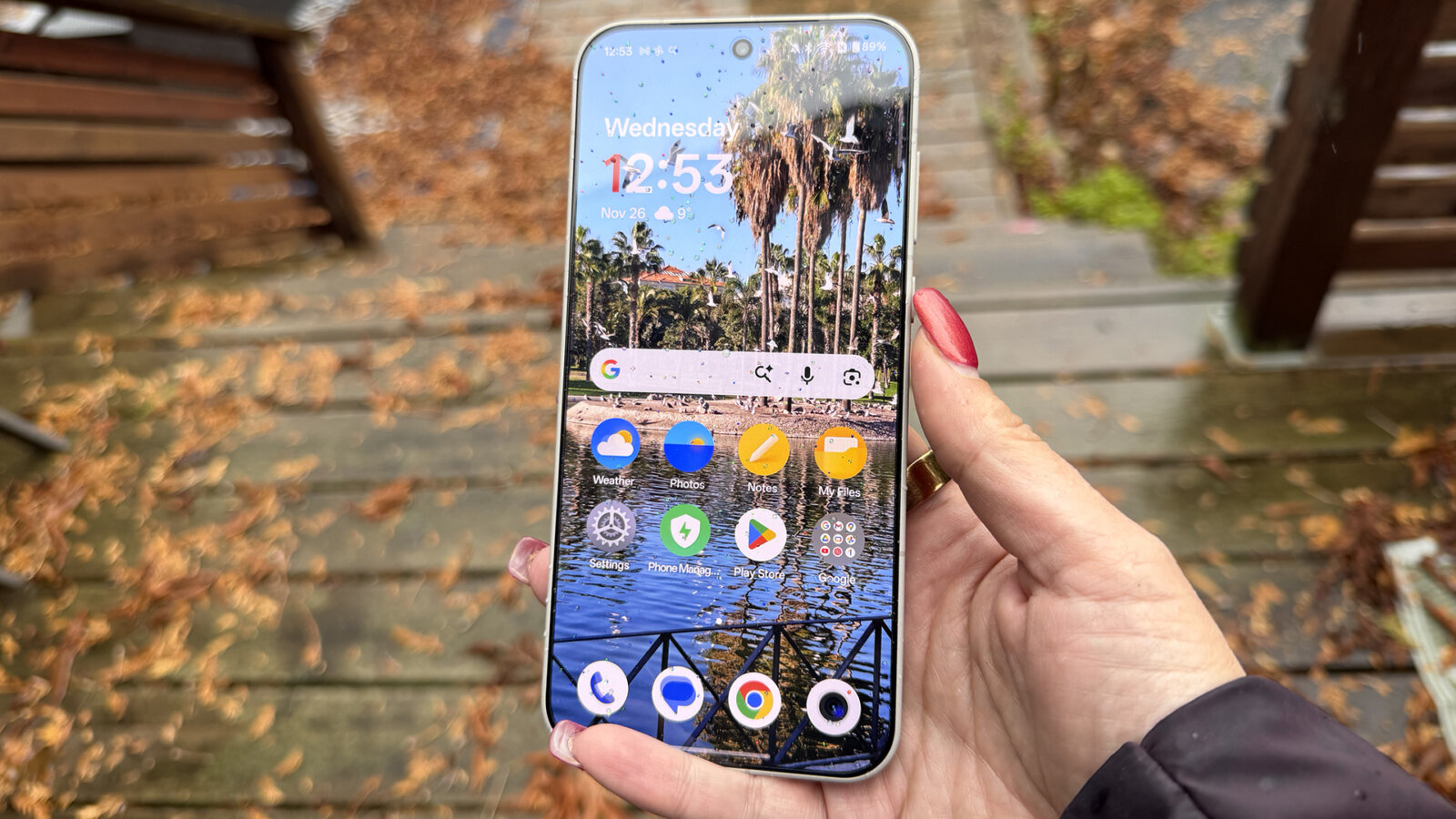
The rumours have finally been confirmed: OnePlus is winding down operations in North America and Europe. The company confirmed the news in a community thread post, noting that OnePlus will no longer offer new products in these two regions. OnePlus India will continue to operate as usual.
The decision was made as part of a “proactive global strategy adjustment,” writes the company, noting that existing OnePlus devices will continue to receive scheduled software updates and security patches within their initially specified support periods. You will be able to update existing eligible devices to the new ColorOS 17. Customer service channels will also remain open and responsive to fulfill warranty and support needs. All warranties will continue to be honoured as well. You should also still be able to access repair and after-sales service channels.
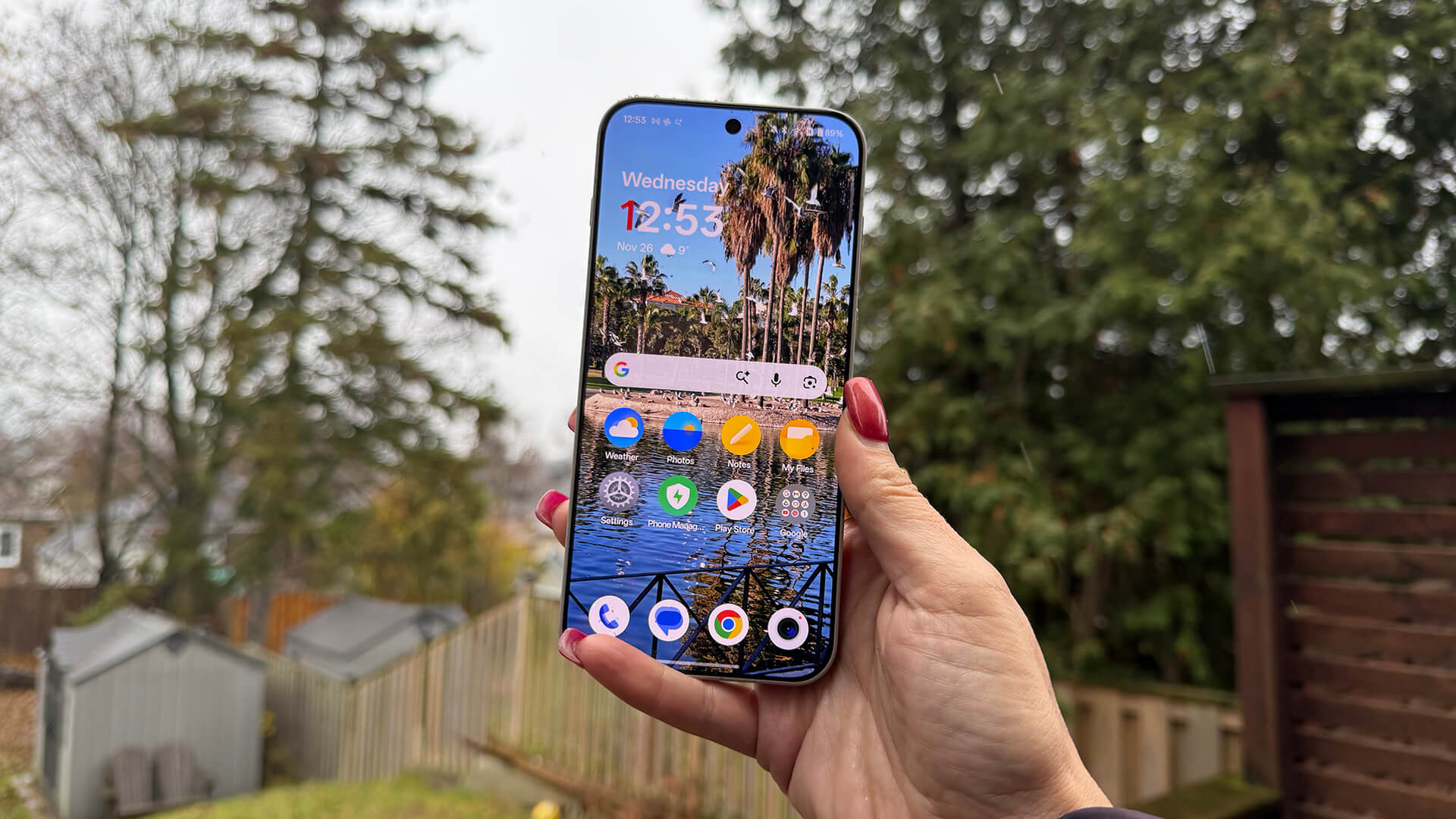
OnePlus, owned by Shenzhen-based Oppo, was founded in 2013, at which point the company developed its first flagship phone, the OnePlus One. The company continued to launch devices consistently, impressing of late with its OnePlus 12, which offered enhanced IP69 durability before other brands were doing so in such a big way. Then came the OnePlus 13 and, more recently, the OnePlus 15 (there was no 14).
As a primary iPhone user who also reviews Android phones, I have considered OnePlus a top brand in that space, one of the only options that could actually convince me to convert. The phones run smoothly, they’re incredibly durable, look sleek, and come with useful features and a solid OS. It’s a shame that we’ll be losing the brand in the market.

OnePlus isn’t just about phones, though. The company also makes decent wireless earbuds like the OnePlus Buds 3, tablets like the OnePlus Pad 3 that has absolutely insane battery life, and smartwatches like the most recent OnePlus Watch 3 and the previous generation OnePlus Watch 2, both of which also boast incredible battery life. In fact, battery life is at the heart of what makes OnePlus products stand out. If only other brands could figure out that same secret sauce, we might miss the brand a little less.
It’s unfortunate to see OnePlus leave the market, but not surprising given the competitive nature of the mobile landscape and the dominance of Samsung and Apple in North America. Consumers leave little room for considering other devices outside of these two brands, while carriers tend to focus promotions mainly on them as well. Even with more attractive pricing, OnePlus and other brands have a tough time breaking through to consumers.

It’s ironic that in a market like Canada where we fight back against a lack of choice in the carrier space that we don’t necessarily do the same in the device space. OnePlus phones were absolutely worth using. Having reviewed many of them, they are solid competitors to the dominant brands with compelling features, responsive OSs, fantastic cameras, and incredible battery life. The brand’s exit is a wake-up call, especially with the memory crisis and rising costs for mobile devices, that there’s still a lot of work to be done in the mobile space to ensure that other brands are able to get a slice of the massive pie.